Proposed New Jersey Bill Would Limit Police Face Coverings During Public Interactions
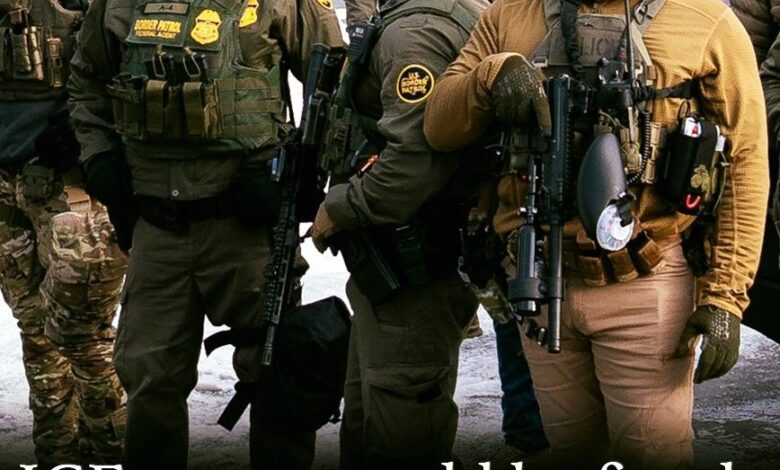
A new bill introduced in New Jersey could significantly change how law enforcement officers present themselves during interactions with the public.
Senate Bill 3112, along with companion legislation in the Assembly, proposes restricting police officers from wearing masks or other face coverings while performing official duties in public settings — with specific exceptions built into the measure.
The proposal has sparked debate across the state, raising questions about transparency, officer safety, and public trust.
What the Bill Would Require
If enacted, the legislation would prohibit police officers and other law enforcement personnel from wearing masks or disguises that obscure their faces while interacting with members of the public.
The measure aims to ensure that officers are visually identifiable during stops, arrests, and other official encounters.
However, the bill includes several notable exceptions.
Officers would still be permitted to wear face coverings during undercover assignments or tactical operations where concealment is necessary.
Medical-grade masks, respirators for health concerns, and protective equipment for environmental hazards such as smoke or extreme weather would also remain allowed.
Identification Rules
In addition to mask restrictions, the proposal includes requirements for officer identification.
Before detaining or arresting an individual, officers would generally be required to clearly present identifying information. This could include a badge, department insignia, agency name, or identification card.
The goal, according to sponsors, is to reduce confusion during enforcement actions and strengthen accountability.
Exceptions would apply in cases where officer safety or ongoing investigations might be compromised by immediate identification.
Why Lawmakers Introduced the Measure
Supporters of the bill argue that visible identification promotes transparency and reinforces trust between law enforcement and the communities they serve.
They contend that during public encounters, especially high-stress situations, clearly identifiable officers reduce fear and uncertainty.
Some lawmakers have pointed to incidents in other jurisdictions where individuals wearing law enforcement-style gear were not immediately recognizable to the public.
Backers say the measure would provide clarity without limiting necessary tactical operations.
Concerns Raised by Opponents
Critics of the proposal argue that flexibility is critical for officer safety.
Some law enforcement groups have expressed concern that restricting face coverings too broadly could create vulnerabilities in volatile situations.
Others worry about implementation details, such as determining when concealment is justified versus when it is not.
The debate highlights the challenge of balancing transparency with operational security.
Current Status of the Legislation
As of now, the bill remains in committee and has not yet been passed into law.
If approved, it would mark a notable shift in policy governing officer appearance during public interactions in New Jersey.
Public hearings and further debate are expected before any final vote takes place.
A Broader National Conversation
The proposal reflects a broader national discussion about police visibility, accountability, and community confidence.
Across the country, policymakers are examining how presentation, communication, and identification procedures affect public perception of law enforcement.
Whether the New Jersey bill advances or stalls, it underscores an ongoing effort to redefine standards for transparency in policing.