The Gross Food Deception Supermarkets Are Secretly Using To Sell You Fake Premium Meat Packages
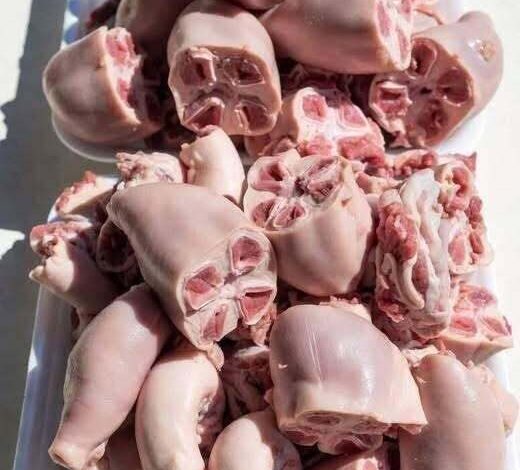
A alarming wave of panic is currently sweeping through grocery store aisles as viral rumors aggressively allege that major national supermarkets are actively deceiving everyday shoppers by selling meat that fundamentally does not match its advertised high quality. These highly controversial claims detail a shocking scenario involving the undisclosed, intentional mixing of cheap, lower-grade imported products directly into premium-labeled steak and poultry packages, forcing consumers to pay top dollar for an inferior product. However, public safety experts are quickly pointing out that these terrifying accusations are currently being presented in a highly generalized, sensationalized manner across online platforms, and to date, absolutely no specific investigation, official regulator report, or verified criminal case has been identified to support the widespread panic.
In the complex framework of real world modern food supply chains, major grocery retail chains typically rely on multiple independent layers of suppliers, including massive regional distributors, independent agricultural processors, and global shipping networks. It is an undeniable reality that minor issues regarding product mislabeling, accidental misidentification, or intentional food substitution can occasionally occur within the vast global food industry. However, when these systemic vulnerabilities do happen, they are universally investigated, analyzed, and publicly confirmed by strict federal food safety authorities such as the United States Food and Drug Administration or the United States Department of Agriculture long before they are ever stated as definitive facts to the general public.
The current viral article’s dramatic framing strongly suggests an orchestrated, malicious intention to defraud the public across several unnamed distributors, yet it repeatedly fails to provide a single shred of verifiable evidence, specific case names, official corporate identifiers, or official regulatory findings. This complete lack of substantiation places the entire narrative closer to a speculative, clickbait, or alarm-style urban legend rather than a confirmed consumer protection report. While the fear of purchasing fraudulent meat is highly palpable among modern shoppers, maintaining a clear distinction between online internet speculation and verified consumer warnings remains absolutely essential for preventing unnecessary public hysteria.
It is undoubtedly true that accurate food labeling and complete supply chain transparency are very real, ongoing concerns within the modern global food industry. Because of these persistent vulnerabilities, the vast majority of developed nations strictly require advanced, comprehensive traceability systems to be maintained by law, ensuring that any individual cut of meat can be successfully tracked all the way back to its original agricultural source. When violations of these strict transparency laws actually occur, the infractions are typically handled swiftly and aggressively through massive mandatory corporate product recalls, severe financial penalities, or direct law enforcement actions, rather than remaining as a broad, undisclosed practice going entirely unnoticed by global inspectors.
Furthermore, many of the common consumer complaints highlighted in the viral panic, such as sudden differences in meat texture, unusual raw smells, or slight variations in overall visual quality, are actually incredibly common everyday household experiences that can easily arise from completely normal, non-fraudulent environmental factors. Variations in the cellular structure of beef or poultry frequently stem from routine storage conditions, minor temperature fluctuations during transit, natural batch-to-batch livestock variation, or standard localized processing and butchering methods, rather than indicating an underlying instance of corporate fraud or malicious meat substitution.
Without definitive, confirmed evidence sourced directly from trusted federal regulators, official government agricultural inspections, or properly documented corporate recall notices, the frightening allegations currently circulating regarding supermarket meat counters must be treated strictly as unverified claims rather than established factual realities. Consumers are strongly encouraged to practice healthy skepticism online and continue purchasing their everyday groceries with confidence, relying on verified public health bulletins rather than generalized social media warnings to dictate their family’s dietary choices.