The Terrifying Many-Legged Creature Lurking in Your Home Is Actually Saving Your Life – You Must Stop Killing Them Immediately
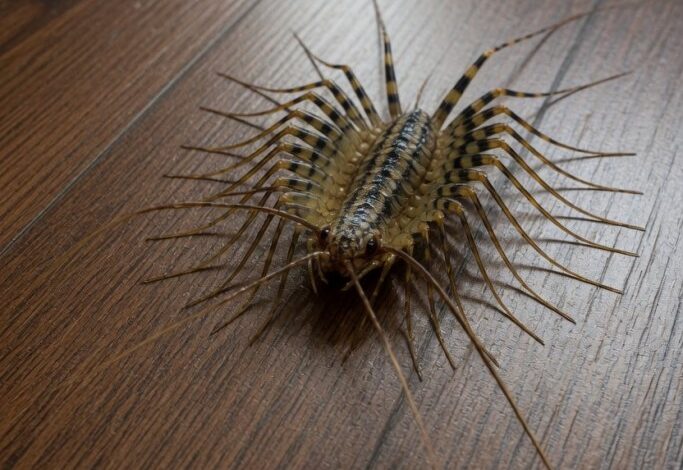
You walk into the bathroom at night, flip on the light, and there it is — a fast-moving, nightmare-inducing creature with dozens of long, waving legs darting across the floor. Your first instinct is to grab a shoe and end it. That many-legged horror has been the cause of countless screams and crushed bodies in homes around the world. But what if I told you that killing this creature might actually be making your home less safe? The truth about these misunderstood household residents could change how you view every dark corner of your house forever.
Meet the house centipede. Despite its alarming appearance and lightning-fast speed, this creature is one of the most beneficial insects you could possibly have living with you. Unlike the pests it hunts, the house centipede doesn’t want to harm you or infest your food. It’s a silent guardian that works the night shift, patrolling your walls and floors for the real threats hiding in your home.
House centipedes are voracious predators with an impressive menu. They feast on cockroaches, spiders, bed bugs, silverfish, ants, and even termites. A single centipede can consume dozens of pests every single week. While you sleep, they’re actively reducing the population of insects that actually do damage — the ones that bite, spread bacteria, or destroy your property. By eliminating them, you’re removing nature’s free pest control service and potentially inviting more dangerous invaders into your space.
The fear comes from their looks. With up to 15 pairs of long legs and antennae that make them appear much larger than they are, house centipedes trigger our primal “creepy crawly” instincts. They move with unnatural speed and seem to come out of nowhere. But they are completely harmless to humans. They don’t carry diseases, they don’t bite unless seriously provoked (and even then it’s mild), and they don’t nest in large groups like cockroaches or ants. They’re solitary hunters who only come indoors when the weather outside is too dry or too cold.
Many people make the mistake of reaching for insecticides the moment they spot one. Unfortunately, those chemicals often do more harm than good. They kill the centipedes along with the beneficial insects in your home, which can actually cause pest populations to explode since their natural predators are gone. It’s a classic case of disrupting the ecosystem right in your own walls. Instead of solving a problem, you might be creating a bigger one.
If you want to reduce centipede sightings without harming them, focus on removing what attracts them in the first place. Fix moisture issues — leaky pipes, poor ventilation in bathrooms, and damp basements are their favorite environments. Seal cracks around windows and doors, reduce clutter where small insects hide, and consider using natural deterrents like diatomaceous earth in problem areas. These methods encourage centipedes to move along while addressing the root causes of your household pest problems.
There’s something fascinating about these creatures when you look past the initial shock. House centipedes can live up to seven years, which is remarkable for an insect. They have evolved to be incredibly efficient hunters, using their long legs to sense vibrations and their venom (mild to humans) to quickly subdue prey. Watching one hunt a spider is like seeing a tiny, many-legged ninja in action. Far from being monsters, they’re sophisticated little exterminators doing exactly what nature designed them to do.
The next time you see one scurrying across your floor, try taking a breath before reaching for the shoe. That “terrifying” creature is likely cleaning up pests you never even knew were there. By coexisting with them instead of waging war, you’re choosing a smarter, more natural approach to home maintenance. Many homeowners who have stopped killing centipedes report fewer issues with spiders and other creepy crawlies overall.
Our homes are ecosystems too, and every creature in them plays a role. The house centipede might not be cute or cuddly, but it’s an unsung hero working quietly in the background to keep your living space safer and cleaner. The real monsters are often the pests it hunts — the ones that bite, spread germs, or multiply out of control.
So the next time you spot those many legs disappearing under the baseboard, remember this: you’ve got a tiny guardian on duty. Let it do its job. Your home — and your peace of mind — will be better for it. Stop killing the creatures that are actually on your side. In the battle against household pests, the house centipede might just be your best ally.