President Trump Reports Over 600,000 Deportations — Debate Grows Nationwide
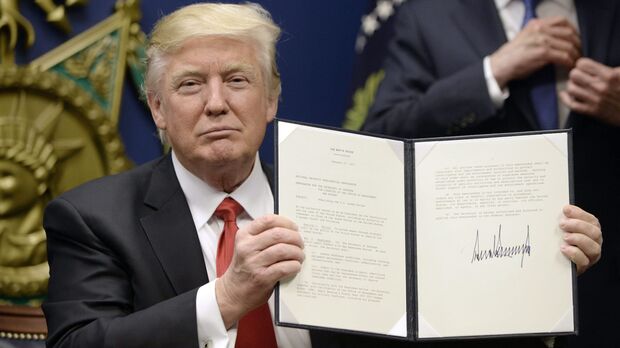
The issue of immigration enforcement has once again taken center stage after reports indicated that more than 600,000 undocumented immigrants have been deported under President Donald Trump’s administration. The figure, cited by federal officials, has reignited debate across the country about border policy, public safety, and humanitarian concerns.
Supporters of the administration describe the deportations as part of a broader effort to strengthen national security and enforce immigration laws. They argue that consistent enforcement is necessary to deter unlawful entry and maintain order at the border.
Critics, however, question both the scope and impact of the deportations. Advocacy groups warn that large-scale removals can disrupt families, separate parents from children, and strain communities with deep immigrant ties.
The reported figure reflects cumulative enforcement actions carried out by federal immigration authorities. These actions include removals following border apprehensions, overstayed visas, and individuals with prior removal orders.
Immigration has remained one of the most politically charged issues in American public life. For years, policymakers have debated how to balance border security with pathways for legal migration and asylum protections.
Administration officials maintain that enforcement efforts prioritize individuals with criminal records or outstanding legal violations. They say the goal is to focus resources where public safety concerns are most urgent.
At the same time, immigration attorneys and advocacy organizations argue that not all deportations involve individuals with serious criminal backgrounds. They call for transparency in how cases are prioritized and processed.
Data released by federal agencies indicates that enforcement numbers fluctuate depending on border crossings, funding levels, and policy directives. Analysts note that immigration trends often shift due to economic conditions and global instability.
The political reaction has been divided along party lines. Many lawmakers aligned with the administration support stricter enforcement measures and call for additional funding to secure the border.
Opposing lawmakers argue that long-term immigration reform requires bipartisan solutions rather than enforcement alone. Proposals for comprehensive reform have stalled in Congress for years.
Public opinion surveys show that Americans hold a wide range of views on immigration. While many support stronger border controls, others emphasize humanitarian protections and pathways to legal status.
Local communities have also felt the impact. Some cities report improved coordination with federal agencies, while others resist participation in enforcement efforts, citing community trust concerns.
Economic experts say deportations can influence labor markets, particularly in industries that rely heavily on immigrant workers such as agriculture, construction, and hospitality.
Human rights organizations continue to call for oversight, transparency, and protections for vulnerable populations, including asylum seekers and families.
Meanwhile, federal officials emphasize that enforcement policies are carried out under existing immigration law and judicial review processes.
The broader immigration conversation extends beyond numbers. It touches on national identity, economic opportunity, and America’s role as a destination for migrants worldwide.
As the debate continues, both supporters and critics agree that immigration will remain a defining issue in upcoming political discussions.
The reported deportation figure has become a flashpoint, fueling conversations about policy effectiveness and long-term solutions.
Whether viewed as necessary enforcement or controversial policy, the numbers underscore the scale and complexity of the immigration system.
For now, the discussion shows no sign of slowing down, as leaders across the political spectrum continue to debate the future of U.S. immigration policy.