TOTAL DESTRUCTION AS SPEEDING BUS FLIPS AND ENDS NINETEEN LIVES IN SECONDS
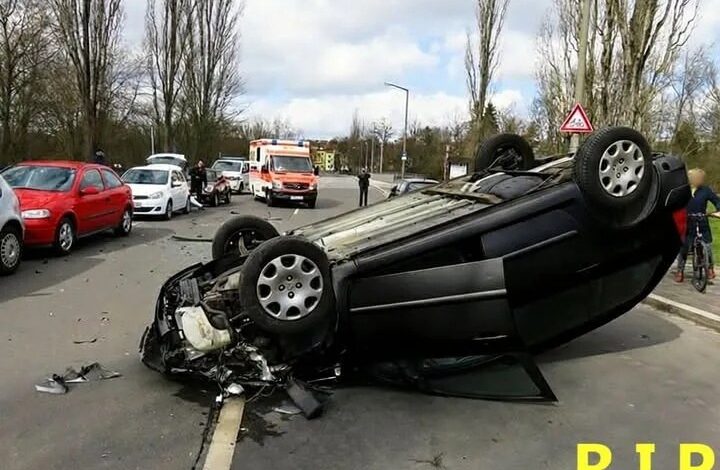
It was supposed to be an unremarkable ride home through the city, but in a horrific heartbeat, everything changed forever. A packed double-decker bus, filled with commuters expecting to reach their front doors by dinner, suddenly transformed into a tomb of twisted steel and shattered glass. As the vehicle barreled down a quiet stretch of road, it violently flipped onto its side, tearing through the evening air with a sound that survivors will never be able to forget. Nineteen precious lives were stolen in the blink of an eye, leaving a community reeling from a nightmare that defied all human reason.
The chaos unfolded on what had been a completely ordinary day in Tai Po. The double-decker bus, a familiar sight for the thousands of locals who rely on public transportation for their daily routines, was navigating a downhill stretch when the unimaginable occurred. Witnesses would later describe the moment as surreal; one second, the bus was moving with the steady, predictable rhythm of city transit, and the next, it was lurching out of control. The force of the impact was so brutal that it seemed to defy the physics of the road, sending the heavy vehicle crashing onto its side with a deafening screech of metal grinding against asphalt.
Tragically, the design of the bus became a significant factor in the severity of the casualties. The upper deck, which usually offers a scenic view of the city for commuters, became a death trap during the rollover. The majority of the nineteen victims were sitting in those top-level seats when the bus overturned, bearing the full brunt of the collision as the structure disintegrated against the unforgiving road surface. For many of those who were trapped, there was no time to react, no opportunity to brace for the violence, and no chance to escape the crushing weight of the overturned steel cage.
Within minutes, the stunned silence of the neighborhood was shattered by the desperate, wailing sirens of emergency vehicles. The scene was one of absolute carnage, a labyrinth of twisted debris and broken glass where firefighters and medical personnel worked with frantic intensity to extract the survivors. Every second counted as they labored to reach those pinned beneath the wreckage, their faces set in grim determination against the overwhelming scope of the disaster. The injured were stabilized and rushed to nearby hospitals, each one carrying the psychological scars of an event that had turned their commute into a life-or-death struggle.
In the aftermath of the crash, the atmosphere in Tai Po shifted from shock to a simmering, profound grief that quickly turned into public anger. The community began to demand accountability, questioning how a simple, routine journey could have ended in such devastating loss. Reports soon began to emerge regarding the circumstances of the driver, a thirty-year-old man who had been behind the wheel of the bus at the time of the accident. According to witnesses and preliminary reports, the driver had been exhibiting signs of agitation and appeared to be traveling at speeds that were far beyond the safe limits for that specific downhill stretch of road.
Law enforcement authorities acted swiftly, taking the driver into custody on suspicion of dangerous driving causing death and serious bodily injury. The arrest, while a necessary step in the judicial process, did little to soothe the anguish of the families who had lost loved ones. For the parents, siblings, and children of the nineteen individuals who never returned home, the legal proceedings feel like a distant, hollow comfort. They are currently locked in the agonizing limbo of early grief, waiting for the formal investigation to provide the definitive answers that they desperately need, even if those answers can never bridge the impossible gap of their loss.
As investigators continue their work, they are tasked with reconstructing every single second leading up to the tragedy. They are analyzing surveillance footage from the bus, examining the mechanical integrity of the vehicle, and cross-referencing the driver’s actions with the data recorders installed in the chassis. Every detail, from the throttle position to the braking patterns, is being scrutinized to determine exactly where the failure occurred. Was it a mechanical malfunction that took the bus out of the driver’s hands, or was it a fatal lapse in judgment that turned a public servant into a cause of mass devastation?
For the survivors, the recovery process is only just beginning. Beyond the physical wounds—the broken bones, the lacerations, and the trauma of the impact—there is a profound psychological toll that comes with surviving a tragedy that claimed so many others. They will live for the rest of their lives with the memory of that bus ride, the screeching of the brakes, and the sudden, violent transition from routine to catastrophe. They are the witnesses to a day that shattered the public’s trust in the safety of their city’s infrastructure, leaving them to navigate a world that feels significantly more dangerous than it did before.
The community of Tai Po remains in deep mourning as they attempt to reconcile with the scale of the tragedy. Memorials of flowers, handwritten notes, and candles have begun to accumulate near the site of the crash, a quiet testament to the lives that were so abruptly cut short. These small tokens of remembrance serve as a focal point for the collective heartbreak of a city that cannot understand why nineteen people who started their day intending to go home never had the chance to do so. It is a scar on the history of the region, a dark reminder of the fragility of life and the catastrophic consequences that can follow a single moment of reckless behavior.
As the authorities conclude their investigation and the legal system prepares to hear the case, the focus for the families remains on remembering the victims. They are not merely names on a police report or faces on a television screen; they were parents, students, workers, and dreamers who deserved a safe journey. The loss is total, the anger is justified, and the questions are endless. While the wheels of justice will eventually turn, they will never be able to erase the memory of that day in Tai Po, nor will they be able to fully heal the wounds of a community that was shattered in the time it takes to lose control of a steering wheel.