‘Emily in Paris’ actor dies after ‘sudden’ case of ALS
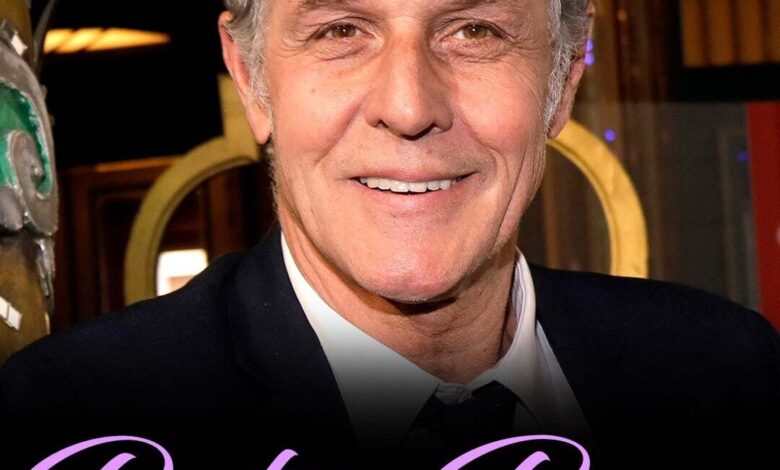
The final chapter of Pierre Deny’s life unfolded far from the glamorous worlds he spent decades bringing to life on screen. Audiences knew him as powerful executives, respected fathers, complicated lovers, and polished authority figures. But behind the cameras, his final months became a devastating battle against a disease that moved with shocking speed and cruelty.
His death at 69 after a sudden struggle with ALS left fans and colleagues across France stunned.
One moment, viewers still associated him with commanding performances and elegant screen presence. The next, social media filled with black-and-white tributes, emotional farewells, and messages from heartbroken co-stars trying to process the loss of a man many considered a quiet pillar of French television.
For international audiences, Pierre Deny became especially recognizable through Emily in Paris, where he portrayed Louis de Leon, a sophisticated and influential figure in the luxury fashion world. The role introduced him to millions of global viewers who suddenly discovered the charisma French audiences had appreciated for decades.
But in France, Pierre Deny’s legacy had already been firmly established long before Netflix brought him worldwide recognition.
Born in 1956, he built his career gradually and consistently rather than through sudden celebrity. Beginning in theater during the 1980s, he earned a reputation as a dependable and deeply respected actor capable of bringing warmth, complexity, and quiet intensity to nearly every role he touched.
Over the years, he appeared in more than sixty television productions, becoming a familiar face in some of France’s most beloved series. Audiences watched him in shows such as Sous le soleil, Une femme d’honneur, Cinq Sœurs, Plus belle la vie, and especially Demain nous appartient, known internationally as Tomorrow Is Ours.
It was there, through hundreds of episodes as Renaud Dumaze, that Pierre Deny became part of viewers’ daily routines and emotional lives. Characters like his stop feeling fictional after years on screen. They become familiar presences inside homes, dinner hours, and quiet evenings. That’s part of why his death hit so many fans so personally.
What made the loss even more painful was how sudden it seemed.
According to reports shared by his family, ALS — also known as Amyotrophic Lateral Sclerosis — progressed aggressively. The disease attacks nerve cells responsible for muscle control, gradually robbing the body of movement, speech, and eventually the ability to breathe independently. For many families, the speed and brutality of ALS feels especially cruel because the mind often remains fully aware while the body slowly fails.
In Pierre Deny’s case, the progression reportedly shocked even those closest to him.
Fans who had only recently watched him performing on screen struggled to understand how someone so vibrant could disappear so quickly. Tributes poured in from fellow actors, directors, and longtime collaborators who remembered not just his talent, but his kindness behind the scenes.
Paul Forman, one of his co-stars from Emily in Paris, described him as warm, generous, and deeply supportive — the type of actor who made younger performers feel welcome rather than intimidated. Others echoed similar memories, speaking about his calm professionalism, humor, and ability to bring steadiness to a set.
That combination of talent and humility may explain why his passing resonated so widely.
Pierre Deny never built his reputation around scandal, loud self-promotion, or celebrity theatrics. Instead, he earned admiration through consistency, craftsmanship, and decades of reliable work that quietly embedded him into French popular culture.
His daughters announced his death publicly, a statement that sent waves of grief across fan communities already emotionally preparing for the conclusion of Emily in Paris and other projects connected to his career. For many viewers, the timing felt especially heavy — a reminder of how fragile life can be even for people who seem permanently preserved through television and film.
Because actors often feel strangely immortal to audiences.
We continue watching their performances years after filming ends. Their characters remain frozen in time, smiling, arguing, falling in love, delivering lines exactly as they always did. Meanwhile, real life moves quietly forward behind the screen.
Pierre Deny’s passing reminds people that behind every polished performance is a human being living a fragile, temporary life away from cameras and applause.
And perhaps that is why his death has touched so many people so deeply.
Not only because audiences admired the roles he played —
but because those who knew him describe someone gentle enough to be remembered long after the credits fade.