I MARRIED A WEALTHY WIDOW FOR HER MONEY BUT HER FINAL GIFT DESTROYED MY ENTIRE LIFE!
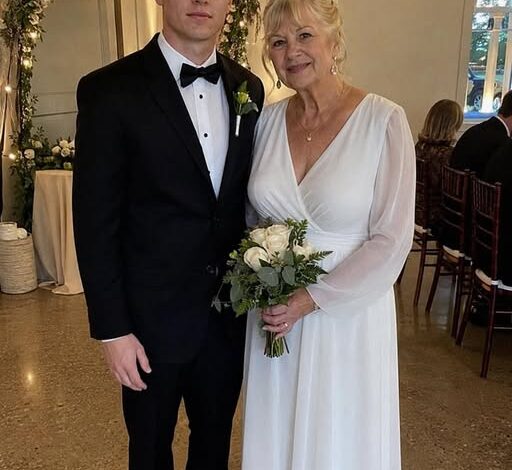
I stood in the lawyer’s office, clutching a weathered shoebox that held the terrifying key to my future, my heart hammering against my ribs like a trapped bird. Everyone believed I was the grieving widower, the devoted husband who had stayed by Evelyn’s side until her tragic, sudden end. But the truth was a rotting secret buried under layers of greed and cold-blooded calculation. As the attorney slid the lid off, he whispered that this was exactly what I deserved. I reached inside, my fingers trembling, and pulled out a damning piece of evidence that proved my dead wife had been watching.
I married Evelyn purely for survival. I was twenty-five, drowning in crushing debt, and living out of my rusting truck in a lonely parking lot, while she was seventy-one, a gentle widow whose pristine home offered the only sanctuary I had ever known. When she proposed, I didn’t see a life partner; I saw heat, a refrigerator filled with food, and a permanent exit from my desperate circumstances. I told myself it was just a smart move, a calculated trade-off. Deep down, however, I knew it was hollow. My friend Jesse was the only one I was honest with, laughing over cheap beers about how I had finally secured a retirement plan that would eventually pay out in full.
Two weeks before our courthouse wedding, Evelyn presented me with a prenuptial agreement. She looked at me over her wire-rimmed spectacles with a quiet, unsettling wisdom, remarking that hunger often drives good people to do ugly things. I signed the documents with a cocky, arrogant indifference, foolishly believing that people change and that wills are merely ink on paper. Life with Evelyn was a study in profound contrasts; she treated me with a kindness I never earned, while I secretly monitored her medicine bottles and noted every medical appointment on the kitchen calendar, silently calculating how much time she had left. I treated her existence like a ticking clock, waiting for the alarm to signal my payday.
The end came much faster than my greed had anticipated. A simple, domestic moment—a dropped spoon, a sudden, sharp collapse—and she was gone. My performance at the funeral was flawless, a masterclass in staged sorrow, but as I sat across from her attorney, Mr. Carson, the following morning, the floor dropped out from under me. The house was left to her niece, her substantial savings were donated to charity, and I was left with nothing but a single, dusty shoebox. Inside, I found a printout of a brutal text message I had sent to Jesse, gloating about how I would finally be set once she was gone.
Evelyn had known. She had watched me play the part of a loving husband while I was actively waiting for her death. Beneath the text message lay a thick stack of receipts—my designer boots, my winter coat, my car repairs—each one meticulously annotated with her elegant handwriting. She hadn’t been oblivious to my manipulation; she had been documenting my betrayal, keeping a precise, haunting record of every lie I told. Most devastating, however, was the final letter tucked into the bottom of the box. She didn’t scold me or curse my name. Instead, she offered me a terrifying, transformative path toward redemption, forcing me to decide if I would continue my life as a hollow fraud or finally face the world with the absolute, brutal truth.
The choice she gave me was agonizing. I could disappear with the box, preserving the thin, fragile veneer of my reputation, or I could attend her memorial luncheon and confess my sins to the very people who had loved her most. She wrote that what I really wanted wasn’t her money, but a way to stop being afraid. She was right. I had spent years running from my own reflection, terrified of being seen as the pathetic, desperate man I was. For the first time, I felt the crushing weight of my own character, and it was far heavier than any debt I had ever owed to the bank.
I chose the truth. Standing in the church basement, surrounded by the scent of lilies and the hum of quiet conversation, I faced the crowd. My voice was shaking as I admitted to every act of calculated deceit. I told them I was a gold digger, a man who had married a wonderful woman only to prey on her kindness. I saw the pure shock on their faces, the visceral disgust, and the cold confusion, but as I spoke, the paralyzing fear that had defined my life for years began to evaporate. I refused the honor of having my name on the new charity fund, insisting it bear only hers. I hadn’t earned the right to be remembered in the same breath as Evelyn, and I finally understood that dignity was not something you could steal—it was something you had to build, day by agonizing day.
In the months that followed, I began the long, grueling process of paying back every cent I had drained from her account, a penance that felt less like a punishment and more like a necessary, painful cleansing. I visited her grave often, no longer bringing the heavy guilt that had once defined my visits. I had entered that marriage wanting her life, wanting to be the man who inherited her comfort and her status, but I ended up discovering my own. The shoebox was not a curse; it was a mirror. Evelyn had seen the potential for a decent man beneath the layers of my desperation, and she had gambled everything on the hope that I would eventually choose to stop being a ghost and start being a man of integrity. I am finally honoring that gamble.