This Simple Nail Observation Is Said to Offer Clues About Healthy Aging, According to Longevity Experts
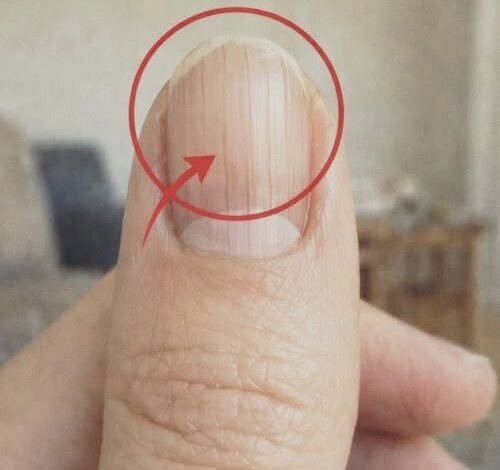
The human body is often described as a complex biological system that continuously reflects internal health through subtle external signs. While advanced medical imaging and laboratory tests provide detailed insights, some surface-level indicators can still offer useful clues about general wellness. Among these visible indicators, fingernails are frequently studied in both clinical and dermatological contexts because they can reflect aspects of nutrition, circulation, and overall health status.
However, they are not diagnostic tools for predicting lifespan or precise biological age. Fingernails are composed primarily of keratin, a structural protein produced in the nail matrix located beneath the skin at the base of the nail. As new cells form, older cells are pushed forward, creating the visible nail plate. The speed of nail growth can vary significantly between individuals and is influenced by multiple factors, including age, genetics, nutrition, and overall health.
In general, nail growth tends to be faster in younger individuals and may slow slightly with age. However, this change is gradual and not precise enough to be used as a measurement of biological aging or longevity. Scientific research does not support the idea that nail growth rate can accurately predict lifespan or overall aging speed.
Instead, nail growth is more accurately understood as a reflection of general metabolic activity. When the body is healthy and well-nourished, cellular processes—including keratin production—tend to function efficiently. Conversely, certain medical conditions or nutritional deficiencies may affect nail growth or appearance. These changes are usually indirect indicators of underlying health issues rather than standalone diagnostic signs.
Dermatologists often examine nails as part of a broader physical assessment because they can sometimes reveal clues about systemic conditions. This is known as the “nail examination” in clinical practice. One important observation is that changes in nail color, texture, or shape may occasionally be associated with underlying health conditions, although many nail changes are benign and caused by external factors.
For example, pale or unusually white nails may sometimes be associated with anemia or reduced blood flow, but they can also occur due to harmless temporary changes or minor trauma. A bluish tint in the nails, known medically as cyanosis, can indicate reduced oxygen levels in the blood. This symptom is considered clinically important and may require medical evaluation when persistent.
Another well-documented nail change is clubbing, where the fingertips enlarge and the nails curve downward. Clubbing can be associated with chronic lung disease, heart conditions, or other systemic disorders. However, it is important to note that nail clubbing is relatively uncommon and should always be evaluated in combination with other clinical symptoms rather than used as a standalone indicator.
Surface changes in nails can also provide clues about health. Small dents or pitting in the nail surface may sometimes be associated with conditions such as psoriasis or other inflammatory skin disorders. Vertical ridges in the nails are often a normal part of aging and are usually harmless. They can also be influenced by minor nutritional variations or natural changes in nail growth patterns over time.
Another condition sometimes discussed in medical literature is melanonychia, which refers to dark vertical streaks in the nail. While often benign, certain patterns may require medical evaluation to rule out serious conditions. One rare but important condition associated with nail pigmentation changes is subungual melanoma, a form of skin cancer that develops under the nail. Early detection requires professional dermatological assessment.
Despite these associations, most nail changes are not linked to serious disease. Everyday factors such as repeated hand washing, exposure to chemicals, and physical trauma are far more common causes. Environmental exposure can significantly affect nail strength and appearance. Frequent use of cleaning agents, harsh soaps, or nail cosmetics may lead to brittleness or splitting over time.
Nutritional factors also play a role in nail health. Deficiencies in iron, zinc, or certain vitamins may contribute to weak or brittle nails, although severe deficiencies are relatively uncommon in well-nourished populations. Biotin is often mentioned in relation to nail strength, but scientific evidence suggests its benefits are most relevant in cases of confirmed deficiency rather than as a general supplement for everyone.
It is also important to recognize that nails grow slowly, meaning visible changes often reflect past events rather than current health status. A single spot or mark may represent an injury or temporary imbalance from weeks earlier. Because of this delayed growth pattern, nails are more useful for observing long-term trends rather than interpreting short-term changes. Consistency over time is more meaningful than isolated observations.
Medical professionals emphasize that self-diagnosis based solely on nail appearance can be misleading. Many harmless conditions resemble signs associated with more serious diseases. For this reason, persistent or unexplained nail changes should always be evaluated by a qualified healthcare provider rather than interpreted through general online information.
In modern preventive healthcare, fingernails are considered one of many minor indicators that may contribute to a broader understanding of health, but they are never used in isolation for diagnosis. Overall health assessment involves multiple systems, including cardiovascular, respiratory, metabolic, and nutritional evaluations, all of which provide a more accurate picture than external appearance alone.
The concept of using nails as “health indicators” is best understood as a supportive observation tool rather than a predictive system. It can encourage awareness but should not create unnecessary concern. Ultimately, fingernails reflect a combination of biology, environment, and lifestyle factors. They can provide small clues about the body’s condition, but they are only one part of a much larger health picture.
Understanding these limitations helps ensure that observations remain balanced, evidence-based, and medically accurate rather than speculative or exaggerated.