GUNFIRE ERUPTS AT MAJOR HOSPITAL AS STAFF AND PATIENTS FLEE FOR THEIR LIVES
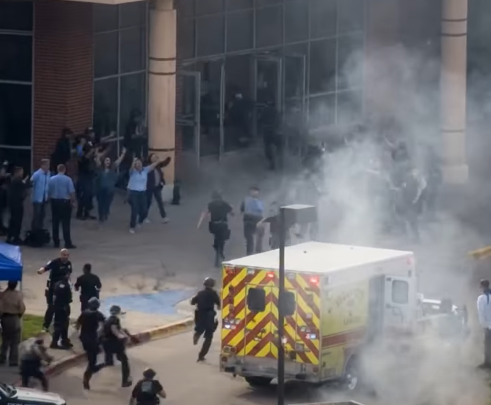
A sanctuary of healing was transformed into a blood-soaked war zone when a violent shooting shattered the silence of a major hospital, sending terrified patients and medical personnel scrambling for their lives. The sudden pop of gunfire in a crowded parking structure triggered a mass panic, turning an ordinary day into a scene of pure, unadulterated horror. As armed officers swarmed the facility, those trapped inside were forced to barricade themselves in rooms, praying they would not be the next victim of the carnage. The shocking truth about what triggered this deadly rampage behind closed doors will leave you completely paralyzed.
Hospitals are built to be citadels of comfort, care, and absolute safety, serving as the final bastion of security when the world feels dangerous. That fundamental sense of safety was ripped away during a high-stakes security incident at Corewell Health Beaumont Troy Hospital in Michigan, where an ordinary day devolved into a volatile and life-threatening standoff. What began as a routine afternoon for staff, patients, and visitors quickly spiraled into a nightmare scenario as reports of active gunfire echoed through the facility’s parking infrastructure. The shock was immediate; emergency protocols were triggered instantly, forcing medical teams to abandon their rounds and focus entirely on the survival of everyone inside the hospital’s walls.
As the chaos unfolded, law enforcement agencies scrambled to respond, arriving at the scene with sirens blaring and weapons drawn to neutralize the threat. It soon became clear that this was not a random attack, but a deeply personal, violent dispute between two hospital employees. The confrontation, which occurred in a public-facing area of the parking structure, resulted in one individual sustaining gunshot wounds. The victim was immediately rushed to the trauma center, where medical staff worked with frantic intensity to stabilize them under the shadow of the ongoing threat. For the patients inside, the sound of sirens and the sight of tactical gear were jarring reminders of how quickly the mundane stability of a medical facility can be shattered by a single, desperate act.
Law enforcement officers acted with remarkable speed and tactical precision, cordoning off the area and locating the suspect within a very short timeframe. The swift arrest helped bring the immediate, escalating threat under control and allowed the hospital to slowly transition away from its emergency lockdown status. However, the resolution of the physical threat did not immediately erase the psychological trauma inflicted on everyone who was present during those harrowing minutes. For many, the experience was profoundly unsettling. In a setting where every hallway is designed for healing, the presence of violence felt like a grotesque violation of the hospital’s core purpose.
The aftermath of the shooting sparked intense, broader conversations throughout the Michigan community and the healthcare industry as a whole. Medical facilities play an indispensable role in the stability of our society, and events of this nature raise urgent, difficult questions regarding safety, workplace preparedness, and the hidden support systems that often fail to catch individuals before they reach a breaking point. When a dispute between colleagues escalates into gunfire, it suggests a failure in the internal processes meant to protect workers and patients alike. Community leaders and hospital administrators are now being pressured to re-examine their security infrastructure to ensure that such an alarming violation of safety never recurs.
While the immediate physical danger was neutralized by the arrival of the police, the emotional toll on the staff remains a heavy burden that will likely linger for months or years. Healthcare professionals are trained to handle medical emergencies and to remain composed in the face of death, but they are not trained to survive active shooter scenarios in their own place of employment. This incident serves as a grim highlight of the importance of robust communication strategies, institutional teamwork, and the inherent, often overlooked resilience of both medical staff and the patients who rely on them. The recovery process is not just about physical health but about rebuilding the fragile sense of security that was stolen during the shooting.
In the hours and days following the incident, the institutional focus shifted toward healing and quiet reflection. Community members, civic leaders, and hospital board members emphasized the need for comprehensive safety improvements, reminding the public that even in the darkest, most difficult moments, a commitment to unity and mutual support is the only way to move forward. The hospital administration has begun the difficult task of internal review, evaluating what failed in the lead-up to the conflict and how they can foster a safer, more supportive work environment for their employees.
This violent episode is a somber reminder that the veneer of safety we construct in our public institutions is thinner than we would like to believe. The shooting at Beaumont Troy Hospital will remain a case study in the necessity of vigilance and the complexity of modern security. As the facility moves to normalize its operations, the community continues to offer support to the injured victim and the staff members who were forced to confront a nightmare while on the clock. It is a testament to the character of the healthcare workers that they continued to prioritize patient care even as the sirens wailed outside. In the long run, the hope is that this tragedy serves as a catalyst for meaningful change, ensuring that hospitals remain what they have always promised to be: places of absolute, unwavering safety.