If you notice your legs are swollen, that’s a sign of ca…
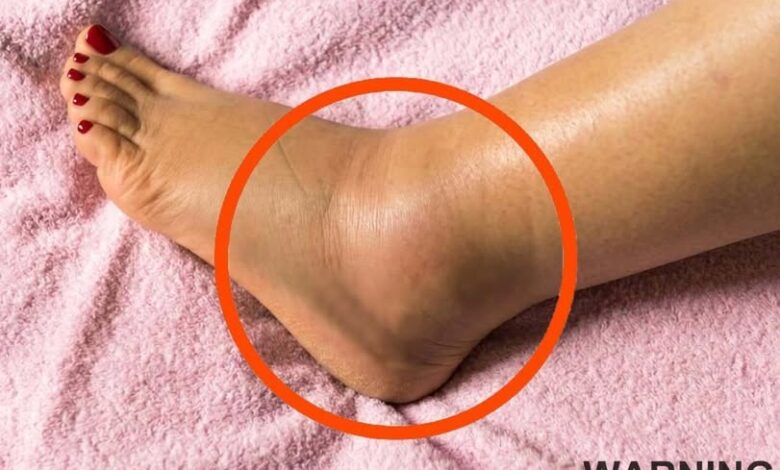
Swollen feet can seem harmless at first glance. Many people dismiss them as a normal part of getting older, a consequence of spending too much time on their feet, or simply an inconvenience that comes and goes. The puffiness may develop gradually, causing little discomfort in the beginning, which makes it easy to ignore. However, especially in older adults, swollen feet and ankles can sometimes be the body’s earliest warning sign that a more serious health issue is developing beneath the surface. What appears to be a minor annoyance may actually signal problems involving the heart, kidneys, liver, or circulatory system. The challenge is that the difference between a temporary nuisance and a potentially dangerous medical condition is not always obvious.
For many seniors, swelling in the lower legs develops because aging naturally affects the body’s circulation. Veins become less efficient, muscles lose some of their strength, and blood may not return to the heart as effectively as it once did. As circulation slows, fluid can begin to accumulate in the feet, ankles, and lower legs, leading to visible swelling. Long periods of sitting or standing can worsen the problem, allowing gravity to pull fluid downward where it becomes trapped in the tissues.
Lifestyle factors can also play a significant role. Diets high in sodium encourage the body to retain extra fluid, increasing the burden on blood vessels and the heart. Excess body weight places additional pressure on the circulatory system and can make it harder for blood to move efficiently through the legs. Certain medications commonly prescribed to older adults, including some blood pressure drugs, anti-inflammatory medications, and treatments for diabetes, may contribute to fluid retention as a side effect. Because these changes often occur gradually, many people fail to recognize how much stress their bodies may be experiencing.
In some cases, swollen feet are linked to more serious underlying medical conditions. Heart disease can reduce the heart’s ability to pump blood effectively, causing fluid to build up in the lower extremities. Kidney disease may impair the body’s ability to remove excess fluid and waste products, leading to noticeable swelling. Liver disease can disrupt the balance of proteins and fluids within the bloodstream, allowing fluid to leak into surrounding tissues. These conditions frequently develop slowly and may not produce dramatic symptoms in their early stages, making swollen feet one of the first visible clues that something is wrong.
The encouraging news is that early recognition can make a meaningful difference. Paying attention to changes in swelling and addressing them promptly may help identify health concerns before they become more severe. Simple daily habits can often improve circulation and reduce discomfort. Regular walking encourages blood flow and helps prevent fluid from pooling in the legs. Gentle stretching exercises and frequent movement throughout the day can support healthier circulation, especially for those who spend long periods seated.
Other practical measures can also help. Elevating the feet above heart level whenever possible allows fluid to move back toward the body’s central circulation. Wearing properly fitted supportive footwear can reduce strain on the feet and ankles. Compression socks may provide additional support by helping blood move more effectively through the veins. Reducing sodium intake, staying hydrated, and maintaining a healthy weight can further ease pressure on the cardiovascular system and improve overall health.
Perhaps most important is knowing when swelling may indicate an urgent medical problem. Swelling that appears suddenly, becomes significantly worse in a short period, or affects only one leg should never be ignored. Severe pain, warmth, redness, skin discoloration, chest discomfort, or shortness of breath may signal a potentially serious condition requiring immediate medical attention. These symptoms can sometimes point to blood clots, heart complications, infections, or other emergencies that require prompt evaluation.
Ultimately, swollen feet should not be viewed merely as a cosmetic issue or an unavoidable part of aging. They are often a signal that the body is trying to communicate something important. By paying attention to that message, seeking medical advice when necessary, and taking steps to support healthy circulation, older adults can improve their comfort, preserve their mobility, and potentially uncover hidden health problems before they become more difficult to treat. A small change in the feet today may provide an opportunity to protect overall health and independence for years to come.