Doctors Had Serious Concerns About Her Health — What Happened Next Surprised Many
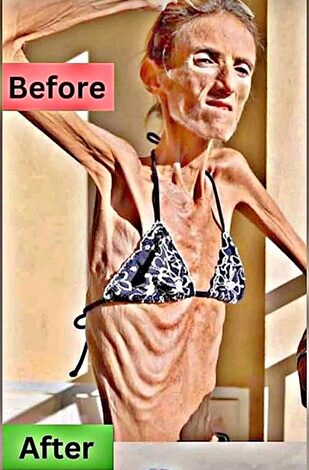
Severe weight loss can occur for many different reasons, and not all cases are related to the same condition. Medical causes may include cancers, gastrointestinal diseases, chronic infections, autoimmune disorders, hormonal conditions, and other illnesses that interfere with nutrition or metabolism. In some situations, mental health conditions such as eating disorders can also lead to dangerous weight loss. Regardless of the cause, significant loss of body weight often affects more than appearance.
The body may lose muscle mass, strength, energy reserves, and the ability to perform everyday tasks comfortably. When the body is deprived of adequate nutrition, multiple organ systems can be affected. Muscles may weaken, making walking, climbing stairs, or carrying objects difficult. The immune system can become less effective, increasing the risk of infections. Bone health may decline, and wounds may heal more slowly.
People experiencing severe malnutrition often report fatigue, dizziness, difficulty concentrating, and feeling cold frequently. These symptoms can significantly reduce quality of life and make recovery more challenging if the underlying problem is not addressed.

Recovery from severe weight loss generally starts with identifying and treating the underlying cause. Doctors may perform blood tests, imaging studies, nutritional assessments, and other evaluations to determine what is contributing to the person’s condition. Treatment plans vary widely depending on the diagnosis. Some individuals may need medication, surgery, or treatment for an underlying disease. Others may benefit from specialized nutritional therapy, counseling, or support for mental health concerns. A coordinated approach is often the most effective path toward recovery.
Nutrition is a central part of rebuilding health, but recovery usually needs to be approached carefully. When someone has been severely undernourished for an extended period, suddenly increasing food intake without medical supervision can sometimes create additional health risks. Healthcare professionals may gradually increase calories, protein, vitamins, and minerals while monitoring the body’s response. This process helps restore strength safely and supports the rebuilding of muscle tissue and other essential body functions.
Physical healing is only one part of the recovery process. Many people who experience severe illness or dramatic weight loss also face emotional challenges. Anxiety about health, fear of relapse, depression, and changes in self-image can all affect recovery. Support from family members, friends, counselors, and support groups can be extremely valuable. Feeling understood and encouraged often helps people stay motivated during a process that can be lengthy and demanding.

One common misconception is that dramatic recoveries happen quickly. In reality, meaningful recovery often takes months or even years. Progress may occur gradually, with periods of improvement followed by setbacks or plateaus. Regaining weight, rebuilding muscle strength, and restoring overall health usually require patience and consistent medical follow-up. Small milestones, such as increased energy, improved appetite, or the ability to return to daily activities, are often important signs that recovery is moving in the right direction.
Social media has made before-and-after images easier to share than ever before. Unfortunately, these posts frequently lack context, medical documentation, or reliable sources. An image may be presented as evidence of recovery from one condition when the real circumstances are unknown. The transformation could be related to medical treatment, recovery from an eating disorder, changes in lifestyle, or other factors entirely. For this reason, it is wise to view such content with caution and avoid drawing conclusions based solely on photographs.
Reliable health information should come from healthcare professionals, reputable medical organizations, and evidence-based sources. When discussing recovery stories, it is important to distinguish between verified facts and assumptions. Doing so helps prevent misinformation and ensures that people seeking help receive accurate guidance. Recovery journeys can be inspiring without exaggerating or inventing details that have not been confirmed.
Despite the challenges involved, many people do regain strength, health, and quality of life after severe illness or malnutrition. Advances in medical care, nutrition, rehabilitation, and mental health support have improved outcomes for countless patients. Every situation is different, but recovery is often possible when the underlying condition is identified and treated appropriately. These stories remind us not only of the body’s capacity to heal, but also of the importance of compassion, support, and access to proper healthcare during difficult times.