What Does the Bible Say About Cremation? Exploring Christian Perspectives on a Growing Practice
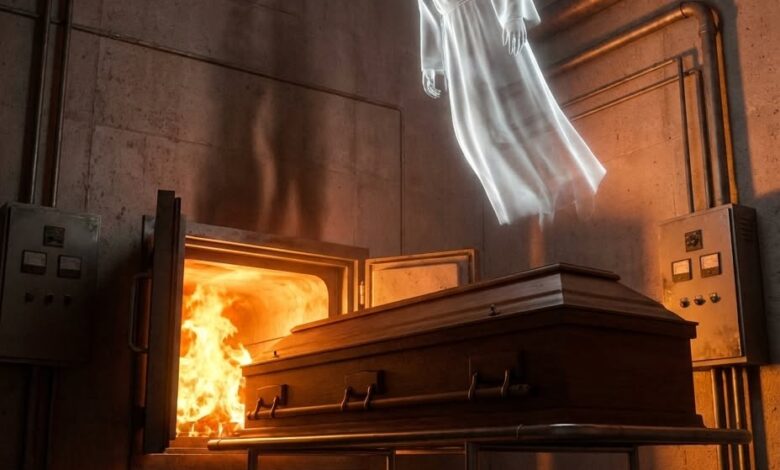
For generations, burial has been the traditional way many Christians have honored loved ones after death. Yet today, more families than ever are choosing cremation, leading many believers to ask an important question: Does the Bible approve of cremation, or does Christian faith favor burial? The answer may surprise some readers. While burial is deeply rooted in biblical history, Scripture does not provide a direct command that prohibits cremation. As a result, Christians around the world continue to hold different views on the subject, often guided by tradition, personal conviction, and denominational teachings.
One reason the discussion remains important is because burial plays a significant role throughout the Bible. Many of the most well-known figures in Scripture, including Abraham, Isaac, Jacob, and other faithful servants of God, were buried after death. Most notably, Jesus Christ was laid in a tomb following His crucifixion. These examples helped shape Christian customs for centuries, making burial a powerful symbol of faith, remembrance, and hope. The Apostle Paul even used the image of a seed being planted in the ground before new life emerges, comparing it to the future resurrection promised to believers.
At the same time, many Christian scholars point out that the Bible never explicitly forbids cremation. Although Scripture contains a few references to bodies being burned, those situations typically occurred under unique circumstances and were not presented as universal instructions for God’s people. Because of this, many churches teach that the method of handling a person’s remains is ultimately a personal decision rather than a matter of salvation. The central focus of Christian belief remains faith in God and the promise of eternal life, not the physical condition of the body after death.
Another key consideration is the Christian belief in resurrection. Many theologians emphasize that God’s power is not limited by earthly circumstances. Whether a person is buried, cremated, lost at sea, or affected by the natural process of time, Christian teaching affirms that God is fully capable of restoring life. This understanding has led many modern denominations to accept cremation as a valid option while still respecting the long-standing tradition of burial. As a result, attitudes toward cremation have gradually become more accepting across much of the Christian world.
Ultimately, the conversation about cremation reflects a deeper question about faith, hope, and the meaning of eternal life. While Christians may differ in their preferences and traditions, most agree on one essential truth: the hope of the resurrection does not depend on the place where a body rests. For believers, comfort comes from trust in God’s promises and the assurance that life extends beyond this world. Whether a family chooses burial or cremation, the focus remains on honoring a loved one and holding onto the hope that lies at the heart of the Christian faith.