After a 26-Hour ER Shift, I Came Home to Find My Daughter-in-Law Taking Over My House — By Morning, Everything Had Changed
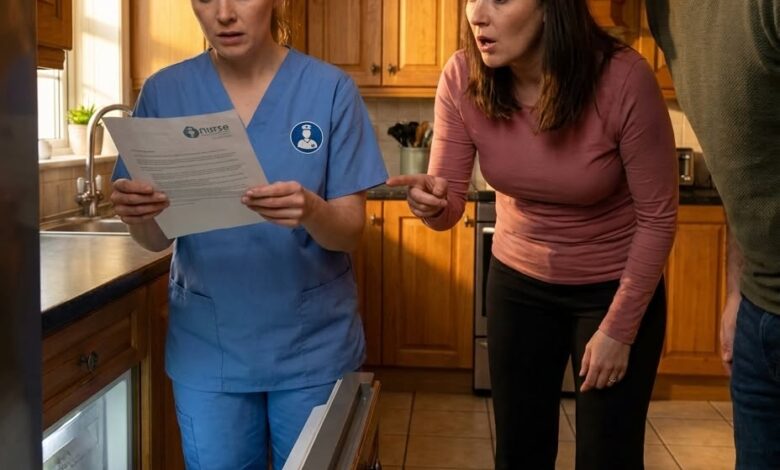
After spending 26 exhausting hours working in the emergency room, all I wanted was a hot cup of coffee and a few hours of sleep. Instead, I walked through my front door and felt like a stranger in my own home. The kitchen I had spent years paying for looked completely different. A massive new refrigerator stood where my breakfast table used to be, my belongings had been moved without permission, and my daughter-in-law was waiting with an announcement that left me speechless. At that moment, I realized something far more troubling than a remodeled kitchen had been happening while I was busy caring for everyone else.
For more than four decades, I had worked as a nurse, often putting the needs of others ahead of my own. When my son Desmond lost his job, I opened my home to him and his new wife, Thalia, believing it would only be temporary. I wanted to help them get back on their feet. But over time, small changes began appearing around the house. Furniture was rearranged, decorations disappeared, and rooms slowly stopped feeling like mine. Exhausted from long hospital shifts, I brushed aside my concerns and convinced myself I was simply adjusting to having more people in the house.
That night, however, things became impossible to ignore. Thalia proudly showed me the expensive refrigerator she had installed and explained that it would be reserved for her groceries. She informed me that I would need to store my food separately and follow her new household systems. As I looked around the kitchen, I noticed my coffee maker had vanished, pantry items had been boxed up, and many of my personal belongings had been pushed aside to make room for her preferences. What hurt most was seeing my son stand quietly by, avoiding eye contact while these decisions were presented as if they had already been agreed upon.
The following morning brought an even more uncomfortable conversation. Thalia suggested that perhaps it was time for me to think about retirement and consider moving into a senior community where life would be “simpler.” She spoke as though she were offering helpful advice, but the message was clear: she saw herself and Desmond as the future of the house. For the first time, I realized that my generosity had been mistaken for weakness. The home I had purchased, maintained, and paid off through decades of hard work was slowly being treated as if it belonged to someone else.
As I prepared for another shift at the hospital, I sat alone in my bedroom and looked at the filing cabinet where I kept important documents. Inside was the deed to the house—bearing only one name: mine. In all their planning and rearranging, they had overlooked one crucial fact. This wasn’t a shared property, an inherited estate, or a family asset up for negotiation. It was my home. And as I headed out the door that morning, I knew one thing for certain: the conversation about who controlled this house was far from over.