The Final Curtain Call: The Heartbreaking Truth Behind Daytime TV Legend Phil Donahue’s Passing
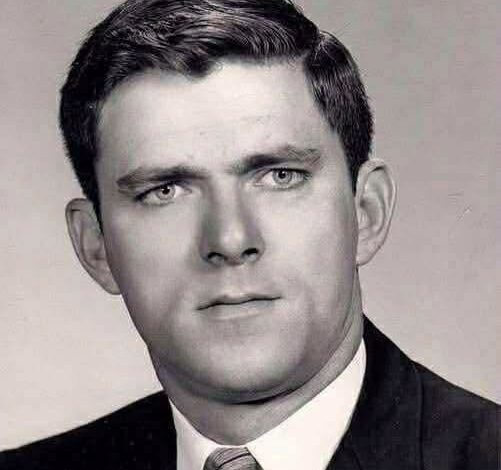
The world of television lost one of its most influential voices when Phil Donahue passed away at the age of 88. For nearly three decades, his groundbreaking talk show revolutionized daytime television, bringing real conversations about real issues into living rooms across America. From controversial topics to intimate personal stories, Donahue created a space where ordinary people could discuss everything from politics to parenting, often with a level of honesty that felt revolutionary at the time. His death marks the end of an era — one defined by curiosity, courage, and the belief that television could be more than entertainment. It could be a mirror held up to society itself.
Phil Donahue didn’t invent the talk show format, but he transformed it into something entirely new. Before Donahue, daytime television was largely filled with game shows, soap operas, and light entertainment. He took the format into the audience, literally walking among viewers with a microphone and encouraging them to ask questions and share their perspectives. This simple innovation changed everything. Suddenly, the audience wasn’t just watching — they were participating. The show became a platform for marginalized voices, controversial opinions, and difficult conversations that other programs avoided. Topics that were once considered too sensitive for television became regular features, helping to normalize discussions about race, gender, sexuality, and social justice.
What made Donahue special wasn’t just his willingness to tackle tough subjects. It was his genuine curiosity and respect for his guests and audience. He listened. He asked follow-up questions. He allowed people to speak their truth without constant interruption or sensationalism. In an industry increasingly driven by conflict and drama, Donahue’s approach felt refreshingly human. He treated his viewers as intelligent participants rather than passive consumers. This respect created a level of trust that kept audiences coming back for years, even when the topics made them uncomfortable.
The impact of “The Phil Donahue Show” extended far beyond ratings. It helped shape public discourse on countless issues and paved the way for future talk show hosts, including Oprah Winfrey, who has publicly credited Donahue with creating the template for her own groundbreaking program. Many of today’s most successful talk shows and reality formats owe a debt to the foundation Donahue built — the idea that real people’s stories matter and that television could be a force for understanding rather than just escapism.
Beyond his professional achievements, Phil Donahue was a man of principle who used his platform for good. He was an early advocate for various social causes and wasn’t afraid to challenge powerful interests when necessary. His personal life, including his long marriage to actress Marlo Thomas, reflected the same values of respect and partnership that he promoted on his show. Those who knew him described a man of integrity, humor, and genuine compassion — qualities that became increasingly rare in the cutthroat world of television.
The news of his passing has prompted an outpouring of tributes from colleagues, celebrities, and everyday viewers whose lives were touched by his work. Many have shared personal stories about how a particular episode helped them through difficult times or changed their perspective on important issues. The collective response speaks to the profound cultural impact Donahue had during his decades on air. He didn’t just entertain — he informed, challenged, and connected people in ways that transcended entertainment.
As we reflect on Phil Donahue’s legacy, it’s worth considering what made his approach so effective and enduring. In an era of soundbites and sensationalism, he believed in the power of conversation. He trusted his audience to engage with complex ideas. He understood that television’s greatest potential lay in its ability to foster understanding across differences. These principles feel particularly relevant today, as media continues to fragment and polarization increases. Donahue’s model offers a reminder that good-faith dialogue remains possible, even — or especially — on difficult topics.
The void left by Phil Donahue’s passing is significant, but his influence continues through the many journalists, hosts, and content creators who were inspired by his work. The talk show format he helped pioneer remains a powerful platform for storytelling and public discourse. While the media landscape has changed dramatically since his show first aired, the core idea that television can bring people together to discuss important issues remains as relevant as ever.
For those who grew up watching “The Phil Donahue Show,” his death marks the end of a chapter in television history. For younger generations discovering his work through archival footage, it offers a glimpse into a time when media felt more intimate and substantive. Either way, his contribution to American culture cannot be overstated. He showed us that television could be smart, provocative, and respectful all at once — a difficult balance that few have matched since.
As we say goodbye to this television pioneer, perhaps the best way to honor his legacy is to carry forward the spirit of curiosity, respect, and honest conversation that defined his work. In a divided world that often seems to reward shouting over listening, Phil Donahue’s example reminds us of the power of genuine dialogue. The man who brought America’s living rooms into conversation with itself has left behind a legacy that continues to inspire.
Rest in peace, Phil Donahue. Your voice may be silent now, but the conversations you started will echo for generations to come. Thank you for showing us what television — and humanity — could be at its best. The airwaves are a little quieter today, but the impact of your work will continue to resonate far into the future.x