Is That Rash Down There Destroying Your Life? The Silent Dangers You Need to Know Now
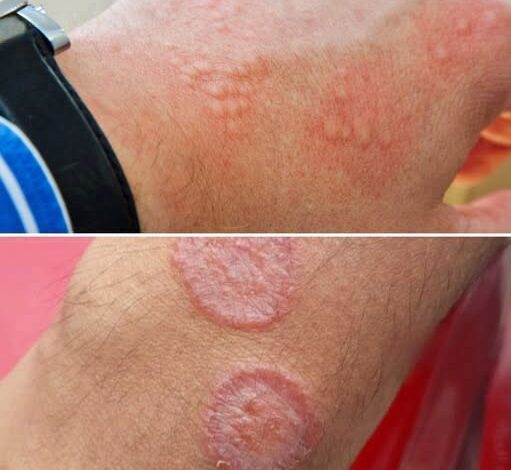
For weeks, you may have been brushing off that persistent itch, irritation, or discomfort, hoping it would disappear on its own. It’s an easy problem to ignore—many people feel embarrassed discussing symptoms in such a private area and often convince themselves that the issue is minor. Yet persistent irritation should never be dismissed without consideration. What appears to be a simple nuisance can sometimes indicate an underlying condition that requires attention. From infections and inflammatory skin disorders to chronic health issues that affect the skin’s natural defenses, ongoing groin irritation deserves more respect than it often receives. Rather than relying on guesswork, understanding the potential causes can help you protect your health and seek appropriate care when necessary.
Groin irritation is far more common than many people realize, but it remains one of the least openly discussed topics in personal health. The groin area naturally creates an environment that is warm, moist, and subject to constant friction, making it particularly vulnerable to a variety of skin conditions. While occasional redness or mild itching may result from exercise, sweating, or grooming habits, symptoms that persist or worsen can signal a deeper issue. Paying attention to these warning signs is not simply about comfort—it is about maintaining healthy skin and preventing complications that could become more difficult to manage over time.
One of the most common causes of localized irritation is an ingrown hair. This occurs when a hair grows back into the skin instead of emerging through the surface normally. The result is often a painful red bump accompanied by swelling and inflammation. Ingrown hairs frequently develop after shaving, waxing, or other hair-removal methods. Although many people attempt to squeeze or pick at these bumps, doing so can introduce bacteria and increase the risk of infection. Prevention often involves proper grooming techniques, including using clean, sharp razors, shaving in the direction of hair growth, and gently exfoliating the skin to remove dead cells that may trap hairs beneath the surface.
Another frequent source of discomfort is folliculitis, a condition characterized by inflammation of the hair follicles. This problem may develop when bacteria, fungi, or other microorganisms invade the follicles, leading to clusters of red, tender bumps that resemble acne. Tight clothing, excessive sweating, and repeated friction can create conditions that allow folliculitis to thrive. Maintaining good hygiene, changing out of sweaty clothing promptly, and keeping the skin clean and dry can help reduce the risk. However, more persistent or severe cases may require evaluation by a healthcare professional and, in some situations, prescription treatment.
Among the most recognized causes of groin itching is tinea cruris, commonly referred to as jock itch. Despite its name, this fungal infection is not limited to athletes. It can affect anyone, particularly when moisture becomes trapped against the skin for extended periods. Jock itch often appears as a red, itchy rash with a distinct border that may gradually spread outward. While antifungal medications are generally effective, successful treatment usually requires additional lifestyle adjustments. Wearing breathable fabrics, changing clothes after exercise, and ensuring the area remains dry can significantly reduce the likelihood of recurrence.
Not all groin irritation is caused by infections. In many cases, the problem stems from contact dermatitis, a skin reaction triggered by exposure to irritating substances or allergens. Common culprits include scented soaps, laundry detergents, fabric softeners, personal care products, and even dyes used in clothing. Because the skin in this area is particularly sensitive, it can react strongly to substances that might not cause problems elsewhere on the body. Switching to fragrance-free products, choosing gentle detergents, and wearing breathable cotton fabrics may help calm irritated skin and reduce future flare-ups.
Intertrigo is another condition that deserves attention. This type of irritation develops when skin rubs against skin, especially in areas where moisture becomes trapped. It is particularly common in individuals with skin folds, but it can affect anyone under the right conditions. The constant combination of friction and sweat weakens the skin barrier, making it vulnerable to secondary bacterial or fungal infections. Preventing intertrigo often involves keeping the area dry, reducing friction where possible, and using appropriate moisture-management strategies when recommended by a healthcare provider.
The health of the skin is also closely connected to overall health. Certain medical conditions can make the body more vulnerable to recurring irritation and infections. Diabetes is one notable example. Elevated blood sugar levels can create an environment that encourages fungal and bacterial growth while also impairing the body’s ability to heal. As a result, even minor skin problems may become persistent or difficult to treat. Similarly, chronic stress can weaken immune function and contribute to flare-ups of inflammatory skin conditions such as eczema or psoriasis, which may sometimes affect the groin area.
While many cases of irritation improve with proper hygiene and self-care, there are situations where medical attention should not be delayed. Persistent symptoms that fail to improve, severe pain, significant swelling, spreading redness, unusual discharge, open sores, or the development of a fever may indicate a more serious issue requiring professional evaluation. Healthcare providers routinely assess and treat these conditions, and there is no reason to allow embarrassment to become a barrier to care. Early diagnosis often leads to simpler treatment, faster recovery, and a reduced risk of complications.
Ultimately, the most important lesson is that your body communicates through symptoms. An itch, rash, or irritation that refuses to disappear may be your body’s way of signaling that something needs attention. Rather than ignoring these signs or hoping they will resolve on their own, take the time to understand what may be causing them. Whether the source is friction, infection, allergy, or an underlying medical condition, addressing the problem early can help protect your skin, improve your comfort, and support your overall health. Listening to your body is not a sign of weakness—it is one of the most important forms of self-care you can practice.