Royal Revenge: King Charles Unleashes Shocking Speech That Experts Claim Slams Donald Trump and Leaves the World Gasping
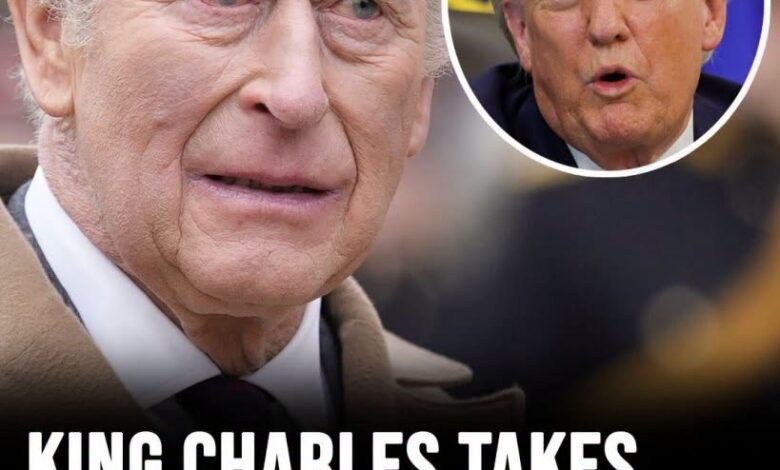
In a move that sent shockwaves through international diplomatic circles, King Charles delivered a speech that many political analysts are interpreting as a pointed critique aimed directly at former U.S. President Donald Trump. The address, delivered during a high-profile gathering of global leaders, touched on themes of unity, environmental responsibility, and democratic values in ways that seemed to subtly challenge recent American political rhetoric. What began as a standard royal engagement quickly evolved into a moment that left audiences worldwide stunned, sparking intense debate about the role of monarchy in modern geopolitics and the boundaries of subtle statecraft. This unexpected development highlights ongoing tensions between traditional institutions and contemporary populist movements.
The speech carefully wove historical references with forward-looking calls for cooperation on global challenges like climate change and international stability. Experts noted carefully chosen phrasing that appeared to contrast sharply with isolationist policies often associated with Trump-era approaches. Phrases emphasizing multilateral alliances and collective responsibility were seen by commentators as indirect rebukes to “America First” doctrines that prioritized unilateral actions. While the King maintained the dignified restraint expected of his position, the underlying message resonated strongly with audiences attuned to current transatlantic dynamics, positioning the British monarchy as a voice for measured, collaborative leadership amid rising populism.
Reactions poured in almost immediately from political figures across the spectrum. Supporters of the King praised his courage in addressing pressing issues without descending into partisanship, viewing the speech as a timely reminder of shared Western values. Critics, particularly those aligned with Trump, accused the monarch of overstepping traditional bounds by injecting personal or institutional views into international discourse. Social media platforms exploded with divided opinions, memes, and heated discussions about whether royal figures should engage with contemporary political controversies at all. The global gasp stemmed not just from content but from the rarity of such perceived directness from a constitutional monarch bound by protocol and neutrality expectations.
Behind the scenes, diplomatic sources suggest the timing and venue were deliberate, coming amid ongoing discussions about trade, security, and climate commitments between the UK, U.S., and allies. Analysts point out that King Charles has long championed environmental causes and international cooperation, making the speech consistent with his established public persona rather than a sudden departure. However, the pointed nature of certain passages fueled speculation about underlying frustrations with recent U.S. policy shifts under potential future Trump influence. This interpretation gained traction among political observers who see the monarchy leveraging soft power in ways that traditional elected leaders sometimes cannot due to domestic pressures.
The broader implications for Anglo-American relations cannot be overstated. Historically strong ties between the two nations have weathered many storms, but recent years have introduced strains over trade deals, security commitments, and cultural differences. King Charles’s words, whether intentionally critical or broadly philosophical, underscore the UK’s desire for predictable, values-based partnerships. For American audiences, the speech served as a mirror reflecting internal divisions while inviting reflection on the country’s global image. It also highlighted how cultural and historical institutions continue influencing modern politics despite efforts toward separation of powers and neutrality.
Public response revealed deep societal divides on both sides of the Atlantic. Many Britons expressed pride in their monarch voicing concerns they share about global leadership, while others worried about potential diplomatic fallout. In the United States, conservative voices decried perceived interference, while progressive groups welcomed the emphasis on unity and sustainability. This polarization mirrors larger cultural conversations about nationalism versus globalism, tradition versus progress, and the appropriate role of unelected figures in shaping public discourse. The event amplified existing debates about monarchy’s relevance in democratic societies, with some calling for greater transparency and others defending institutional restraint.
Looking ahead, the speech may influence future interactions between British leadership and U.S. administrations regardless of who holds power. It reinforces the UK’s commitment to certain international norms while signaling willingness to engage critically when necessary. For King Charles personally, it cements his legacy as an engaged monarch unafraid to address uncomfortable truths, building upon decades of advocacy work. Experts predict continued subtle influence through speeches, patronage, and diplomatic channels rather than overt confrontation, maintaining the delicate balance constitutional monarchs must navigate.
The global reaction also sparked renewed interest in historical parallels, where royal figures have weighed in during pivotal moments. Comparisons to past monarchs who shaped policy through influence rather than direct power highlight evolving norms around public commentary. As media coverage continues dissecting every phrase and pause, the conversation extends beyond one speech to fundamental questions about leadership, accountability, and cross-cultural understanding in an interconnected world.
In the end, King Charles’s address stands as a significant moment in contemporary diplomacy, blending tradition with timely commentary in a way that captured worldwide attention. Whether viewed as royal revenge against perceived threats to stability or simply principled advocacy, it underscores the enduring power of thoughtful words to shape narratives and challenge assumptions. As reactions settle and analysts continue debating intent and impact, one thing remains clear: the speech has left an indelible mark on international discourse, reminding everyone that even subtle statements from influential voices can reverberate powerfully across borders and political divides. The world continues watching closely as these dynamics unfold, eager to see how relationships evolve in response.