Lunar Mission in Peril: Veteran Astronaut Issues Dire Warning Over Artemis II Safety Flaws
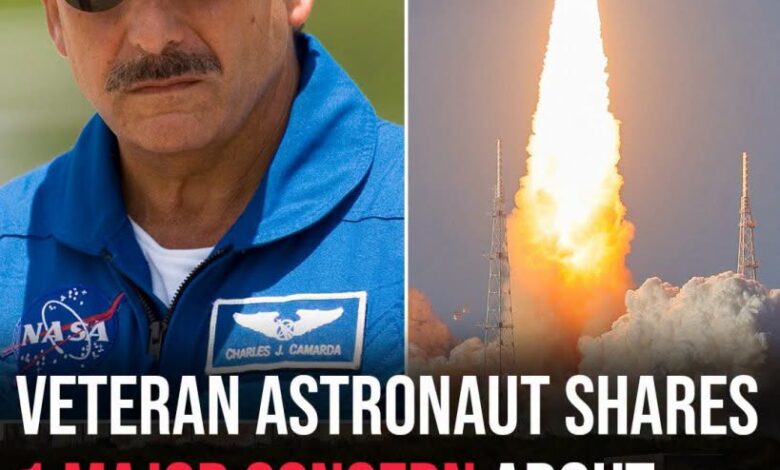
Space exploration has always involved calculated risks, but a veteran astronaut’s recent dire warning about the Artemis II mission has sent ripples of concern through NASA and the global space community. With the program representing humanity’s return to the Moon after decades, questions about safety protocols and technical readiness have taken center stage. The experienced spacefarer’s assessment highlights potential vulnerabilities in current mission architecture that could jeopardize crew safety during this ambitious undertaking. As preparations continue, this public intervention has sparked important conversations about balancing ambitious timelines with rigorous safety standards in modern spaceflight.
The Artemis program aims to establish sustainable human presence on the Moon while developing technologies necessary for eventual Mars missions. Artemis II specifically focuses on crewed flight around the Moon using the Orion spacecraft atop the powerful Space Launch System rocket. This mission represents critical test of integrated systems that must perform flawlessly in deep space environment far from Earth-based rescue capabilities. The veteran’s concerns center on specific technical aspects including life support systems, radiation protection, and emergency abort procedures that require thorough validation before committing human lives to lunar trajectory.
NASA has responded to the warning by emphasizing comprehensive testing protocols and ongoing risk assessment processes that guide all major decisions. Agency officials point to extensive simulation work, component testing, and international collaboration that inform current mission planning. However, the public nature of the astronaut’s concerns has prompted greater transparency about safety measures and contingency planning. This dialogue between experienced personnel and program leadership reflects healthy tension that often drives improvements in complex engineering endeavors where human lives are at stake.
Historical parallels to previous space programs provide important context for understanding current challenges. Apollo missions faced significant technical hurdles and close calls that ultimately contributed to successful Moon landings through iterative problem-solving and safety improvements. Similarly, Space Shuttle program experienced tragic losses that led to enhanced safety protocols and design modifications. These lessons underscore importance of heeding expert warnings while maintaining commitment to exploration goals that drive human progress and scientific discovery.
Public interest in Artemis program remains high as citizens worldwide follow developments in humanity’s return to Moon. The prospect of diverse crew composition and international partnerships adds layers of excitement while raising expectations for successful execution. Safety concerns expressed by veteran astronauts resonate with audiences who understand that spaceflight involves inherent risks that must be managed responsibly. This heightened awareness creates pressure for thorough preparation while also generating support for sustained investment in space exploration infrastructure and research.
Technological advancements continue shaping Artemis mission capabilities while introducing new complexities that require careful validation. Advanced materials, propulsion systems, and life support technologies offer improved performance but demand extensive testing to ensure reliability in harsh space environment. International partners contribute valuable expertise and resources that enhance overall mission architecture while creating interdependency that requires coordinated risk management approaches. The program’s success depends on seamless integration of diverse technologies and collaborative problem-solving across organizational boundaries.
The veteran astronaut’s warning serves as reminder that space exploration demands unwavering commitment to safety culture that prioritizes human lives above schedule pressures or political considerations. His willingness to speak publicly demonstrates courage and professional responsibility that benefits entire program by encouraging thorough review and potential improvements before critical mission phases. Such interventions, while sometimes uncomfortable for program leadership, ultimately strengthen safety protocols and public confidence in space agency’s decision-making processes.
As Artemis II preparations continue, balance between ambitious goals and rigorous safety standards will determine program’s success and long-term viability. The veteran astronaut’s concerns contribute valuable perspective based on decades of experience that complements engineering data and management assessments. Ongoing dialogue between different stakeholders helps ensure comprehensive approach to risk management that protects crew while advancing exploration objectives. The coming months will prove critical as final preparations and reviews determine whether mission proceeds according to current timeline or requires adjustments based on safety considerations.
The lunar mission’s potential challenges remind us of both incredible achievements and inherent risks associated with pushing boundaries of human knowledge and capability. Space exploration represents humanity’s greatest collaborative endeavor, requiring courage, innovation, and unwavering commitment to safety principles that protect those brave enough to venture beyond Earth’s protective atmosphere. The veteran astronaut’s warning, though concerning, ultimately serves noble purpose of ensuring that ambition never overshadows careful preparation necessary for successful human spaceflight. As world watches Artemis program’s progress, hope remains that thorough attention to safety concerns will enable successful mission that advances scientific knowledge and inspires future generations to reach for stars while keeping their feet firmly grounded in responsible practices. The journey to Moon continues with both excitement and necessary caution that has always characterized humanity’s greatest adventures.