Surfer’s Final Moments Before a Tragic Shark Incident
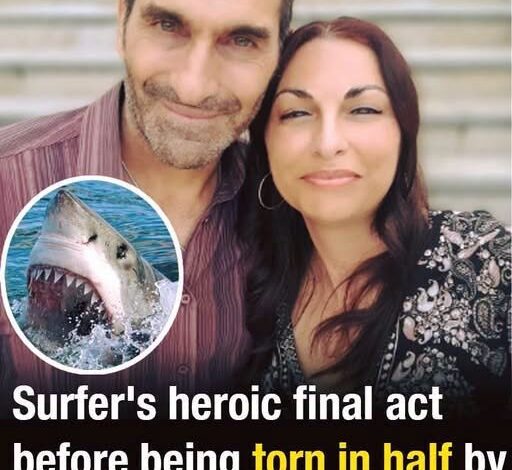
The ocean has always held both beauty and danger for those who venture into its waters, and tragic shark incidents serve as sobering reminders of nature’s power and unpredictability. Recent reports of a surfer’s final moments before a devastating encounter have captured public attention and sparked important conversations about ocean safety, marine conservation, and respect for wildlife habitats. This heartbreaking story highlights risks inherent in water sports while emphasizing need for better awareness and prevention strategies that can help protect both humans and marine life sharing same environments.
The incident occurred during what should have been routine surf session in area known for its waves but also occasional shark activity. Witnesses described seeing the surfer paddling out with confidence before sudden turbulence indicated something had gone terribly wrong. Emergency response teams arrived quickly but unfortunately too late to prevent tragic outcome that left family, friends, and surfing community devastated. Investigations continue examining circumstances surrounding attack while experts analyze patterns that might help predict and prevent similar incidents in future.
Shark encounters, though statistically rare, carry significant emotional impact when they occur due to primal fear they trigger in human psyche. Most species involved in such incidents are not primarily interested in humans as prey but may mistake surfers for seals or other marine animals due to similar silhouettes when viewed from below. Understanding these behavioral patterns helps develop better safety protocols including timing of water activities, group surfing practices, and use of deterrent technologies that reduce likelihood of negative interactions between people and sharks.
Surfing communities worldwide have responded to such tragedies with increased emphasis on education and preparation for potential marine hazards. Local surf shops and organizations offer training sessions about shark behavior, recognition of warning signs, and appropriate response protocols when encounters occur. Technology solutions like shark deterrents and real-time tracking systems provide additional layers of protection for water enthusiasts. These proactive measures demonstrate community’s commitment to enjoying ocean while respecting its wild inhabitants.
Marine biologists emphasize importance of conservation efforts that maintain healthy shark populations while reducing human-wildlife conflict. Sharks play crucial roles in ocean ecosystems as apex predators that help maintain balance among various species. Overfishing and habitat destruction have impacted many shark populations, creating complex challenges for conservationists working to protect both marine life and human safety. Sustainable approaches that consider needs of both people and ecosystems offer best path forward for long-term coexistence.
Family and friends of those affected by shark incidents often face long healing journeys complicated by trauma and public attention surrounding such events. Support networks, counseling services, and community remembrance events help process grief while honoring memory of loved ones who lost their lives doing what they loved. These efforts also contribute to greater awareness about ocean safety and importance of respecting marine environments. Personal stories from survivors and families affected by shark encounters provide powerful testimonies that drive positive changes in how people approach ocean activities.
Prevention strategies continue evolving as researchers study patterns and develop innovative solutions for reducing negative shark-human interactions. Education campaigns, improved beach monitoring systems, and community-based response protocols all contribute to safer ocean environments. Individual surfers can take practical steps like avoiding areas known for higher shark activity during certain times, surfing in groups, and staying alert to environmental cues that might indicate presence of marine predators. These measures, combined with broader conservation efforts, help create sustainable balance between human recreation and marine ecosystem protection.
The tragic incident serves as reminder of ocean’s power and importance of approaching marine environments with respect and preparation. While shark attacks remain relatively rare compared to other ocean hazards, their dramatic nature captures public attention and provides opportunity for meaningful conversations about safety, conservation, and coexistence with wildlife. Surfing communities continue honoring those lost while working toward prevention strategies that allow enjoyment of waves with minimized risks. The surfer’s final moments, though heartbreaking, contribute to ongoing dialogue about responsible ocean stewardship and importance of learning from tragic events to prevent future occurrences.
As investigations continue and communities process loss, focus remains on supporting affected families while advancing knowledge about shark behavior and human safety in shared marine environments. The tragedy underscores need for balanced approaches that protect both people and ocean ecosystems upon which all life depends. Through education, technology, and respect for nature’s power, we can work toward future where tragic incidents become increasingly rare while preserving thrill and beauty of ocean sports that bring so much joy to participants worldwide. The surfer’s story, though ending in tragedy, ultimately contributes to greater understanding and safer practices that honor both human passion for waves and marine life’s right to exist undisturbed in their natural habitat.