VEINS REVEALED: THE SHOCKING TRUTH ABOUT YOUR BODY’S SECRET WARNING SIGNS
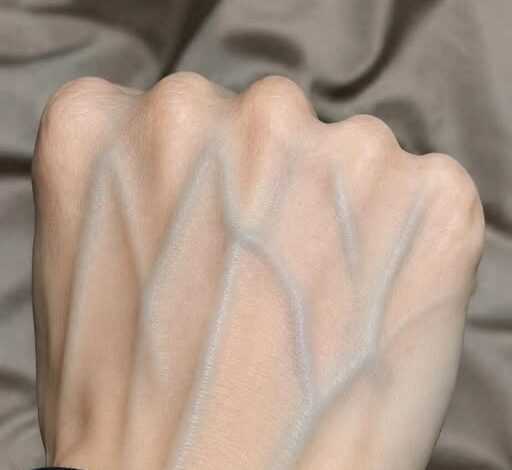
Are your veins suddenly popping out of nowhere, or has your body been screaming a silent alarm for years that you’ve been too busy to notice? While you might think those bulging blue lines are just a side effect of a tough workout or the natural march of time, they could be hiding a much more dangerous reality beneath your skin. Stop ignoring what your circulatory system is trying to tell you before it’s too late. From silent killers to cosmetic concerns, we are breaking down the terrifying, must-know facts about why your veins are suddenly taking center stage.
In our fast-paced world, it is easy to brush off physical changes as mere vanity. We tell ourselves that we are just aging, that the summer sun is to blame, or that our veins are simply more prominent because we have finally hit our fitness goals. While it is true that exercise causes temporary vasodilation—where blood flow increases and vessels expand to meet the body’s oxygen demands—not every case of visible veins is so benign. Your veins are the highways of your life force, and when they begin to manifest in strange, new, or persistent ways, your body is effectively sending you a desperate signal from the inside out.
The most common narrative we tell ourselves regarding our veins revolves around the aging process. As we enter our middle and later years, the dermal layer of our skin naturally begins to thin, losing the collagen and elasticity that once acted as a thick, protective blanket. Consequently, the blue and green networks that were once hidden become visible maps of our vascular health. This is a natural progression, a mark of time that many of us choose to cover with clothing or ignore entirely. However, the dangerous temptation is to assume that every visible vein falls into this category of “normal aging.”
Genetics, too, plays a heavy hand in this internal architecture. Just as you might inherit your mother’s eyes or your father’s height, you may have inherited a predisposition for superficial vascularity. If you have naturally lower body fat, those veins are going to be more apparent, sitting closer to the surface where the skin has less padding. In these instances, the visibility of your veins is a genetic baseline, not a cause for medical alarm. It is a cosmetic trait, much like the color of your hair or the shape of your fingernails. But the problem arises when we rely too heavily on the “it’s just genetics” excuse to avoid seeking professional advice when things change.
What should actually trigger a sense of urgency? It is not necessarily the visibility itself, but the accompanying symptoms that suggest the internal plumbing of your body is beginning to fail. The human circulatory system relies on a series of one-way valves that work against gravity to return blood from the extremities back to the heart. When these valves weaken, the blood begins to pool, creating a localized pressure buildup. This is the origin story of varicose veins—those twisted, swollen, and often painful cords that can appear anywhere from your calves to your thighs. If you notice a sudden onset of aching, throbbing, or swelling in your legs, you are likely witnessing the physical breakdown of these critical valve systems.
The warning signs of more severe vascular distress often come in the form of physical sensations that you cannot simply ignore. If the skin around a prominent vein feels warm to the touch, this can indicate inflammation, a condition known as phlebitis. If the skin begins to discolor, taking on a brownish or reddish hue, it suggests that blood is leaking into the surrounding tissue, leading to a condition called stasis dermatitis. Left untreated, these minor cosmetic issues can evolve into chronic venous insufficiency or even blood clots, which carry risks that extend far beyond the aesthetic. A clot is not merely a nuisance; it is a serious medical event that can lead to life-threatening complications.
So, how do you maintain the integrity of your vascular highway before you are faced with a diagnosis? The answer lies in proactive lifestyle management. Circulation is a “use it or lose it” system. Long periods of sitting at a desk or standing in one position can lead to the very pooling that weakens your valves over time. If your job requires you to be stationary, you must prioritize movement. Simple exercises like calf raises, walking during your lunch break, or elevating your legs at the end of the day can make a monumental difference. These actions assist the muscles in pumping blood back toward the heart, relieving the pressure on your veins and preventing the damage that leads to visible, painful swelling.
Furthermore, maintaining a balanced weight is one of the most effective ways to preserve your vascular health. Excess weight places an unnecessary, constant burden on the veins of the lower body, accelerating the wear and tear of the internal valves. Combined with a diet that supports heart health—rich in fiber and low in processed sodium—you can help ensure that your blood flows freely and efficiently.
Understanding your veins is about more than just looking in the mirror and worrying about the aesthetics of your arms or legs. It is about reading the signs your body leaves for you. Most of the time, the lines you see are harmless. But when your body shifts, when the pain increases, or when the swelling persists, listen. Do not wait for a crisis to decide that your circulatory system deserves attention. By staying observant and maintaining an active, heart-healthy lifestyle, you ensure that the highways of your life keep moving, protecting you from the silent dangers that lurk just beneath the surface. Your health is the only thing you truly own; make sure you are listening to the stories your body is trying to tell you.