Iran Team Leaves Message in World Cup Dressing Room After Adapting to New U.S. Tournament Rules
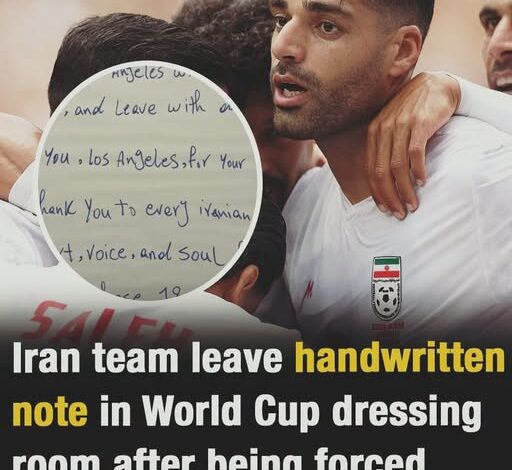
The Iranian national football team’s participation in the FIFA World Cup has attracted significant attention due to a combination of sporting performance, logistical challenges, and wider political context. According to multiple media reports, the team has competed under strict travel conditions during matches held in the United States. These arrangements have reportedly required the squad to limit their time in the country and return to their base in Mexico shortly after each match.
While unusual, these conditions were implemented as part of tournament logistics and security planning across host nations. For weeks leading up to the tournament, there was uncertainty regarding visa approvals for members of the Iranian delegation. Reports indicated that while players and core coaching staff eventually received entry clearance, several non-playing officials were not granted visas. Those reportedly affected included certain administrative personnel and media staff, limiting the size of the traveling delegation.
Despite these restrictions, the squad was still able to participate in the competition after final approvals were issued shortly before their opening match. The team has been based in Mexico during the tournament, traveling to the United States only for match days when required. After each game, they have returned to their training base to continue preparations for upcoming fixtures.
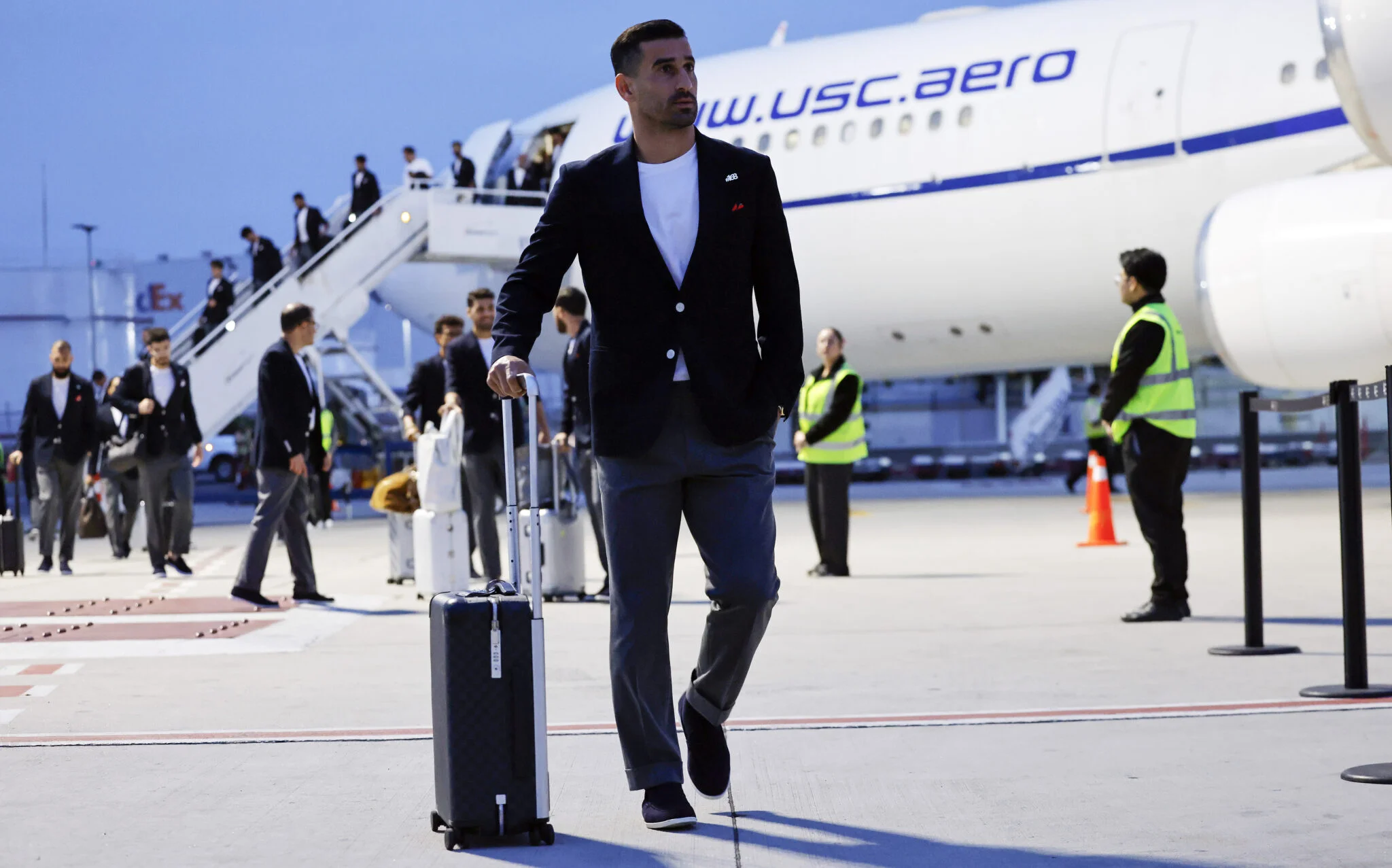
Iranian coach Amir Ghalenoei has publicly commented on the difficulty of maintaining a consistent training schedule under such conditions. He noted that irregular travel and reduced preparation time made it harder for the team to achieve optimal physical and tactical readiness.
Ghalenoei also compared Iran’s situation with other national teams, highlighting differences in arrival schedules and preparation time. His remarks focused on the challenges of adapting to a disrupted routine, especially in a high-level international competition where preparation is considered crucial. Despite these challenges, he emphasized that the team remained focused on performance and committed to competing at their highest possible level throughout the tournament.
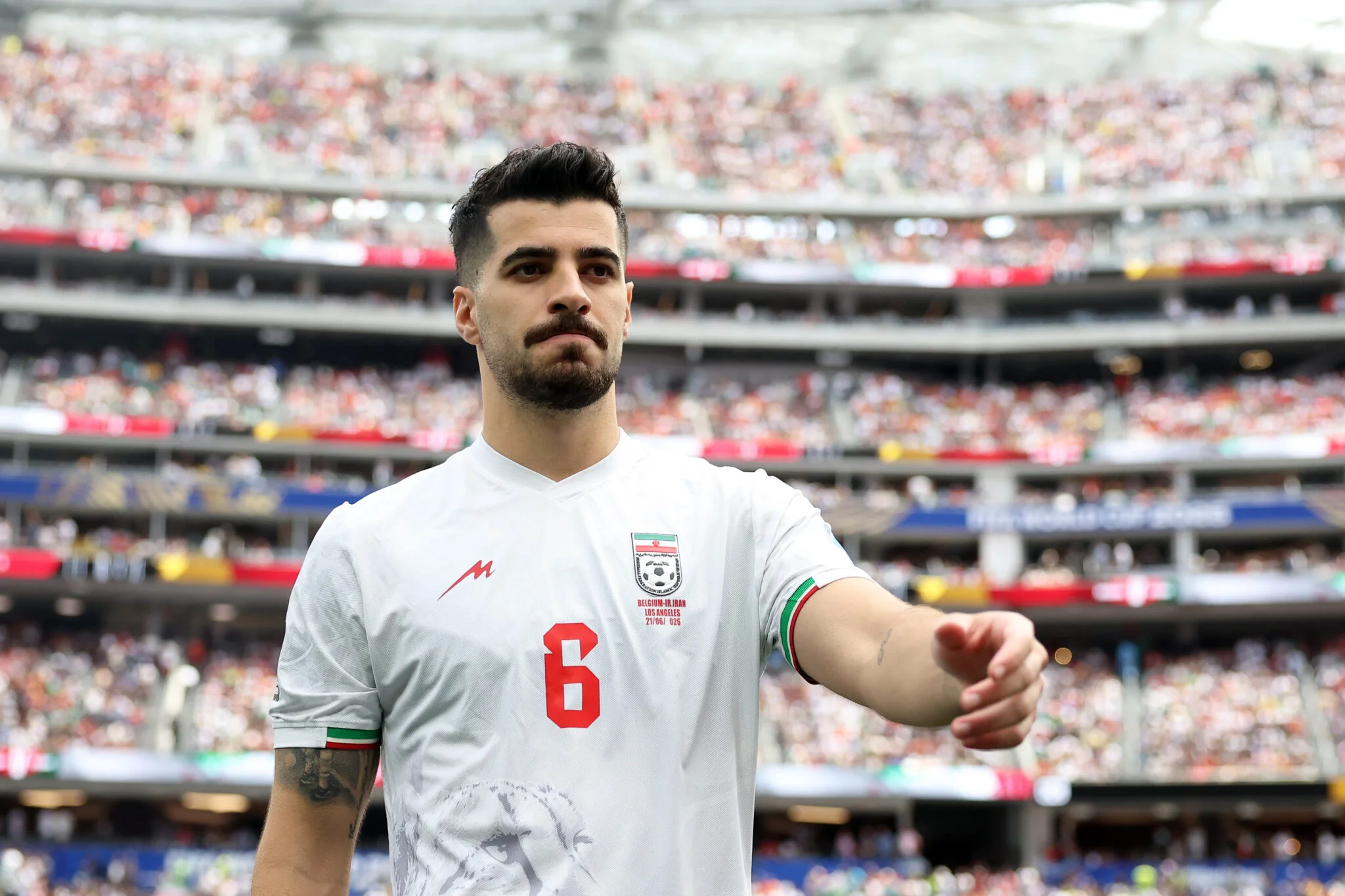
On the pitch, Iran’s performances have reflected a mixed campaign, with the team recording one defeat and one draw in their opening matches. While results remain competitive, the broader discussion surrounding the team has extended beyond football alone. Media coverage has frequently highlighted the logistical structure of their participation, as well as the emotional response from players navigating a complex tournament environment.
One of the most widely reported moments involving the Iranian team occurred after their match in Los Angeles, where they reportedly left a handwritten message in the dressing room before departing. According to posts shared by the Football Federation of Iran and circulated through media platforms, the note reflected pride in their national identity and appreciation for the opportunity to compete on the world stage.
The message referenced the historical legacy of Iran and expressed pride in representing the country at an international level. It also included gratitude toward the host city for its hospitality and acknowledged supporters who followed and encouraged the team during their matches. The tone of the message was described as respectful and focused on unity, sportsmanship, and mutual understanding between nations.
In addition to reflecting on their own experience, the message also emphasized broader themes such as peace, respect, and friendship among countries. This aspect of the statement has been widely noted in media coverage, as it highlights how sports teams sometimes use major international tournaments to express values beyond competition. The message quickly circulated online and became a focal point of discussion among fans and commentators.
Looking ahead, Iran is scheduled to continue its World Cup campaign with a third group-stage match against Egypt in Seattle. The result of this fixture will be crucial in determining their progression in the tournament. Regardless of outcomes, the team’s journey has already drawn attention not only for its sporting aspects but also for the unique circumstances surrounding its participation.
As the tournament continues, Iran’s experience stands as an example of how international football can intersect with logistical, organizational, and diplomatic factors. While the focus remains on performance on the field, the broader narrative surrounding the team has added an additional layer of interest for global audiences following the competition.