My Parents Sued Me Over My Grandfather’s $5 Million Inheritance — Until the Judge Recognized My Name
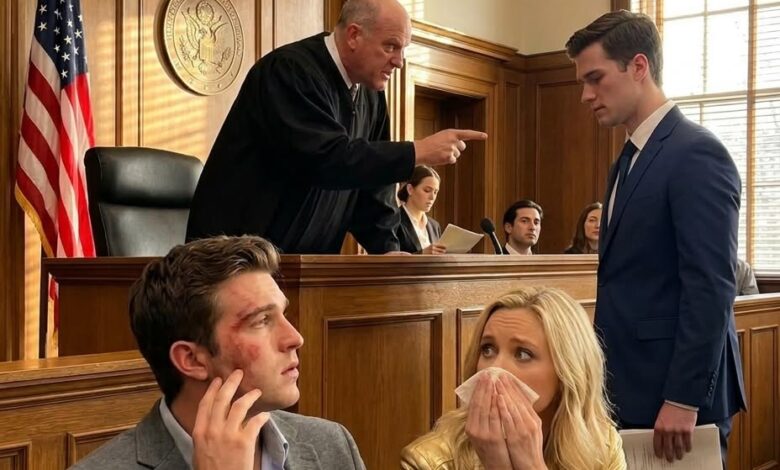
The day my parents took me to court over my grandfather’s $5 million inheritance, they walked in as if the money had already been returned to its “rightful” owners. My mother wore a white coat that made her look innocent enough for sympathy, and my father kept checking his expensive watch like the hearing was only a delay before victory. They told everyone I had manipulated a sick old man, isolated him from his loving family, and tricked him into changing his will. I sat beside my grandfather’s attorney, Glenn Harper, trying to steady my breathing while their lawyer described me as desperate, unemployed, and greedy. Then the judge looked up from the file, stared at my face for a long moment, and said a name my parents had never cared enough to know: “Ethan Carter?”
My grandfather, Richard Ashford, had been the only person in my family who truly saw me. To the world, he was a powerful real estate businessman, but to me, he was the man who asked about my books, listened to my opinions, and told me that kindness was not weakness. My parents, Diana and Mark, saw him differently. To them, he was a source of money, a way to rescue their bad investments and fund the lifestyle they believed they deserved. At his funeral, they sat in the front row performing grief for everyone to see, even though they had barely visited him near the end. I stood in the back remembering the weekends I spent reading to him when his eyes grew tired and holding his hand when he was afraid of dying.
At the reading of the will, my parents expected a fortune. Instead, they inherited the debts connected to failed ventures they had mismanaged, while I was left the rest of my grandfather’s estate: liquid assets, property holdings, and investments totaling about $5 million. My parents immediately contested the will, claiming Richard had been mentally unfit and that I had pressured him. Their attorney painted my care for him as manipulation and my financial struggles as motive. But Judge Malcolm Reyes suddenly recognized me from a case four years earlier. I had been a forensic accounting intern who uncovered hidden financial records in a major corporate fraud case and testified against my own employer, losing my career because I chose the truth over self-preservation.
That recognition changed everything. The judge questioned how a man who had sacrificed his future to expose fraud could suddenly be accused of exploiting the one person who had supported him afterward. Glenn then presented medical affidavits proving my grandfather had been fully competent when he signed the will. He also played voicemails my parents had left for Richard, threatening him when he refused to fund another failed deal. Their polished image collapsed in minutes. The court heard them pressure a dying man, insult me, and treat his final months as an obstacle between them and his money. Then I read my grandfather’s letter aloud — the one where he apologized for not protecting me sooner and explained that he left me the inheritance not out of spite, but to give me freedom.
By the end of the hearing, my parents withdrew their claim, but the judge was not finished. He upheld the will, referred the threatening messages for further review, and issued a protective order preventing them from contacting me. As they left the courthouse, I realized I was not watching my parents walk away with empty hands. I was watching my old life leave with them — the fear, the need for approval, and the belief that I had to stay small to survive. That night, I sat in my small apartment drinking my grandfather’s favorite tea and thinking about what he had really given me. The money mattered, but it was not the greatest gift. He had given me proof that I was worth protecting, permission to build a life on my own terms, and the courage to finally walk toward myself.