The Worst Time To Water Your Garden—And 10 Smart Tips For Doing It Right
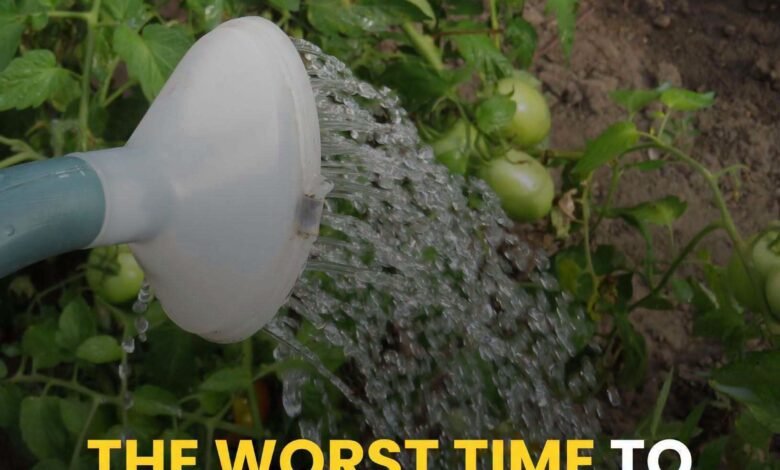
You water your garden whenever you happen to remember, convinced that a quick spray with the hose is enough to keep everything alive. The leaves look greener for a few hours, the soil appears damp, and you walk away believing you’ve done your plants a favor. But beneath the surface, a very different story is unfolding. Every poorly timed watering session may be weakening roots, encouraging disease, wasting gallons of water, and training your plants to become fragile instead of resilient. Garden experts warn that it’s often not the amount of water that’s causing problems—it’s the timing, the technique, and the habits that quietly sabotage healthy growth. If your flowers wilt despite regular watering, your vegetables struggle to thrive, or your lawn constantly looks stressed, the real culprit may be hiding in your daily routine.
Water is the foundation of every healthy garden, but giving plants water without understanding how they use it can actually do more harm than good. Many gardeners assume that watering more frequently automatically leads to healthier plants. In reality, the opposite is often true. Plants develop their strength below the soil, and the way you water directly determines how deep and resilient their root systems become. Shallow, frequent watering encourages roots to remain close to the surface where temperatures fluctuate dramatically and moisture disappears quickly. As a result, plants become dependent on constant watering and struggle whenever conditions become hot or dry. Instead of learning to search deeper for moisture, they become trapped in a cycle of weakness that leaves them vulnerable during every heatwave.
One of the biggest mistakes occurs during the hottest part of the day. It’s easy to assume that plants suffering under blazing sunshine need immediate relief, but midday watering often creates more problems than solutions. As temperatures climb, much of the water evaporates before it can penetrate deeply into the soil. Strong sunlight and wind accelerate this evaporation even further, meaning a significant portion of the water never reaches the roots where it’s actually needed. While the occasional emergency watering during extreme heat won’t destroy your garden, making it a daily habit wastes both water and money while providing only temporary relief.
Late evening watering presents a different set of challenges. Although cooler temperatures reduce evaporation, moisture that remains on leaves overnight creates ideal conditions for fungal diseases, mildew, leaf spot, and other plant infections. Without sunlight or airflow to dry the foliage, leaves can remain wet for hours, giving harmful fungi exactly the environment they need to spread. Many gardeners unknowingly create these conditions night after night, wondering later why their roses develop black spot, their tomatoes suffer from blight, or their cucumbers suddenly become covered in powdery mildew.
The most effective time to water is early in the morning, ideally shortly after sunrise. During these calm, cool hours, evaporation is minimal, allowing water to soak deeply into the soil before temperatures begin to climb. Plants have the entire day to absorb moisture while any water that lands on leaves dries naturally as the morning warms. This simple shift in timing dramatically improves water efficiency while reducing disease risk. Professional gardeners and horticulturists consistently recommend morning watering because it works with nature rather than against it.
Just as important as timing is the depth of watering. Many people make the mistake of giving plants a light sprinkle every day, barely moistening the top inch of soil. Although the surface appears wet, very little moisture reaches the deeper root zone where it’s needed most. Instead, experts recommend watering less frequently but much more thoroughly. A slow, deep soaking encourages roots to grow farther into the ground where temperatures remain cooler and moisture lasts longer. These deeper roots create stronger, healthier plants that can tolerate periods of drought with far less stress.
Different plants naturally require different amounts of water, yet many gardens are watered as though every flower, shrub, vegetable, and tree has identical needs. In reality, drought-tolerant lavender requires far less moisture than thirsty hydrangeas. Succulents need dramatically different watering schedules than leafy vegetables, while newly planted shrubs demand much more attention than mature trees with established root systems. Grouping plants with similar water requirements makes irrigation far more efficient and helps prevent both overwatering and underwatering.
The condition of your soil also plays a critical role. Sandy soil drains quickly, requiring more frequent deep watering because moisture passes through rapidly. Heavy clay soil behaves very differently, holding water for extended periods but draining slowly. Applying the same watering schedule to every type of soil rarely produces good results. Learning how your soil retains moisture allows you to adjust watering accordingly rather than relying on a fixed routine that may not match your garden’s actual needs.
One of the simplest yet most overlooked gardening techniques is adding mulch around plants. A generous layer of organic mulch acts like a protective blanket over the soil, dramatically reducing evaporation while keeping root temperatures more stable. Mulch also suppresses weeds that compete with your plants for valuable moisture and gradually improves soil quality as it breaks down. During hot summer months, properly mulched beds often require significantly less watering than exposed soil because the moisture remains trapped beneath the surface for much longer.
Modern watering tools can also improve efficiency considerably. Soaker hoses and drip irrigation systems deliver water slowly and directly to the root zone rather than spraying it into the air where much of it evaporates. Because these systems keep foliage relatively dry, they also reduce many common fungal diseases associated with overhead sprinklers. For gardeners looking to conserve water while maintaining healthy landscapes, drip irrigation remains one of the most effective long-term investments available.
Rain barrels provide another practical solution by collecting water that would otherwise disappear into storm drains. Using naturally collected rainwater not only reduces utility costs but also provides plants with water free of chlorine and other treatment chemicals commonly found in municipal supplies. During dry seasons, even a modest rain barrel can supply enough water for containers, flower beds, and vegetable gardens while reducing demand on household water systems.
One of the most valuable gardening skills is learning to recognize the subtle signals plants provide before serious stress develops. Hydrangeas often droop noticeably during hot afternoons before recovering naturally in the evening, making it important not to mistake temporary heat stress for dehydration. Container plants dry out faster than garden beds because their limited soil volume holds less moisture. Lawns that retain footprints after being walked on frequently indicate the grass is becoming dehydrated. Rather than automatically reaching for the hose, experienced gardeners first examine the soil itself.
Testing soil moisture is remarkably simple yet surprisingly underused. Insert your finger two or three inches into the soil near the plant’s base. If the soil still feels cool and moist beneath the surface, watering can often wait another day. If it feels dry throughout, it’s time for a thorough soaking. This small habit prevents countless cases of overwatering, which can suffocate roots just as effectively as drought damages them.
Weather should always influence watering decisions. Watering according to a fixed calendar while ignoring rainfall often leads to unnecessary irrigation. After significant rain, healthy soil may retain sufficient moisture for several days, especially when protected by mulch. Likewise, periods of strong wind, unusually high temperatures, or extended drought may require temporary adjustments. Paying attention to weather forecasts allows gardeners to work with natural rainfall instead of competing against it.
Overwatering creates problems that many people mistake for underwatering. Yellowing leaves, poor growth, root rot, mold, fungus gnats, and declining plants often result from soil that stays constantly saturated. Plant roots require oxygen as much as they require water, and permanently wet soil deprives them of the air they need to survive. Understanding this balance helps gardeners resist the temptation to water simply because it feels productive.
Healthy gardens aren’t built through constant intervention but through thoughtful observation. Once you begin watching how your plants respond throughout the day, you start recognizing patterns that were previously invisible. You notice which areas dry first, which plants tolerate heat, which containers require extra attention, and which beds naturally retain moisture longer. Gardening becomes less about reacting to problems and more about anticipating what your plants truly need.
The transformation often begins with a single change: waking up a little earlier to water before the day grows hot. Add deep soakings instead of shallow sprinkles, protect the soil with mulch, pay attention to weather conditions, and learn to trust what the soil tells you rather than watering on habit alone. Over time, you’ll notice healthier roots, stronger stems, brighter flowers, more productive vegetables, and lower water bills. Instead of constantly rescuing stressed plants, you’ll create a garden that quietly thrives through every season because you’re finally working alongside nature instead of unknowingly fighting against it.