I Found This Bizarre White Stick in My Son’s Room and Panic Set In—Then I Discovered the Truth
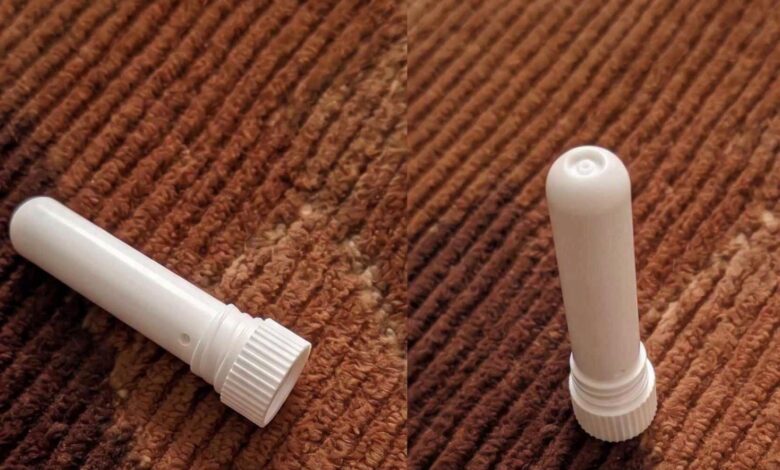
My heart nearly stopped the moment I spotted the small white tube tucked beneath the edge of my son’s bed. It looked completely out of place, almost as if it had been hidden on purpose. Within seconds, my imagination took over. I had read countless articles warning parents about disguised vaping devices, hidden surveillance gadgets, and new products designed to look harmless while serving completely different purposes. Standing there in the silence of his room, I felt an overwhelming sense of dread. I didn’t want to believe my son could be hiding something dangerous, but I also couldn’t ignore the knot forming in my stomach.
Being a parent often means living with a constant undercurrent of worry. Every news story about social media trends, dangerous substances, or hidden technology lingers somewhere in the back of your mind. You want to trust your child, but you also know the world changes faster than you can keep up. Every unfamiliar object suddenly feels suspicious, every unexplained item becomes another reason to question whether you’ve missed something important. That tiny white tube quickly became the center of every fear I had tried to suppress.
I picked it up carefully, turning it over in my hand. There were several small openings near the top, no obvious label I recognized, and nothing about it immediately explained its purpose. The more I examined it, the more convinced I became that it must be some kind of electronic device. I imagined conversations with school counselors, difficult discussions about peer pressure, and the possibility that my son had been hiding a secret for months without me noticing.
For nearly an hour I debated walking straight into his room and demanding an explanation. Part of me wanted immediate answers, while another part worried I might accuse him unfairly. Trust takes years to build but only moments to damage. I knew that if I confronted him without knowing the facts, I might create a problem where none existed. So instead of letting fear control me, I decided to investigate before saying a single word.
I snapped a photo of the object and began searching online. At first, the results only fueled my anxiety. Hundreds of unfamiliar gadgets appeared, each looking vaguely similar to the item in my hand. Some were electronic accessories, others were health products, and a few looked suspicious enough to keep my heart racing. I clicked through article after article, comparing pictures, reading product descriptions, and hoping I would eventually find an answer.
Finally, after nearly an hour of searching, I came across an image that matched perfectly. The mysterious object wasn’t a vaping device, hidden camera, or tracking gadget at all. It was simply a Vicks-style nasal inhaler designed to help relieve nasal congestion caused by colds or seasonal allergies. Those tiny holes that had seemed so suspicious were nothing more than air vents allowing menthol vapors to circulate when someone inhaled through the tube.
The relief I felt was almost overwhelming. I laughed at myself, partly from embarrassment and partly because of how quickly my imagination had transformed an ordinary health product into evidence of some elaborate secret. Hours of anxiety disappeared in an instant, replaced by a valuable lesson about how easily fear can distort reality.
These small inhalers have been around for decades. Millions of people keep them in backpacks, purses, desk drawers, or bedside tables during allergy season. They’re inexpensive, portable, require no batteries, and are designed to provide temporary relief from stuffy noses using menthol and aromatic vapors. My son hadn’t been hiding anything scandalous—he had simply been trying to breathe more comfortably during a week when pollen counts were unusually high.
As I thought about the afternoon I’d spent worrying, I realized how much modern parenting is shaped by information overload. Every day we are exposed to alarming headlines about new dangers facing children. While many of those concerns are legitimate, they can also leave parents constantly expecting the worst. Our brains become conditioned to interpret unfamiliar situations as potential threats rather than ordinary misunderstandings.
That constant state of alertness can sometimes overshadow one of the most important parts of parenting: trust. Children notice when they’re constantly treated as suspects instead of individuals deserving of honest conversation. Had I confronted my son immediately, I would have walked into his room carrying accusations instead of questions. Even if he understood my concern, the conversation would have begun with doubt instead of respect.
The experience reminded me that curiosity is far more useful than assumption. Taking the time to learn about something unfamiliar prevented an unnecessary conflict and allowed me to approach the situation with understanding rather than fear. Instead of damaging our relationship over a harmless misunderstanding, I gained confidence in my ability to pause, research, and respond thoughtfully.
It also highlighted how appearances can be remarkably deceptive. Countless everyday objects—from medical devices to electronic accessories—look unfamiliar if you’ve never encountered them before. A simple internet search or a calm conversation can often provide answers that panic never will. The most frightening explanation is rarely the correct one.
Later that evening, I casually asked my son whether his allergies had been bothering him lately. He smiled, reached into his backpack, and mentioned that he’d picked up a nasal inhaler after soccer practice because his nose had been completely blocked. He had forgotten another one under his bed weeks earlier. The entire conversation lasted less than a minute, completely free of tension, because I had taken the time to understand the situation first.
That small white tube taught me something far bigger than its purpose. It reminded me that good parenting isn’t about assuming the worst; it’s about balancing awareness with trust. Staying informed about genuine risks is important, but so is resisting the temptation to let fear fill in the blanks whenever we encounter something unfamiliar.
Today, whenever I find myself jumping to conclusions, I think back to that afternoon. I remember how a harmless nasal inhaler briefly became the center of an imaginary crisis simply because I allowed anxiety to outrun reason. Now I try to pause, ask questions, gather facts, and breathe before reacting. More often than not, the simplest explanation really is the right one—and preserving trust is far more valuable than winning an argument that never needed to happen in the first place.