Last night, we discovered this in our bed, and my husband and I are really panicking.
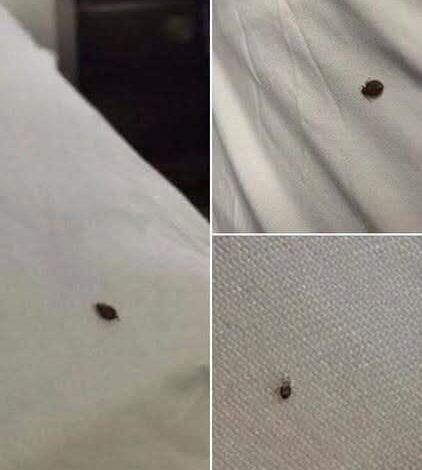
What to Do If You Find a Tick in Your Home
Ticks are among the most unwelcome household pests, and for good reason. Although they are tiny, they can carry bacteria and other pathogens that may cause serious illnesses, including Lyme disease and Rocky Mountain spotted fever. If you discover a tick in your home or attached to someone’s skin, acting promptly and safely can help reduce the risk of further exposure.
Identify the Tick and Limit Exposure
If possible, determine what kind of tick you’ve found, such as a black-legged tick, a dog tick, or a brown dog tick. While you don’t need to identify the exact species before removing it, knowing the type can sometimes be helpful if medical advice is needed later. Keep children and pets away from the area until you’ve removed the tick and cleaned the surrounding space.
Protect Yourself
Before handling a tick, put on disposable gloves if available. Wearing long sleeves and avoiding direct skin contact can help reduce the chance of another tick attaching itself to you while you remove or dispose of it.
Clean the Area Thoroughly
Ticks may hide in bedding, clothing, furniture, or small cracks around the home. Wash any potentially exposed clothing, blankets, or pet bedding in hot water and dry them on a high heat setting, as heat is effective at killing ticks. Vacuum carpets, upholstered furniture, baseboards, and other areas where a tick may have been present, paying close attention to corners and crevices. Empty the vacuum container or bag promptly afterward.
Remove a Tick Safely
If a tick is attached to your skin, remain calm. Using fine-tipped tweezers, grasp the tick as close to the surface of the skin as possible. Pull upward slowly and steadily without twisting or jerking, which can increase the chance of leaving mouthparts behind. After removing the tick, wash the bite area and your hands thoroughly with soap and water or clean the area with rubbing alcohol. To dispose of the tick, place it in alcohol, seal it inside a bag or container, wrap it securely in tape, or flush it down the toilet.
Watch for Symptoms
Over the next several days or weeks, keep an eye on the person who was bitten. Seek medical advice if symptoms such as fever, rash, fatigue, muscle aches, joint pain, or signs of infection develop. If you believe the tick may have been attached for an extended period or you have concerns about possible disease exposure, contact a healthcare professional for guidance.
Prevention Is the Best Defense
Although ticks are small, they can pose significant health risks. Regularly checking pets, inspecting clothing after spending time outdoors, keeping grass trimmed, and removing leaf litter around your home can help reduce tick activity. By acting quickly when you find a tick and following proper prevention measures, you can better protect yourself, your family, and your pets from tick-borne illnesses.