You Might Be Ignoring a Deadly Ticking Time Bomb on Your Own Skin
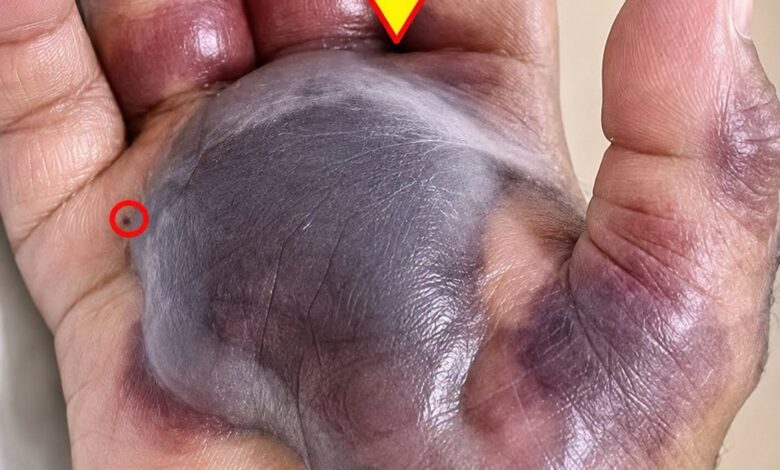
I almost lost my finger to a rose thorn. It wasn’t a dramatic accident or a deep, jagged laceration that sent me to the emergency room; it was just a tiny, innocuous scratch I barely felt while pruning my garden. I brushed it off, applied a basic bandage, and moved on with my life, blissfully unaware that a silent, invisible assassin was already burrowing deep into my bloodstream. Three days later, I was staring at a terrifying, glowing red streak racing up my arm, marking the path of a lethal infection that brought me to the precipice of a medical catastrophe.
We all treat skin injuries with a dangerous amount of casual indifference. A paper cut from a bill, a shallow scrape from a kitchen mishap, or a bothersome mosquito bite are dismissed as trivial annoyances. We assume our bodies are invincible, that the skin acts as an impenetrable shield that heals itself like magic. But the reality is far more fragile. That microscopic break in your skin is a wide-open gateway for ruthless bacteria to enter your body, multiply in the warmth of your tissue, and potentially trigger a systemic, life-threatening infection before you even realize you are in danger.
My terrifying encounter with cellulitis—a serious bacterial skin infection—was a harsh wake-up call. The initial redness around the thorn scratch seemed like normal healing, but as it began to creep upward, morphing into a pulsing, heat-radiating streak, the gravity of my situation became undeniable. If I had waited another twenty-four hours to seek professional help, the outcome could have been drastically different. I was fortunate to catch it just as it was spiraling out of control, requiring immediate, aggressive antibiotic treatment to stop the spread. That experience shattered my complacency. I learned the hard way that when it comes to the integrity of our skin, ignorance is not bliss—it is a massive liability.
While the vast majority of everyday scrapes, cuts, and insect bites resolve without incident, viewing them as inherently harmless is a significant error in judgment. Your skin is the fundamental frontline of your body’s defense system against the onslaught of viruses, bacteria, and other environmental pathogens. When that barrier is compromised, the clock starts ticking. The infection process is disturbingly efficient: pathogens enter through the breach, thrive in the moist, warm environment under the surface, and trigger a massive immune response that manifests as inflammation. If your immune system becomes overwhelmed or is compromised by other health factors, that localized issue can rapidly escalate into a systemic crisis.
Certain individuals face a significantly higher risk of these complications. Older adults often deal with thinner, less elastic skin and a slower, less efficient immune response. Individuals managing diabetes frequently struggle with compromised circulation and delayed wound healing, making them prime targets for stubborn infections. Those with pre-existing immune system weaknesses, whether due to chronic illnesses, specific medications like steroids or chemotherapy, or underlying skin conditions, must be exceptionally vigilant. For these groups, a “minor” cut is never actually minor; it is a serious medical event that demands immediate attention.
So, how can you distinguish between a standard healing process and an infection that requires a doctor’s intervention? You must know the red flags. First, look for spreading redness. While some initial redness is expected, an expanding border or, even more dangerously, red streaks radiating away from the wound, are critical warning signs of a spreading infection. Second, monitor for worsening pain. If the discomfort intensifies rather than fading, or if it transforms into a deep, throbbing ache that seems entirely out of proportion to the size of the injury, you need to be concerned. Third, track swelling that increases instead of subsiding, often accompanied by skin that feels unnaturally tight or distorted.
Furthermore, pay close attention to heat. An infected area will often feel distinctly warmer than the surrounding, uninjured skin, and this heat will persist or grow more intense over time. Do not ignore systemic symptoms either; if you develop a fever of 100.4°F or higher, experience unexpected chills, sudden fatigue, or a general, pervasive sense of feeling unwell, the infection may already be spreading beyond the local site. Additionally, watch the drainage. Clear or slightly yellowish fluid is standard, but thick, cloudy, foul-smelling pus is a definitive marker of bacterial involvement. Finally, the most common indicator is simple persistence: if the wound shows zero improvement after two or three days, or if it appears to be getting deeper or larger, you must prioritize professional medical evaluation over self-treatment.
If you recognize these symptoms, immediate action is paramount. Do not adopt a “wait and see” approach. Contact your primary care physician immediately to describe your observations and seek guidance. To track the progression of the infection, use a pen to draw a line around the edge of the redness; this visual aid allows you to objectively measure whether it is expanding over the next several hours. Keep the site clean and dry by gently washing it with mild soap and water, and always cover it with a fresh, sterile bandage. Crucially, do not attempt to “pop” or drain the area yourself, as this often introduces new bacteria and pushes the infection deeper into your tissue. While over-the-counter pain relievers can manage discomfort, they do nothing to address the underlying infection, so they should never replace professional care.
Ultimately, we must shift our perspective on wound care. For minor abrasions, effective management is straightforward: gently clean the area, apply a thin layer of antibiotic ointment, and protect it with a clean bandage that you change daily. When dealing with insect bites, resist the urge to scratch, as the trauma to the skin is exactly how bacteria gain entry. Use cold compresses and anti-itch creams to manage the symptoms. Maintain a standard of hygiene that includes washing your hands before touching any wound and using clean tools if you must deal with splinters or nail care.
Trust your instincts. If something feels wrong, it likely is. Your health is not worth the risk of misplaced optimism. A few minutes of vigilance can save you from a potentially life-altering experience. The next time you sustain a cut, no matter how small, treat it with the respect it deserves—because beneath the surface, your body is fighting a battle you cannot afford to lose.