The Grocery Store Killer: Is That Bloated Package Hiding a Deadly Secret?
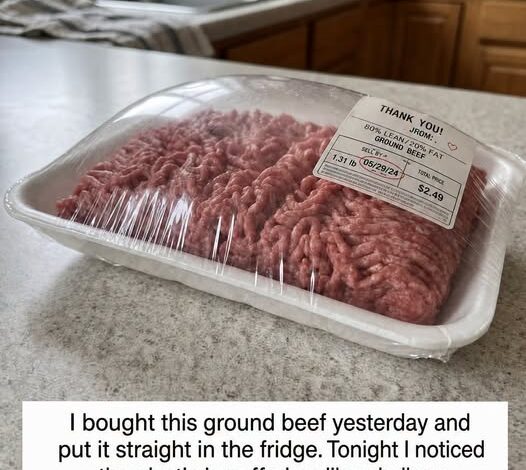
You pick up a package of deli meat or a block of cheese, and your stomach drops. It’s swollen, puffy, and looks ready to burst. You tell yourself it’s just air, a minor manufacturing glitch, or perhaps a change in cabin pressure during shipping. But beneath that taut, stretched plastic, a silent, microscopic war is raging. You are holding a ticking time bomb of bacterial growth that could send you or your loved ones straight to the emergency room. Before you toss that item into your grocery cart, you need to understand the terrifying truth about why your food is inflating.
The presence of gas inside a food package is not always an accident; it is a complex intersection of chemistry, packaging technology, and, occasionally, dangerous biological decay. To navigate the grocery store safely, you must learn to distinguish between intentional food preservation and the ominous swelling that signals a hazardous product.
The first step in demystifying these puffy packages is recognizing that manufacturers are not always trying to cheat you. In the world of snack foods, “puffy” is actually a feature, not a bug. If you have ever opened a bag of potato chips, popcorn, or crackers only to find it half-empty, you might have felt cheated. In reality, that extra space is crucial. Manufacturers flush these bags with nitrogen gas rather than common atmospheric air. Nitrogen is an inert, tasteless gas that displaces oxygen—the primary culprit behind staleness. By removing oxygen, the chips remain crisp and flavorful for months. Furthermore, that pocket of nitrogen acts as a protective cushion, preventing the delicate contents from being crushed into crumbs during the chaotic journey from the factory floor to the supermarket shelf. If your bag of chips feels inflated, breathe easy; it is doing exactly what it was designed to do.
However, the rules change entirely when you move from the dry goods aisle to the refrigerated section. This is where the distinction between “cushioning” and “contamination” becomes a matter of food safety. Perishable items such as deli meats, soft cheeses, fresh sausages, seafood, and prepared meals are almost always sealed tightly to minimize oxygen exposure. Because these products are rich in moisture and nutrients, they are a breeding ground for microorganisms like bacteria, mold, and yeast.
When these microorganisms invade, they don’t just sit dormant; they feast. As they consume the nutrients within the food, they engage in metabolic processes that produce gaseous byproducts, most notably carbon dioxide. Because these packages are airtight, the gas has nowhere to go. It builds up against the plastic film, causing the package to expand and bloat. While not every bacteria that produces gas is immediately lethal, a swollen package is a definitive red flag that the product’s internal environment has been compromised. If you see a vacuum-sealed package that has lost its tight fit or is bulging outwards, you are essentially looking at the visible evidence of active decomposition.
The stakes become even higher when dealing with canned goods. Unlike the flexible plastic of a cheese package, a metal can is engineered to be rigid and flat. Both the top and the bottom of a can should remain perfectly level. If you notice even a slight bulge at either end of a can, it is imperative that you leave it on the shelf. A bulging can is a classic indicator of severe spoilage, often associated with the presence of dangerous anaerobic bacteria. In extreme cases, this gas buildup can be a sign of botulism, a rare but potentially fatal form of food poisoning. Beyond swelling, you should also rigorously inspect canned goods for rust, visible leaks, deep dents along the seams, or cracked seals. If a can appears compromised in any way, the integrity of the food inside is suspect, regardless of what the expiration date says.
It is natural to wonder if you can ever safely buy a slightly puffy refrigerated item. While altitude and extreme temperature fluctuations can sometimes cause minor expansion in plastic packaging, it is rarely worth the risk. The “better safe than sorry” rule is the gold standard of food safety. If you are ever in doubt, choose a different package.
Shopping with safety in mind requires developing a few consistent habits. Before you commit to an item, practice the “all-sides inspection.” Don’t just grab the first item off the shelf. Rotate it. Look for tears, punctures, liquid leaks, or damaged seals. Packaging should always appear crisp, clean, and structurally sound. Furthermore, recognize that while expiration and “best by” dates are helpful, they are not ironclad guarantees. A product can spoil prematurely due to a manufacturing defect, a torn seal, or improper handling at the store level.
Your role in food safety also extends beyond the checkout counter. Perishable items should always be the very last things you place in your cart, and they should be transported home in a refrigerated environment. Leaving a package of ground beef or fresh pasta in a hot car for thirty minutes can trigger the rapid multiplication of bacteria, turning a fresh product into a health risk before you even reach your kitchen. Once home, prioritize storing these items in the coldest parts of your refrigerator and follow the storage instructions on the label to the letter.
Finally, trust your instincts. Even if a package looks perfect, your senses are the ultimate gatekeepers. Upon opening a container, watch for warning signs: an unpleasant or sour odor, the presence of mold, an unexpected slimy texture on meats or cheeses, bubbling liquids, or strange discoloration. Bacteria and spoilage organisms often alter the chemical composition of food in ways that smell or taste “off” long before they cause significant visual changes. If your food looks, smells, or feels wrong, discard it immediately. Protecting your health is well worth the cost of a single spoiled item. By staying vigilant and understanding the science behind your food packaging, you can drastically reduce your risk of foodborne illness and ensure that every meal you serve is as safe as it is delicious.