Olympics Fans Stunned by Jutta Leerdam’s Viral Moment — And the Earnings It Could Bring
At the 2026 Winter Olympics in Milan-Cortina d’Ampezzo, Dutch speed skating star Jutta Leerdam didn’t just dominate on the ice — she dominated global headlines.
While her record-breaking performance earned her Olympic gold, it was a spontaneous post-race celebration that ignited worldwide discussion about athlete branding, viral visibility, and the future of sports marketing.
In the span of seconds, Leerdam’s emotional reaction to victory transformed from a personal moment into a global marketing phenomenon.
A Historic Performance on the Ice
On February 9, 2026, Leerdam delivered one of the most electrifying performances of the Games in the women’s 1,000 meters. Clocking in at 1:12.31, she set a new Olympic record and secured her first Olympic gold medal.
She later added a silver medal in the 500 meters, reinforcing her position as one of the premier sprint speed skaters in the world.
These achievements alone would have cemented her status in Olympic history. But what happened next amplified her visibility far beyond the sport itself.
The Celebration That Went Global
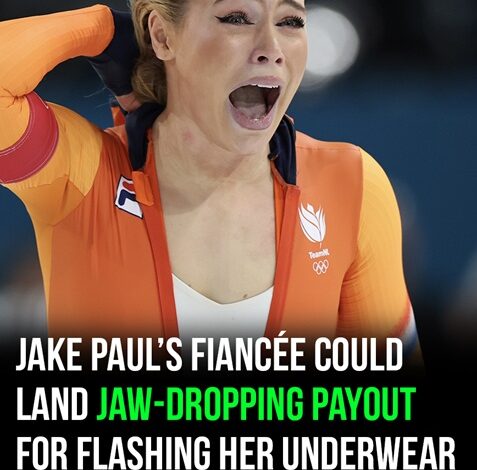
Moments after crossing the finish line, overwhelmed with emotion, Leerdam unzipped the top of her racing suit — a common action among skaters cooling down after competition.
However, the timing, framing, and emotional intensity of that moment made it unforgettable.
Cameras captured her revealing the Nike sports bra she was wearing underneath — and within hours, the image spread worldwide.
Nike’s official Instagram account, boasting hundreds of millions of followers, posted the celebratory shot. News outlets picked it up. Social platforms amplified it. The moment quickly became one of the defining visual highlights of the Games.
The Marketing Impact
Marketing experts immediately began analyzing the exposure value of that split second.
According to industry estimates, the viral reach — combined with Nike’s global platform — could translate into significant commercial opportunity. Some analysts suggest that the visibility alone may represent over $1 million in promotional value.
It’s important to clarify: this figure does not represent Olympic prize money. The International Olympic Committee does not pay athletes directly for medals.
Instead, the value comes from brand amplification, sponsorship leverage, and long-term endorsement potential created by viral global exposure.
Olympic Sponsorship Rules and Clarity
The Olympic Games operate under strict advertising regulations. Athletes may not overtly promote non-Olympic sponsors during competition broadcasts.
However, organic moments — especially emotional reactions — fall into a different category. Leerdam’s unzipping of her suit was not a staged endorsement but a natural post-race action.
Officials reportedly determined that no ambush marketing violation occurred, and no formal action was taken.
The viral nature of the moment appears to have been entirely organic.
Built for This Era
Leerdam entered the 2026 Olympics with more than athletic momentum — she arrived with a massive digital following.
With over 6 million Instagram followers and millions more across platforms like TikTok, she had already established herself as one of the most socially influential winter athletes in the world.
In today’s sports economy, digital reach carries real financial weight. Sponsored posts for global brands can command significant fees depending on engagement metrics and audience loyalty.
Her Olympic record, paired with viral visibility, places her in an elite commercial category.
Beyond Nike: A Cultural Moment
The impact extended beyond one brand.
Dutch retailer HEMA quickly posted playful social media content referencing the emotional scene, showing how even unrelated companies tapped into the cultural energy of the moment.
This illustrates a key shift in modern sports: emotional authenticity drives engagement, and engagement drives opportunity.
In an era where audiences crave genuine reactions, Leerdam’s unfiltered celebration resonated deeply.
National Rewards and Athlete Bonuses
While global sponsorship headlines dominate discussion, it’s worth noting that Dutch Olympic medalists receive national performance bonuses.
Reportedly, a gold medal in the Netherlands can earn an athlete approximately $35,000 from national sports authorities — separate from endorsements.
However, these bonuses pale in comparison to long-term brand potential unlocked by viral exposure.
A New Model for Athlete Influence
Jutta Leerdam’s story reflects a broader evolution in elite sport.
Success is no longer measured solely by medals. It’s measured by connection, influence, and authenticity.
A single emotional moment — once fleeting — now lives permanently online, accumulating value with every share, repost, and headline.
Her Olympic triumph secured her place in speed skating history. But her viral celebration may secure her place among the most marketable winter athletes of her generation.
Conclusion
Jutta Leerdam’s 2026 Olympic journey is about more than blistering speed on ice.
It’s about how performance, personality, and digital reach intersect in modern sport.
Her gold medal proved her athletic dominance. Her viral moment proved her global impact.
In today’s media landscape, the two go hand in hand.