The Shocking Secret Behind Dark Neck Patches: The Deadly Health Warning Hiding on Your Skin
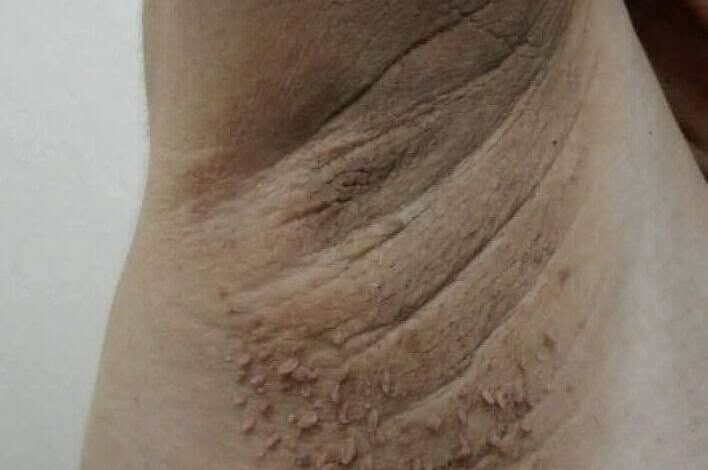
You glance in the bathroom mirror, wiping away the morning haze, when a dark, velvety shadow along the back of your neck catches your eye. You rub at it with a damp washcloth, assuming it is just a stubborn smudge of dirt, friction from a collar, or a temporary tan line. But no matter how hard you scrub, the dark mark remains completely untouched. Thousands of people dismiss these subtle skin changes every single day, brushing them off as minor cosmetic flaws. What they fail to realize is that their body is flashing a vital warning light about a silent, hidden crisis unfolding deep within their blood vessels.
This peculiar dermatological manifestation is known in the medical world as acanthosis nigricans. It typically manifests as hyperpigmented areas of skin that become noticeably darker, significantly thicker, and distinctly velvety in texture compared to the surrounding tissue. The discoloration itself can range from a light grayish hue to a deep, rich brown or charcoal tone, depending entirely on an individual’s natural skin pigementation. Rather than feeling rough, dry, or scaly, the affected areas usually feel surprisingly soft, slightly raised, or plush to the touch.
While these velvety patches can technically appear anywhere on the human body, they overwhelmingly favor natural skin folds and creased areas. The most common site of development is the back and sides of the neck, followed closely by the underarms and the groin area. However, it is not uncommon for individuals to spot these changes across their elbows, knees, knuckles, or underneath the breasts. In rarer or more extensive cases, the hyperpigmentation can even extend to the face, belly button, palms, or the mucous membranes around the lips.
It is crucial to understand that acanthosis nigricans is not an isolated disease in and of itself; rather, it serves as a physical biomarker—a visible biological sign pointing toward an underlying physiological shift. By far the most common driver of this condition is insulin resistance. When cellular receptors throughout the body become resistant to insulin, the pancreas responds by overproducing this vital hormone to keep blood sugar levels stable. Excessively high concentrations of circulating insulin in the bloodstream inadvertently stimulate skin cells, causing them to proliferate at an unnaturally rapid rate. This surge in cell growth leads directly to the characteristic thickening and hyperpigmentation seen on the surface of the skin.
Because insulin resistance is intrinsically tied to metabolic function, acanthosis nigricans is frequently observed in individuals diagnosed with prediabetes, Type 2 diabetes, or metabolic syndrome. Excess body weight significantly amplifies this metabolic strain, making skin changes particularly prevalent among those managing obesity. However, metabolic issues are far from the only cause. A wide array of endocrine and hormonal imbalances can also trigger these velvety patches. Conditions such as polycystic ovary syndrome, Cushing syndrome, and hypothyroidism frequently disrupt hormone levels enough to affect skin cell growth and pigmentation patterns.
In addition to systemic health conditions, certain pharmaceutical interventions can cause acanthosis nigricans as a secondary side effect. High-dose prescription corticosteroids, specific hormonal therapies, concentrated niacin supplements, and treatments that influence growth hormones are all known potential triggers. Furthermore, genetic factors can occasionally play a role; some families possess an inherited predisposition to the condition, causing dark patches to appear during early childhood entirely independent of weight or blood sugar levels.
In extremely rare instances, the sudden appearance of extensive acanthosis nigricans can signal an aggressive internal malignancy, most notably gastric adenocarcinoma or other gastrointestinal cancers. When associated with an underlying tumor, the skin changes typically erupt rapidly, spread aggressively across widespread areas, and frequently involve unusual anatomical regions such as the palms of the hands or the inside of the mouth. While the overwhelming majority of cases stem from common metabolic or hormonal causes, sudden or rapid changes always warrant a comprehensive medical examination to rule out systemic illness.
For most individuals living with acanthosis nigricans, the physical patches themselves cause no pain, physical discomfort, or itching. Nevertheless, because the underlying mechanisms are deeply tied to internal health, seeking professional medical guidance is essential. Diagnosing the condition typically involves a simple physical exam, often accompanied by targeted blood tests to measure fasting glucose, hemoglobin A1C, insulin levels, cholesterol, and relevant hormone profiles.
Treatment strategies focus entirely on resolving the root biological cause rather than treating the skin in isolation. When insulin resistance or weight management is identified as the primary trigger, targeted dietary changes, increased physical activity, and blood-sugar-regulating medications can gradually reduce insulin levels in the bloodstream. Over time, as internal balance is restored, the hyperpigmented skin patches frequently lighten and may even fade completely, though the timeline varies significantly from person to person.
Practicing gentle topical skincare can also support skin comfort while underlying causes are being addressed. The affected areas should be washed carefully using mild, non-irritating cleansers and kept well-hydrated with simple moisturizers. It is vital to refrain from aggressive scrubbing, harsh chemical peels, or abrasive sponges. Because the darkening is driven by rapid cellular growth from within rather than surface dirt or residue, intense scrubbing will only cause localized inflammation, skin barrier breakdown, and potentially worsen the discoloration.
Monitoring your skin for unexpected changes remains one of the simplest ways to advocate for your long-term wellness. If you notice dark, velvety patches forming suddenly, spreading rapidly, becoming irritated, or appearing alongside systemic symptoms like excessive thirst, frequent urination, or unexplained weight changes, consulting a healthcare professional is a vital next step. Ultimately, listening to these quiet physical signals offers a powerful opportunity to identify internal health shifts early, protecting both your skin and your overall metabolic vitality.