The Hidden Danger Lurking Behind Your Walls: What Finding This Bug in Your Home Really Means
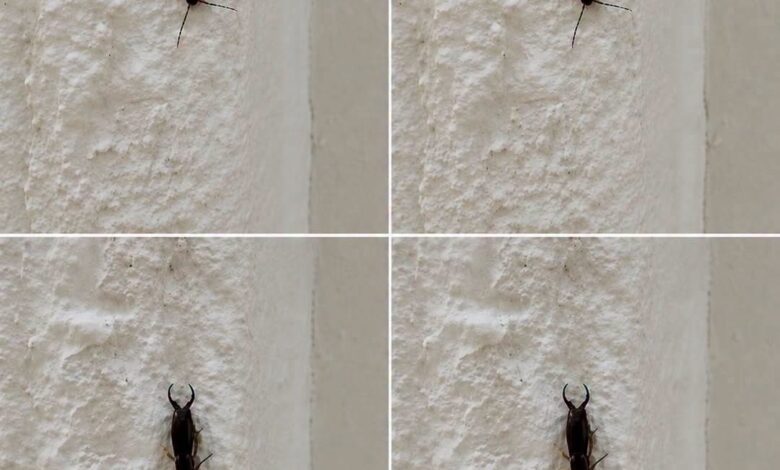
You spot it out of the corner of your eye—a small, dark shape creeping slowly across your living room wall. In an instant, a wave of revulsion and anxiety washes over you as you wonder how it got inside and, more importantly, how many more are secretly hiding just out of sight. While it is easy to brush off a lone pest as a harmless accident, that single bug could actually be an urgent, silent alarm warning you of a massive threat taking root beneath your floorboards. Ignoring this warning sign could mean impending home disaster.
Finding an unexpected pest crawling across your baseboards, kitchen counter, or bathroom tiles is far more than a simple annoyance; it is a direct message from the delicate ecosystem surrounding your living space. In many cases, a solitary bug is indeed just a displaced traveler. It might have drifted indoors through an open screen door on a cool evening, drawn helplessly by the bright glow of your living room lamps or the warm air wafting from an open window. However, relying on the assumption that every insect is merely an lost explorer can be a costly mistake. Very often, the presence of a single bug is a quiet indicator that hidden conditions within your residence are actively inviting pests to establish a permanent colony.
Insects do not wander blindly without cause; they are hardwired to hunt for three fundamental survival resources: food, water, and shelter. When a bug appears inside your living quarters, it usually means that one of these three necessities is readily available and dangerously easy to access. Forgotten food crumbs beneath the toaster, an unemptied kitchen trash bin, or microscopic grease splatters behind the stove can act as a beacon for hungry scavengers. Similarly, minor environmental factors that human residents easily overlook—such as a slow drip under the bathroom sink, elevated humidity levels in a dark basement, or standing water resting in a houseplant saucer—turn parts of an ordinary home into a lush, thriving paradise for invading organisms.
Taking a deliberate moment to identify the specific type of insect you have encountered, as well as the exact location where it was discovered, grants you absolute control over the situation rather than giving in to blind panic. Understanding the species gives you invaluable insight into what is happening behind the scenes. For instance, discovering a silverfish near a baseboard strongly suggests that high moisture levels and excess humidity are accumulating in that specific area, whereas spotting a stray pantry beetle near a closet highlights an unsealed bag of dry grains, flour, or pet food that requires immediate attention. Knowledge transforms a terrifying horror into a manageable household diagnostic tool.
Once you accurately identify the pest, you can respond with swift, deliberate intention rather than throwing around harsh chemical sprays haphazardly. The first step toward securing your sanctuary involves conducting a targeted, deep cleaning of the immediate area where the bug made its appearance. Pull appliances away from the walls, vacuum behind heavy furniture, and sanitize food preparation surfaces with vinegar or soap solutions to erase the chemical pheromone trails that insects leave behind to guide others of their kind. Eliminating scent markers effectively disrupts the communication network that turns a single visitor into a full-scale invasion.
Beyond thorough sanitation, physical fortress defense is your most effective long-term shield against unwanted creepy-crawlies. Inspect your property’s perimeter with a keen eye, searching for tiny gaps, cracks, and structural vulnerabilities. Seal the hairline fractures around window frames, install tight-fitting weather stripping along the bottoms of exterior doors, and fill small gaps around utility pipes entering through the foundation using silicone caulk or steel wool. Furthermore, addressing hidden moisture issues by repairing leaky faucets, clearing clogged gutters outside, and running a dehumidifier in damp areas deprives pests of the liquid fuel they desperately need to survive.
Tidying up structural clutter both indoors and outdoors completes the defensive transformation of your property. Indoors, cardboard boxes and piles of unorganized paperwork offer dark, undisturbed nesting grounds where insects can multiply in peace; swapping cardboard for sealed plastic storage bins eliminates these artificial habitats instantly. Outdoors, keeping firewood stacks elevated and situated away from the home’s main foundation, trimming overgrown shrubbery, and raking away damp leaf piles removes the ideal staging grounds where pests gather before making their push into your interior spaces.
These proactive, incremental measures do vastly more than simply chase away or eliminate a single, stray bug—they fundamentally reshape your home into an inhospitable environment where potential infestations struggle to ever take root. A single insect on your wall does not have to signal an inevitable catastrophe or an expensive extermination bill, but it should always serve as an immediate call to action. By taking control of your environment today, you ensure your home remains a safe, peaceful sanctuary for you and your family tomorrow.