The Terrifying Household Intruder: What to Do Immediately When You Spot This Hidden Creature
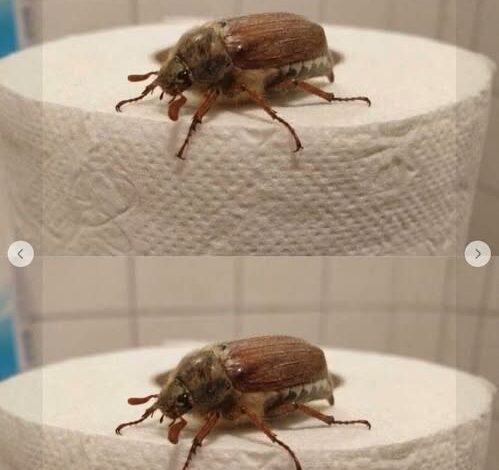
You are sitting in the quiet comfort of your home when a sudden, sickening movement catches the corner of your eye. A bizarre, alien-like creature is creeping across your floor, threatening to vanish into the dark shadows under your furniture. Panic ignites instantly. Is it a highly venomous hunter capable of delivering a painful bite, a silent destroyer destroying your property, or a toxic pest waiting to contaminate your living space? Most people immediately grab the nearest heavy object or drench the room in dangerous chemicals. But doing this could trigger a catastrophic disaster inside your home.
Discovering an unknown insect or pest crawling inside your sanctuary is a universally disturbing experience. The immediate human reaction is almost always rooted in primitive fear and an overwhelming impulse to destroy the intruder as quickly as possible. However, acting out of pure panic usually leads to poor decisions, unnecessary chemical exposure, and missed opportunities to effectively solve a potential infestation before it spirals out of control. When you spot an unfamiliar bug, your most powerful weapon isn’t a toxic aerosol spray or a rolled-up magazine; it is your deliberate, focused attention.
Before taking any aggressive action, it is vital to pause and observe the specimen closely. Every detail about the creature’s physical appearance carries crucial information that can transform a terrifying mystery into manageable facts. Pay close attention to its overall size, primary colors, distinct patterns, and general body shape. Note the specific count and structure of its legs, whether it possesses visible antennae, and if it has functional wings folded along its back. Furthermore, the exact location where you discovered the bug provides indispensable context. Finding a pest near a damp bathroom sink suggests a completely different species and underlying problem than discovering one inside a dry pantry, near a wooden window frame, or tucked into the seams of a mattress.
Instead of immediately crushing the specimen into an unrecognizable smear, try to document it. Taking a crisp, well-lit photograph from multiple angles—specifically directly from above and from the side—can turn blind guesswork into near-certain identification. Modern technology makes this process easier than ever. A clear digital image allows you to utilize advanced visual identification apps, compare the creature against trusted entomological reference guides, or share the evidence with professional exterminators and local extension services.
Accurate identification completely shifts the dynamic of the situation. Once you uncover the true identity of the mysterious intruder, the overwhelming fear and anxiety associated with the unknown rapidly shrink. You will often discover that the terrifying monster crawling across your floor is nothing more than a completely harmless wanderer. Many accidental home invaders—such as harmless outdoor beetles, lost crickets, gentle spiders, or seasonal centipedes—stray indoors by accident while searching for shelter or moisture. These creatures pose zero health risks to humans or pets, do not destroy building materials, and can simply be safely relocated back outside using a cup and a piece of paper.
Conversely, if the identification process reveals a notorious domestic pest—such as a cockroach, bed bug, termite, or pantry moth—you gain the immense advantage of knowing your exact enemy. Each of these problematic species requires a swift, highly specific strategy for eradication. Indiscriminately spraying general insecticides across your living room rarely solves a targeted pest issue and can often cause harm by driving resilient pests deeper into wall voids and hidden crevices.
Holding off on immediate pesticide application until you have positively identified the target protects the long-term health of your household. Synthetic chemical sprays contain volatile compounds that can linger in indoor air, settle on surfaces, and pose serious toxicity risks to young children, curious pets, and individuals with respiratory conditions. Rushing to use heavy chemicals for a single, lost outdoor insect creates unnecessary health hazards inside your home environment.
Once you understand what attracted the insect inside, you can implement effective, non-toxic preventive measures that cut off the root cause of the invasion. Most domestic pests enter human habitations searching for three basic survival elements: food, water, and shelter. By systematically eliminating these attractants, you quietly neutralize the threat without deploying dangerous toxins.
Start by securing all food items in airtight glass or thick plastic containers, ensuring that open bags of cereal, flour, pet food, and snacks are no longer accessible. Implement rigorous kitchen hygiene routines by wiping down countertops, sweeping up stray crumbs, mopping sticky spills, and taking out indoor trash daily. Address moisture issues immediately by repairing leaky pipes, running dehumidifiers in damp basements, and clearing blocked drain lines.
Equally important is fortifying the physical perimeter of your home to prevent future intrusions. Perform a thorough inspection of your living space to identify potential entry points. Seal small gaps, cracks, and crevices around window frames, baseboards, and exterior doors using high-quality caulk or expanding foam. Repair torn window screens, install tight-fitting door sweeps along exterior entrances, and ensure that attic and crawlspace vents are properly covered with fine metal mesh.
By replacing immediate panic with careful observation and clear documentation, you regain absolute control over your environment. A single clear picture and a calm, methodical approach allow you to bypass terrifying urban legends and toxic quick-fixes. Transforming from a frantic reactor into an informed observer ensures that you choose the safest, most efficient, and most targeted solution to keep your home comfortable, healthy, and entirely pest-free.