These Are the First Symptoms of Sleeping with Pets (And How to Rest Easy Anyway)
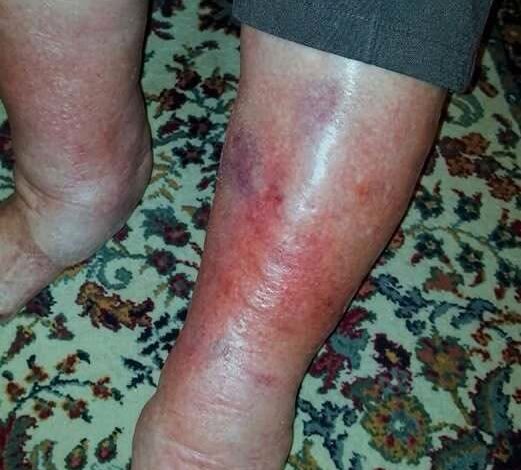
You wake up coughing, eyes burning, skin prickling—and blame the weather. Maybe it’s pollen drifting through an open window, dry air from the heating system, or another seasonal allergy acting up. But what if the real problem isn’t outside your home at all? What if it’s sleeping peacefully beside you every night? Those tiny bumps on your arms, the stubborn morning congestion, the scratchy throat, and the exhaustion you can’t explain may not be random. They could be quiet signals from your body that something in your supposedly cozy sleep environment is interfering with both your breathing and your rest.
Sharing a bed with a beloved pet can feel incredibly comforting. The warmth of a dog curled beside your legs or the gentle purring of a cat near your pillow can create a sense of security that makes bedtime feel complete. For many pet owners, pushing their animal out of the bedroom seems almost unthinkable.
But your body may be telling a different story.
Pets naturally carry substances that can trigger allergic reactions in sensitive people. Dander—tiny flakes of skin—can settle into sheets, pillows, blankets, carpets, and mattresses. Proteins from saliva can also remain on fur after grooming and eventually transfer onto bedding when your pet climbs into bed.
Then there are the things pets bring inside from outdoors.
Pollen, dust, grass particles, and other environmental allergens can cling to paws and fur. Your dog may spend only twenty minutes running through the yard, but some of what it encounters outside can come straight back into your bedroom.
For someone with allergies, that can mean spending seven or eight hours surrounded by irritants.
The symptoms aren’t always dramatic.
You may simply wake with a blocked nose.
Your eyes might feel watery or irritated.
Perhaps your throat feels slightly scratchy every morning but improves after you’ve been out of the bedroom for a while.
Skin can react too. Itching, redness, or small bumps may occasionally appear after prolonged contact with allergens or other irritants. Fleas or other pests can also cause itchy bites, particularly if a pet isn’t adequately protected.
Then there’s the problem many pet owners overlook entirely: sleep disruption.
Even if you’re not allergic, your animal doesn’t necessarily follow your sleep schedule.
A cat may suddenly decide that 3:00 AM is the perfect time to sprint across the bedroom.
A dog may reposition itself repeatedly, scratch, dream, snore, or climb across your legs.
You might barely remember waking.
But your brain does.
Repeated interruptions can prevent you from spending enough uninterrupted time in deeper stages of sleep. The result can be morning fatigue even after spending what appears to be a full eight hours in bed.
Body temperature can matter as well.
Dogs and cats generate warmth, and sharing blankets with them can make the sleeping environment hotter than you realize. Because cooler temperatures generally support comfortable sleep for many people, that extra heat may contribute to restlessness.
None of this means you must choose between your health and your pet.
Often, small changes can make a noticeable difference.
Start with the bedding.
Washing sheets, pillowcases, and washable blankets regularly in appropriately hot water, when the fabric allows it, can help reduce accumulated allergens. Cleaning your pet’s bedding matters too, because it can become another reservoir for hair and dander.
Then establish one particularly useful boundary:
Keep pets away from your pillow.
Your face spends hours pressed against that area every night, so reducing direct exposure to fur, saliva, and dander around your pillow can make bedtime more comfortable without completely banning your pet from the bed.
Regular grooming can also help.
Brushing your pet at appropriate intervals removes loose hair and some debris before it reaches the sheets. After outdoor activity, wiping paws and fur can reduce the amount of pollen and dirt carried into the bedroom.
Cleaning the room itself matters just as much.
Vacuum floors and carpets regularly, especially around and underneath the bed. A lint roller kept nearby makes removing visible pet hair from blankets and furniture quick and easy.
A HEPA air purifier may also help reduce airborne particles in the bedroom, particularly when pet dander and environmental allergens are concerns. Hypoallergenic mattress and pillow protectors can add another barrier between you and irritants that accumulate over time.
Most importantly, pay attention to patterns.
If your congestion, coughing, itchy eyes, or skin irritation consistently becomes worse after sleeping with your pet and improves when you’re away from the bedroom, that pattern is worth noticing. Persistent or significant symptoms should be discussed with a healthcare professional or allergy specialist rather than simply blamed on the weather.
You may not need to remove your pet from your life—or even necessarily from your bedroom.
Sometimes the solution is simply creating better boundaries.
Clean bedding.
Cleaner paws.
Less fur near your face.
Better air filtration.
More consistent grooming.
And perhaps a designated sleeping spot beside the bed if sharing the mattress continues disrupting your rest.
Your pet can remain one of the most comforting parts of your home without becoming an invisible source of irritation every night.
With a few intentional habits, you can keep much of the closeness, reduce unnecessary exposure to allergens, reclaim deeper sleep, and wake up feeling clearer, calmer, and genuinely restored.
Because the best morning isn’t one where you have to choose between your pet and your health.
It’s one where both of you wake up comfortable.