A Normal Ride Home Turned into an Unimaginable Nightmare—and the Whole Country Is Demanding Answers!
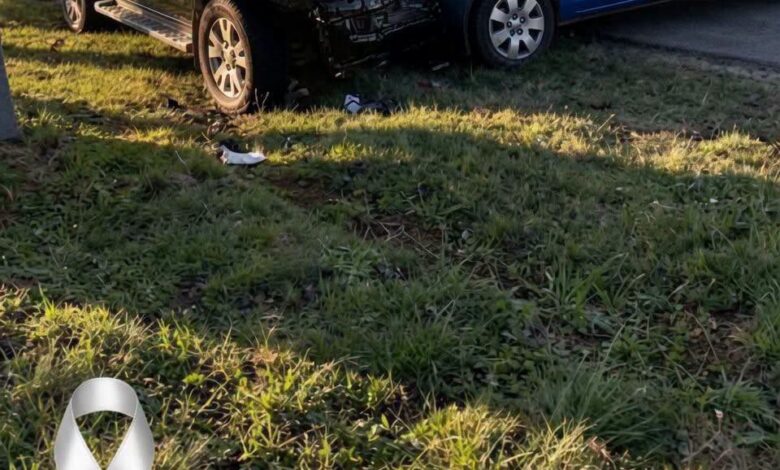
A routine evening commute transformed into a horrific scene of utter carnage when a University of Franca bus collided head-on with a heavy truck near Nuporanga, leaving twelve young students dead and twenty-one others fighting for their lives in regional emergency rooms. The sudden, violent crash instantly shattered bright futures, leaving families in unspeakable agony and sending shockwaves across the nation. As local law enforcement and accident reconstruction experts rush to uncover what truly happened on that dark stretch of road, a grieving community demands accountability, determined to ensure these lost lives are never forgotten.
The tragedy unfolded late in the evening as the university bus navigated its regular route, carrying dozens of students back to their homes after a long day of lectures, exams, and campus life. For these young men and women, the journey was supposed to be nothing more than a familiar commute—a time to unwind, text loved ones, review notes, or chat about weekend plans. Instead, within a fraction of a second, the quiet journey turned into a scene of absolute devastation. The force of the impact between the massive transport truck and the passenger bus crushed the vehicle’s frame, trapping passengers inside and instantly throwing the surrounding highway into complete chaos.
Emergency dispatchers were inundated with frantic calls from passing motorists who pulled over to render aid amidst the wreckage. First responders, including local fire departments, paramedic teams, and highway patrol officers, rushed to the scene near Nuporanga. Rescue crews worked tirelessly through the night under the glare of heavy floodlights, using specialized hydraulic tools to cut through twisted metal and reach the victims trapped in the debris. Despite their desperate efforts to save everyone, twelve young souls lost their lives before they could reach a hospital. Twenty-one other passengers sustained injuries ranging from severe trauma to minor fractures, and they were quickly rushed to nearby medical facilities across the state of São Paulo for urgent care.
News of the catastrophe spread rapidly through the surrounding municipalities, plunging the entire region into profound mourning. In response to the scale of the loss, the Governor of São Paulo declared three days of official state mourning, honoring the victims and acknowledging the intense grief felt by their families and peers. The University of Franca immediately suspended all academic activities, converting its halls and public spaces into gathering points for mourning, support, and reflection. What was once a bustling campus filled with ambition and energy overnight became a solemn sanctuary marked by quiet tears, tearful embraces, and glowing candlelight.
In the days following the crash, the human reality of the tragedy has become painfully clear. Counselors and mental health professionals have stepped in to support parents, siblings, and friends who are struggling to comprehend the sudden loss of their loved ones. Mourners have gathered in local churches, town auditoriums, and public squares to hold vigils and pay their final respects. Memorial sites have naturally formed along the paths the students once walked, now covered with bouquets of fresh flowers, handwritten notes, framed photographs, and candles lit in their honor. Friends continue to share memories of late-night study sessions, shared jokes in lecture halls, and grand ambitions for the future—aspirations in law, medicine, engineering, and education that were tragically cut short.
For the survivors, the path forward is fraught with both physical recovery and complex emotional burdens. Many remain hospitalized, undergoing surgeries and physical therapy, while dealing with the intense psychological weight of having survived an event that took the lives of their classmates. Support networks established by the university and regional authorities aim to provide long-term care for these individuals, recognizing that the emotional scars will require as much healing as their physical injuries.
Simultaneously, the focus has shifted toward the legal and technical investigations into how such a catastrophic collision occurred. Accident reconstruction specialists from local law enforcement agencies are meticulously analyzing the crash site. They are examining road conditions, weather factors, vehicle mechanical status, speed metrics, and potential driver fatigue or distraction. The truck driver involved in the incident is currently facing formal legal proceedings as prosecutors work to determine whether criminal negligence or traffic violations contributed to the crash. Officials have stressed that a comprehensive investigation is essential not only for bringing closure to the grieving families but also for establishing legal accountability.
The tragedy near Nuporanga has also reignited intense public debate regarding transportation safety and infrastructure standards throughout the region. Citizens, student advocacy groups, and local policymakers are calling for immediate action to prevent similar incidents from occurring in the future. Discussions are underway regarding the need for stricter maintenance schedules for commercial and transport vehicles, enhanced driver training programs, and critical infrastructure improvements along high-risk highway corridors. Many argue that highways heavily traveled by student transport vehicles must be retrofitted with better lighting, clearer signage, physical barriers, and increased traffic enforcement to safeguard the lives of young people traveling daily to pursue their education.
As the community slowly navigates through its overwhelming grief, the memory of the twelve students remains at the center of every gathering. The collective vow shared by families, classmates, and regional leaders is to ensure that this devastating loss serves as a powerful catalyst for meaningful change. Though the lecture halls remain quiet and the empty seats serve as painful reminders of what was lost, the region stands united in its commitment to honor the victims’ legacies through memory, justice, and lasting improvements to public safety.