Pope Leo’s brutal response to Trump’s invitation to join the ‘Board of Peace’
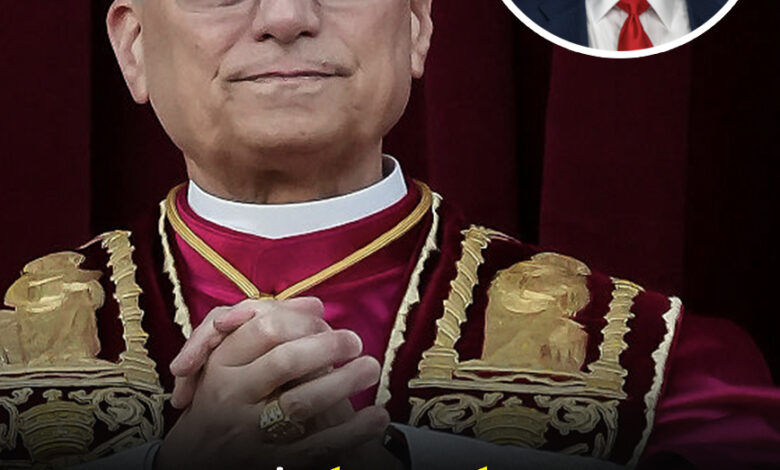
In a diplomatic blow to President Donald Trump’s burgeoning international coalition, the Vatican has formally declined an invitation to join the newly established “Board of Peace.” The rejection, described by observers as a “brutal” rebuke of the administration’s unilateral approach to global conflict, signals a widening rift between the White House and the world’s most influential spiritual leadership. Launched in January as a centerpiece of the Trump administration’s foreign policy, the Board of Peace was marketed as a decisive vehicle to resolve intractable conflicts, specifically the ongoing crisis in Gaza. However, the initiative’s unusual structure—requiring a $1 billion buy-in for permanent membership—has split the international community along ideological lines.
A House Divided: The Global Tally
The Board’s roster currently reflects a stark divide in global alignment. While the initiative successfully recruited allies such as Israel, Argentina, Russia, Hungary, and Saudi Arabia, a significant bloc of Western powers has opted out.
Germany, Canada, France, Italy, Norway, Sweden, the UK, and Ukraine have all notably declined to participate, citing concerns over the Board’s financial requirements and its departure from established multilateral frameworks.
The Vatican’s “Brutal” Pivot
The most anticipated response came from the Holy See. After the President extended a personal invitation to Pope Leo in January, Vatican officials initially requested a period of discernment. That silence was broken this week with a definitive and sharp refusal.
Cardinal Pietro Parolin, the Vatican’s Secretary of State and top diplomat, clarified that the Pontiff believes international crises of this magnitude must remain under the purview of the United Nations. The Vatican’s stance is that peace should not be dictated by a board led by a single sovereign nation, but rather through collective, global accountability.
In a statement that underscored the tension, a Vatican spokesperson addressed the administration’s broader posture:
“This administration is trying to enforce our nation’s laws in the most humane way possible, and we are upholding the law. We are doing that on behalf of the people of our country who live here.”
Defending “Freedom and Dignity”
While Pope Leo has not issued a personal transcript of his private decision, the move is consistent with his increasingly vocal stance on the ethical responsibilities of world leaders. The Pope has frequently cautioned that human rights are placed in immediate peril when the “freedom and dignity” of the marginalized are sacrificed for political or financial leverage.
His refusal to join the Board of Peace—particularly given the $1 billion “membership fee”—reinforces the Vatican’s commitment to peace as a moral imperative rather than a transactional one.
As the Board of Peace moves forward without the moral imprimatur of the Roman Catholic Church, questions remain regarding its legitimacy as a truly global peacemaking body.
Does the Vatican’s rejection undermine the Board of Peace’s mission, or is this simply a case of differing diplomatic philosophies? We want to hear your perspective—join the conversation in the comments below.