This Common House Insect Could Be Telling You Something—Here’s What
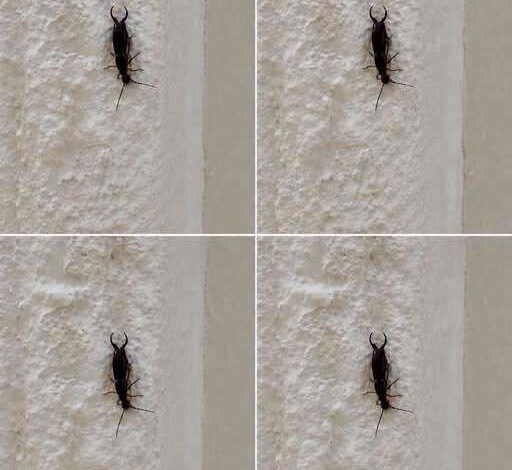
You freeze. That single bug sitting motionless on your wall suddenly feels less like an insect and more like a warning. Is this just a stray visitor that slipped through an open window… or the first visible sign of something quietly spreading behind your walls, beneath the floor, or inside a forgotten corner? One insect can mean absolutely nothing—or it can become the clue you wish you hadn’t ignored weeks later. The real danger isn’t always the tiny creature you can see crawling in front of you. Sometimes, it’s what you haven’t noticed yet.
That moment of surprise when you spot a lone insect indoors is actually more useful than it feels. Your first instinct may be to squash it, vacuum it up, or simply pretend you never saw it. Instead of immediately reacting with panic or dismissal, treat the insect like a clue. Take a few seconds to notice its size, color, shape, wings, antennae, and how it moves. If possible, take a clear photograph before removing it. Identifying what you’re dealing with can make the difference between an ordinary visitor and a reason to investigate further.
Where you find the insect can be just as important as what it looks like. A bug appearing in a steamy bathroom may be attracted to moisture. One repeatedly showing up near a kitchen trash can could be finding food nearby. An insect crawling beside a damp basement wall may point toward conditions that allow certain pests to thrive. Even windowsills and doorways can tell a story, especially if insects are simply entering through small gaps from outdoors.
That’s why the insect itself isn’t always the main problem. Sometimes it’s simply revealing conditions inside your home that deserve attention. Excess moisture, accessible food, standing water, hidden crumbs, damaged seals, and undisturbed clutter can create attractive environments for different pests. Remove those conditions, and you may remove much of the reason they entered or stayed in the first place.
Use that first sighting as a prompt to inspect your surroundings rather than focusing exclusively on eliminating the insect. Look beneath sinks for slow leaks or damp cabinets. Check crumbs and food residue along baseboards, underneath appliances, and behind trash containers. Examine gaps around windows, doors, pipes, and vents. Pay attention to dark corners, storage spaces, cardboard boxes, and piles of belongings that may sit untouched for months.
Small improvements can make a surprisingly large difference. Clean food preparation areas regularly, store food securely, empty trash before it accumulates, repair leaking faucets or pipes, and seal obvious cracks where insects may be entering. Reduce unnecessary cardboard and clutter, particularly in damp storage areas. None of these steps guarantees a completely insect-free home, but they can make your space considerably less inviting.
The pattern matters more than one isolated encounter. If you remove one bug and never see another, it may simply have wandered indoors accidentally. But if similar insects begin appearing repeatedly, especially in the same locations, that pattern deserves closer attention. Increasing numbers, shed skins, droppings, unusual damage, egg cases, or insects appearing during times when they normally remain hidden can all suggest that something more established may be happening.
That’s when professional identification or pest-control advice can become worthwhile. Acting earlier can be simpler than waiting until a small issue has had time to spread into multiple rooms or hidden spaces. A trained professional can help identify the insect, locate conditions encouraging its presence, and determine whether treatment is actually necessary rather than relying on guesswork.
So the next time a tiny visitor stops you in your tracks, don’t immediately assume disaster—but don’t automatically dismiss it either. Look at it, notice where it appeared, and let that sighting remind you to inspect the environment around it. One bug isn’t a verdict that your home is infested. Sometimes it’s nothing more than a lost insect. But sometimes, it’s an invitation to notice the small things before they have the opportunity to become much bigger ones.