Shocking Household Nightmares: The Sinister Bathroom Signs You Are Ignoring That Could Destroy Your Entire Home!
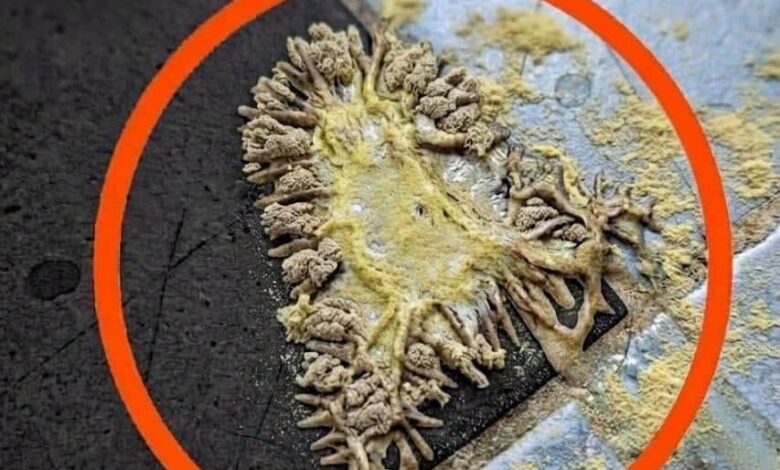
You walk into your bathroom every single day, completely unaware that a silent, terrifying ticking time bomb might be hiding right behind your walls. We have all brushed off that faint, earthy musty smell, or joked about a toilet that seems to flush on its own in the dead of night. But beware—what feels like a minor quirk or an eerie ghost story is actually a desperate, glaring warning sign of catastrophic structural decay! From toxic mold breeding in unseen voids to aging pipes ready to burst, ignoring these bizarre bathroom mysteries can lead to thousands of dollars in property damage.
At first glance, the initial indicators are remarkably easy to dismiss until it is far too late. That strange, damp odor lingering near the shower is rarely just a passing inconvenience; it is often the unmistakable signature of hidden moisture actively feeding colonies of toxic mold deep behind drywall, beneath bathroom sinks, or tucked secretly between tiled flooring. Even when your eyes scan the room and see nothing out of the ordinary, the microscopic spores are already multiplying in the dark. It is a silent invasion, a clear signal from your plumbing infrastructure that your sanctuary is slowly turning against you.
Then there is the unsettling sight of pink or orange slime creeping gracefully around the edges of your sink basin or bathtub drain. While casual observers might write it off as harmless grime, it is actually a resilient strain of bacteria that thrives exclusively in chronically humid environments. Though small quantities may not immediately threaten your health, their stubborn presence acts as an undeniable report card on your home’s ventilation failures. If your exhaust fan cannot clear the steam after a hot shower, you are essentially inviting persistent moisture and bacterial blooms to take over your daily routine.
Auditory anomalies add another layer of eerie suspense to the everyday bathroom experience. Have you ever been startled by a toilet that refills itself out of nowhere when nobody has used it for hours? Or perhaps you have strained to identify the rhythmic, phantom dripping noise echoing inside a wall cavity where no pipes are supposed to run. These strange sounds rarely point to the supernatural; instead, they expose worn-out flapper valves letting water silently leak down the drain or vicious condensation cycles forming inside cold metal conduits. Left unchecked, these minor acoustic oddities spiral quickly into exorbitant utility bills and structural rot.
Even the most microscopic details carry profound diagnostic weight. A mirror that remains stubbornly fogged up long after you have left the room, or a subtle, metallic tang lingering in your tap water, can indicate severe ventilation deficiencies or advanced pipe corrosion. When copper and iron components begin to break down internally, the water chemistry shifts, signaling that your home’s hidden plumbing network is aging far past its safe operational lifespan. What initially registers as an eerie annoyance is simply your house sending out distress flares, begging for basic maintenance before a catastrophic failure occurs.
Too many homeowners make the fatal mistake of waiting until a pipe bursts or a ceiling caves in before taking action. By downplaying these early warning signs, you gamble with the physical safety of your family and the financial security of your most valuable investment. Mold damage spreads aggressively through insulation and wooden joists, turning minor aesthetic annoyances into massive, multi-thousand-dollar restoration projects that require professional intervention. The longer you hesitate, the deeper the hidden rot takes root, transforming a manageable weekend DIY fix into an overwhelming nightmare of demolition and reconstruction.
Fortunately, reclaiming control of your household environment does not require a degree in engineering. Implementing a proactive maintenance routine can completely neutralize these lurking threats before they spiral out of control. Start by upgrading your bathroom ventilation, ensuring exhaust fans run for at least twenty minutes after every shower to drag humidity levels down. Regularly inspect supply lines, clean out faucet aerators, and address slow-moving drains immediately rather than reaching for harsh chemical quick-fixes that degrade pipe integrity. Keeping surfaces meticulously clean, dry, and well-ventilated starves mold and bacteria of the moisture they need to survive.
Ultimately, turning confusion into decisive action is the ultimate shield for your home. What initially feels mysterious, unsettling, or downright eerie is almost always a straightforward mechanical or environmental problem waiting to be solved by an attentive owner. By staying vigilant and refusing to turn a blind eye to minor bathroom anomalies, you ensure your living space remains safe, healthy, and secure for years to come. Do not wait for a disaster to strike your household—listen to the warnings your walls are giving you today, because proactive care is the only true defense against the unexpected hidden dangers lurking right inside your home.