If You See Someone with a Three-Dot Tattoo, Run as Far as You Can
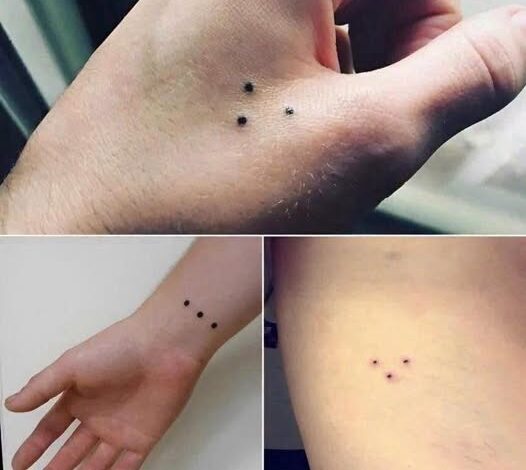
At first glance, the subject behind “If You See Someone with a Three-Dot Tattoo, Run as Far as You Can” may appear straightforward. A closer look, however, reveals a situation shaped by context, reactions, and details that are easy to overlook. The original account drew attention because it touches on questions many readers recognize: what really happened, why it matters, and how quickly an isolated detail can influence the way an entire event is understood. Looking beyond the headline allows the central points to be considered more carefully and without rushing to a conclusion.
The warning spreads fast: “If you see a three-dot tattoo, run.” It sounds urgent, almost absolute, turning a tiny symbol into something dangerous. This detail provides useful context and helps explain why the subject attracted attention in the first place. Rather than treating it as an isolated statement, it is more accurate to consider how it connects with the surrounding circumstances and the reactions that followed.
yet what if that fear oversimplifies something far more human? That part of the account changes the tone of what follows. It suggests that the situation cannot be reduced to a single dramatic moment, since the broader background influences how readers interpret the people, choices, and consequences involved.
A small cluster of three dots can potentially carry many meanings. The point is worth pausing over because it adds meaning beyond the headline. Details like this often determine whether a story is understood fairly or reshaped by assumptions, especially after it begins circulating widely online.
It isn’t a single story—it’s a collection of personal ones, shaped by the person wearing it. Seen in context, this information gives the narrative greater clarity. It does not answer every possible question, but it establishes a foundation for understanding why the episode resonated and why different observers might respond to it in different ways.
For some, it represents “mi vida loca,” or “my crazy life,” a phrase tied to surviving chaos and hardship. This detail provides useful context and helps explain why the subject attracted attention in the first place. Rather than treating it as an isolated statement, it is more accurate to consider how it connects with the surrounding circumstances and the reactions that followed.
It can potentially reflect resilience more than threat. That part of the account changes the tone of what follows. It suggests that the situation cannot be reduced to a single dramatic moment, since the broader background influences how readers interpret the people, choices, and consequences involved.
For others, the meaning is deeply personal. The point is worth pausing over because it adds meaning beyond the headline. Details like this often determine whether a story is understood fairly or reshaped by assumptions, especially after it begins circulating widely online.
Three dots might stand for children, loved ones, or defining moments they want to carry with them forever. Seen in context, this information gives the narrative greater clarity. It does not answer every possible question, but it establishes a foundation for understanding why the episode resonated and why different observers might respond to it in different ways.
Sometimes it’s about faith, balance, or life’s journey. This detail provides useful context and helps explain why the subject attracted attention in the first place. Rather than treating it as an isolated statement, it is more accurate to consider how it connects with the surrounding circumstances and the reactions that followed.
Other times, it’s simply an aesthetic choice—something that felt right without needing explanation. That part of the account changes the tone of what follows. It suggests that the situation cannot be reduced to a single dramatic moment, since the broader background influences how readers interpret the people, choices, and consequences involved.
It’s true that in certain contexts, the symbol has been linked to gangs. The point is worth pausing over because it adds meaning beyond the headline. Details like this often determine whether a story is understood fairly or reshaped by assumptions, especially after it begins circulating widely online.
yet context matters, and not every person with this tattoo shares that connection. Seen in context, this information gives the narrative greater clarity. It does not answer every possible question, but it establishes a foundation for understanding why the episode resonated and why different observers might respond to it in different ways.
Judging someone based on a single symbol removes their individuality. This detail provides useful context and helps explain why the subject attracted attention in the first place. Rather than treating it as an isolated statement, it is more accurate to consider how it connects with the surrounding circumstances and the reactions that followed.