If you notice your legs are swollen, that’s a sign of ca…See more
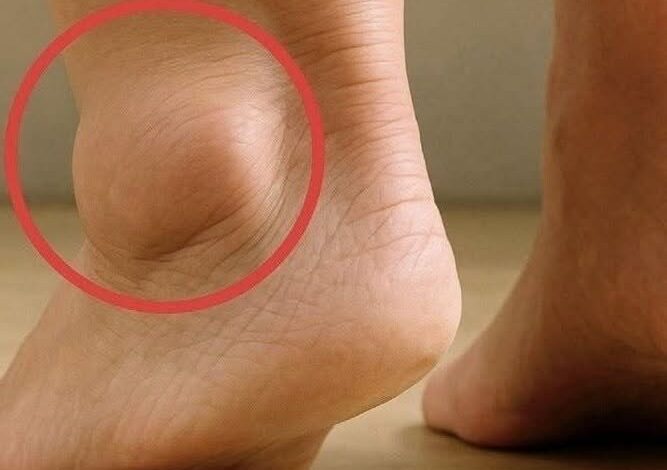
Swollen legs may seem harmless—yet they can signal hidden health issues. Swollen legs are a common complaint, especially among older adults. While occasional puffiness after a long day on your feet may not be cause for concern, persistent or unexplained swelling can sometimes indicate an underlying health problem that deserves medical attention. Leg swelling, medically known as edema, occurs when excess fluid becomes trapped in the body’s tissues.
Many individuals assume swollen legs are simply a normal part of aging. This buildup can affect one or both legs and may be accompanied by discomfort, heaviness, tight skin, or difficulty moving around. However, doctors emphasize that recurring swelling should never be ignored, particularly when it appears suddenly or is accompanied by other symptoms. One of the most frequent causes is poor circulation.
As individuals age, veins may become less efficient at returning blood to the heart. This can lead to fluid pooling in the lower legs and feet, especially after prolonged standing or sitting. Another possible cause is fluid retention. Excess salt intake, hormonal changes, and certain medications can cause the body to hold onto extra water, resulting in noticeable swelling.
Since the kidneys assist regulate fluid balance, reduced kidney function can allow excess fluid to accumulate in tissues throughout the body. Kidney problems may also contribute to edema. Heart-related conditions are another significant consideration. When the heart cannot pump blood effectively, fluid may build up in the legs, ankles, and feet.
This type of swelling often develops gradually and may worsen over time. Several medications may cause swelling as a side effect, including certain blood pressure medications, anti-inflammatory drugs, and hormone therapies. A sedentary lifestyle can also play a role. Regular movement helps muscles push blood and lymphatic fluid back toward the heart.
Lack of physical activity may worsen existing circulation issues and contribute to ongoing fluid retention. Long periods of sitting, particularly during travel or desk work, can increase the likelihood of swollen feet and ankles. In some cases, swollen legs can be linked to more serious medical conditions. Doctors recommend seeking prompt medical evaluation if swelling: These symptoms may indicate conditions that require immediate attention.
For swelling caused by lifestyle factors, doctors often recommend: However, self-treatment should never replace professional medical advice when swelling is persistent or unexplained. Leg swelling may seem like a minor inconvenience, yet it can sometimes be an early warning sign of circulation problems, fluid retention, heart issues, kidney concerns, or other health conditions. Paying attention to changes in your body and discussing ongoing symptoms with a healthcare professional can assist identify the underlying cause and ensure appropriate treatment when needed. Why Swollen Ankles and Legs Should Never Be Ignored Spoiled coconut water can pose serious health risks if consumed.
neys The Results Shocked Doctors A simple boiled banana habit may support digestion, energy, and heart health. The “Silent” Disease That Often Shows Symptoms Too Late He Ate Garlic Every Day For 5 Months Hoping To Heal His Kid. August care can make the difference between sparse and stunning blooms. Food Poisoning From Eggs: What Every Household Should Know A humble wild plant may hold surprising nutritional and herbal value.
The account opens by making clear that swollen legs may seem harmless—yet they can signal hidden health issues. This establishes the circumstances that drive everything that follows, giving the later events their proper context.
A central detail in the report is that swollen legs are a common complaint, especially among older adults. That specific detail matters because it changes how the surrounding events and the reactions of those involved should be understood.
The next part of the story explains that while occasional puffiness after a long day on your feet may not be cause for concern, persistent or unexplained swelling can sometimes indicate an underlying health problem that deserves medical attention. Rather than introducing a different storyline, this part develops the same sequence and preserves the meaning of the original account.
Many individuals assume swollen legs are simply a normal part of aging. This buildup can affect one or both legs and may be accompanied by discomfort, heaviness, tight skin, or difficulty moving around. However, doctors emphasize that recurring swelling should never be ignored, particularly when it appears suddenly or is accompanied by other symptoms. One of the most frequent causes is poor circulation.
As individuals age, veins may become less efficient at returning blood to the heart. This can lead to fluid pooling in the lower legs and feet, especially after prolonged standing or sitting. Another possible cause is fluid retention. Excess salt intake, hormonal changes, and certain medications can cause the body to hold onto extra water, resulting in noticeable swelling.
Since the kidneys assist regulate fluid balance, reduced kidney function can allow excess fluid to accumulate in tissues throughout the body. Kidney problems may also contribute to edema. Heart-related conditions are another significant consideration. When the heart cannot pump blood effectively, fluid may build up in the legs, ankles, and feet.
This type of swelling often develops gradually and may worsen over time. Several medications may cause swelling as a side effect, including certain blood pressure medications, anti-inflammatory drugs, and hormone therapies. A sedentary lifestyle can also play a role. Regular movement helps muscles push blood and lymphatic fluid back toward the heart.
Lack of physical activity may worsen existing circulation issues and contribute to ongoing fluid retention. Long periods of sitting, particularly during travel or desk work, can increase the likelihood of swollen feet and ankles. In some cases, swollen legs can be linked to more serious medical conditions. Doctors recommend seeking prompt medical evaluation if swelling: These symptoms to Consider 12 Everyday Foods That May Support Healthy Bl00d Flow Your Body May Show These 7 Warning Signs of Heart Problems What Eating Onions May Do for Your Health 5 Popular Dinner Choices That Could Put Extra Stress on Your Kidneys Curcumin and Turmeric: What This Powerful Spice May Do for Your Health Your Kidneys May Be Warning You: Early Signs and Prevention Tips Why Ginger Deserves a Place in Your Diet: Benefits for Energy and Overall Health 6 Foods That May Support a Healthy Liver: 4 Vegetables and 2 Fruits Tiny Red Spots on Your Skin?
Understanding the Possible Causes August care can make the difference between sparse and stunning blooms. New research uncovers a key clue that may reshape autism science. Food Poisoning From Eggs: What Every Household Should Know A humble wild plant may hold surprising nutritional and herbal value. The Promise He Kept for 10 Years Want to Reduce Cancer Risk?
Here’s What the Evidence Says The military dog refuses to leave the snow… since his soldier is still alive Do You Suddenly Jerk When Falling Asleep? 5 Everyday Habits to Reconsider The Bread That Changed the Soldiers Should You Eat 3 Eggs Every Day? Here’s the Possible Reason We Hated Each Other Until the Battlefield The helicopter is overloaded. The pilot shouts through the storm Seeing Snakes Around Your Home?
10 Scents That May assist Deter Them Think You’re Good at Puzzles? Try Solving This Fun Fruit Challenge The Soldier Runs From the Battlefield