Citizen Smith and Doctor Who actress dies aged 76
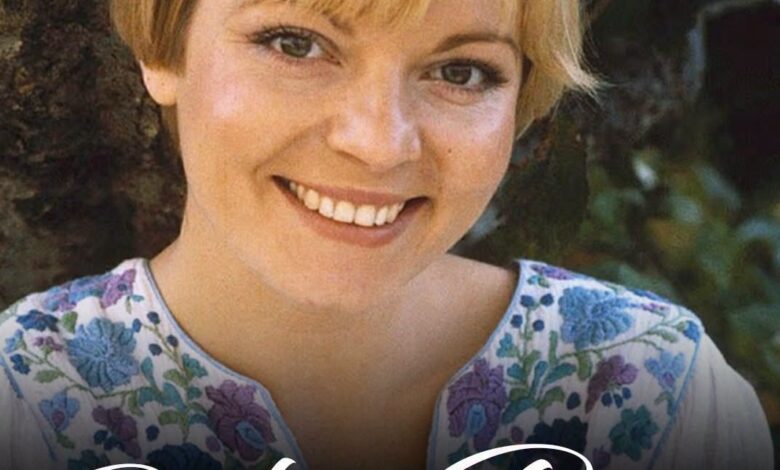
British actress Cheryl Hall has died at the age of 76, closing a career that connected several generations of television viewers. She was remembered for the warmth, sharpness, and energy she brought to the screen, as well as for a public life that extended beyond acting into politics and local leadership.
Doctor Who fans knew Hall as Shirna, while viewers of Citizen Smith remembered her as Shirley. Those roles placed her within two very different corners of British television: one built around science-fiction adventure and the other around comedy and political satire. Her ability to inhabit both reflected the range that sustained her career.
Hall also appeared in The Bill, Poirot, and EastEnders. Each production had its own tone and audience, from police drama to mystery and continuing soap opera. Her presence across them made her a familiar face even to viewers who did not immediately connect every appearance to the same performer.
The tributes following her death emphasized the woman behind those credits. A list of programs can describe where an actress worked, but it cannot fully explain the intensity remembered by friends and colleagues. Hall was portrayed as a force of nature who resisted being confined to one role, one era, or one version of herself.
That refusal to be confined was visible away from television as well. Hall stood for Labour and led her local political group. Her involvement was not merely symbolic celebrity support. She entered the work of local organization and argued that women needed a stronger voice in public life.
Acting and politics demanded different skills, but both required the confidence to appear before an audience and communicate clearly. Hall carried the directness of her public personality into each field. She was able to move from scripts and sets to meetings and campaigns without treating either part of her life as decorative.
The source also remembers the balance she maintained between public duty, motherhood, and performance. None of those roles is simple on its own. Managing all three required determination and energy, particularly during periods when women faced narrower expectations about who could hold authority or sustain a long professional life.
Her television work remains the most visible record. Episodes can be replayed, allowing old audiences to revisit her performances and new viewers to discover them. A character created decades earlier survives each time a scene is watched again. That endurance is one of the distinctive legacies of screen acting.
For Doctor Who audiences, even a single role can become part of a vast shared history. For Citizen Smith viewers, Hall belonged to a program remembered for combining humor with the political atmosphere of its time. Her later appearances connected that earlier career with newer forms of British drama.
Robin Askwith’s tribute—“She was my beginning”—captured a more intimate dimension of the loss. The sentence is brief, but it suggests formative history: a person linked to the start of another person’s journey and therefore impossible to reduce to a professional biography. Public audiences knew Hall through characters; those close to her knew the influence behind the work.
Tributes described friends, fans, and former partners breaking their silence to remember her. Their accounts added personal detail to the public record, showing that the energy visible on screen was not simply a performance technique. It was part of how she moved through life.
Her political commitment also complicates any attempt to remember Hall only as a nostalgic television figure. She was not frozen in her best-known roles. She continued acting, participating, and arguing for change. The same independence that helped her create memorable characters led her into civic life.
At 76, Cheryl Hall left behind a career spanning iconic programs and a record of public engagement. The sadness surrounding her death reflects both familiarity and respect. Viewers lost a performer whose face had accompanied British television for decades, while colleagues and loved ones lost the person whose courage and intensity shaped their own lives.
Her final chapter has ended, but the evidence of her work remains. Shirna, Shirley, and the many characters that followed continue on screen. Her political example remains with those who worked beside her. Cheryl Hall’s legacy is not one part or one title; it is the full image of an actress, mother, campaigner, and leader who lived without allowing a single label to contain her.