🦷 Teeth Whitening Trick with Rice — A Natural, 1-Minute Smile Brightener (Or Cautionary Tale?)
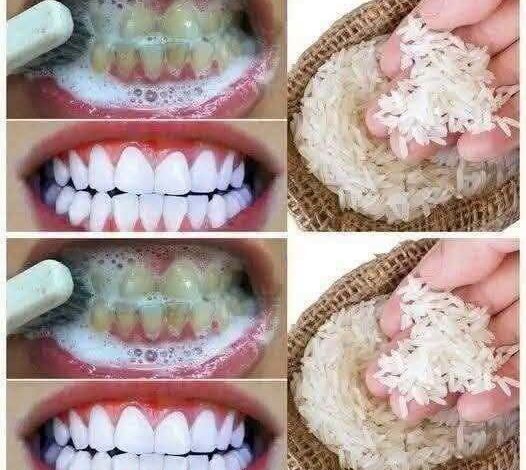
Home teeth-whitening tricks spread quickly because they promise a brighter smile using inexpensive ingredients already found in the kitchen. One method that has attracted attention involves rice or rice-based powder, with claims that rubbing the material on the teeth can remove discoloration in approximately one minute. The idea sounds simple and natural, but the difference between cleaning surface stains and safely whitening teeth is important.
Supporters of the rice method usually focus on texture. Finely ground rice can act as a mild abrasive, meaning it may help scrub away some material sitting on the surface of a tooth. This is similar to the basic reason brushing helps remove plaque and certain external stains. If teeth appear slightly brighter afterward, the change may come from polishing away residue rather than altering the natural color of the tooth.
That distinction matters because genuine whitening treatments work differently. Tooth color is influenced by enamel, the darker dentin beneath it, age, diet, smoking, medication, and genetics. A kitchen ingredient cannot change all of those factors in sixty seconds. At most, an abrasive mixture may temporarily improve the appearance of superficial staining caused by foods, drinks, or buildup.
The word “natural” can make a remedy sound automatically safe, but natural materials can still damage teeth when they are too coarse or used too aggressively. Enamel does not grow back after it has been worn away. Repeatedly scrubbing teeth with a rough homemade powder may create microscopic scratches, increase sensitivity, and make the surface more likely to collect stains later. Ironically, thinning enamel can eventually make teeth look more yellow because the dentin underneath becomes more visible.
There is also no universal recipe for a rice-based treatment. The particle size depends on how the rice is prepared. A very fine powder is different from uneven grains with sharp edges. Social-media demonstrations rarely measure abrasiveness, acidity, frequency, or pressure. They may show an immediate visual change under different lighting without explaining what repeated use could do over several weeks or months.
Another concern is that a whitening trick may hide a dental problem instead of addressing it. Dark areas, uneven color, brown spots, or sudden discoloration can sometimes be connected to decay, enamel damage, old fillings, or changes inside a tooth. Scrubbing the surface will not correct those causes. Gum bleeding, pain, persistent bad breath, or sensitivity also requires more than cosmetic treatment.
People who still want to try a rice-based mixture should understand that it is not a replacement for toothpaste or professional care. Teeth need fluoride because it helps strengthen enamel and protect against cavities. A homemade powder may provide abrasion but usually does not provide the cavity protection offered by an appropriately formulated fluoride toothpaste. It should never encourage someone to abandon normal brushing and flossing.
A safer approach to a brighter smile begins with consistent oral hygiene. Brushing gently twice a day with a soft-bristled toothbrush, cleaning between teeth, limiting tobacco, and rinsing after strongly colored drinks can reduce new staining. Coffee, tea, red wine, and certain foods can gradually darken the surface, so moderation and regular cleaning make a visible difference over time.
When a person wants more noticeable whitening, a dentist can first check that the teeth and gums are healthy. Professionally recommended whitening products use controlled ingredients and clear instructions. Even over-the-counter products should be used according to their labels because excessive whitening can cause sensitivity and gum irritation.
The one-minute rice trick is therefore better understood as a possible surface-polishing idea than a proven transformation. It may make teeth feel smoother or look temporarily cleaner, but dramatic claims should be treated cautiously. A short online video cannot show enamel wear, long-term sensitivity, or whether the lighting changed between the “before” and “after” images.
A bright smile is not worth damaging the protective layer that makes healthy teeth possible. Anyone considering a homemade whitening method should use gentle pressure, avoid frequent abrasive treatment, stop if sensitivity develops, and seek professional advice when discoloration is significant or uneven. Rice may belong to a harmless kitchen experiment, but lasting dental health depends on evidence-based care, patience, and protecting enamel rather than scrubbing it away.