What I Mistook for Trash Changed Everything
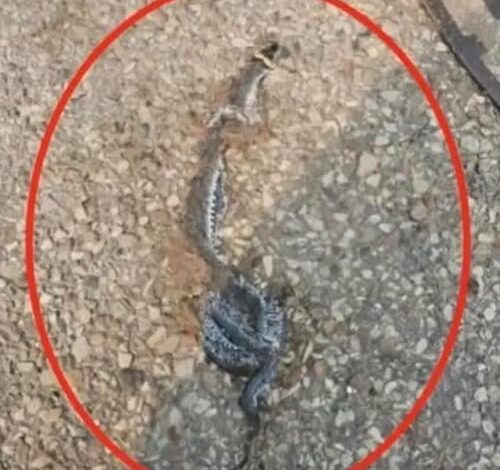
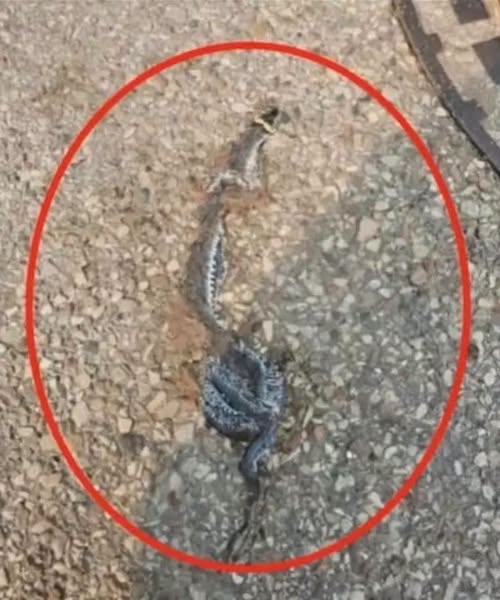
While walking along a familiar street, I noticed something lying near the edge of the pavement. From a distance, it looked like discarded fabric, a narrow hose, or another piece of rubbish that had fallen from a vehicle. People passed without slowing down. I nearly did the same, but the shape felt unusual enough to make me stop. When I moved closer, I realized it was a snake, motionless and badly injured on the concrete.
The discovery was unsettling, but not because the animal appeared threatening. It was small and likely harmless, the kind of grass snake that normally avoids people. Its presence on a busy sidewalk seemed out of place. Cars moved nearby, buildings covered most of the ground, and there was little vegetation where a wild animal could safely hide. What first appeared to be a strange isolated incident began to look like evidence of a much larger change.
As towns expand, fields, hedges, wetlands, and undeveloped edges are replaced by roads, parking areas, and housing. Animals do not understand property lines or city plans. They follow food, warmth, water, and whatever shelter remains. A snake pushed from its habitat may enter a garden, balcony, basement, or stairwell not because it wants contact with humans, but because the routes it once used have disappeared.
Hotter weather can increase these encounters. Reptiles rely on external temperatures to regulate their bodies, moving between sun and shade throughout the day. Extended heat and dry conditions may drive them toward irrigated yards, drains, ponds, or cool spaces around buildings. At the same time, roads become warm surfaces that attract them and then expose them to vehicles, pets, and frightened people.
Fear often decides what happens next. Many people assume every snake is venomous and try to kill it immediately. In many regions, common grass snakes are nonvenomous and prefer escape to confrontation. They also contribute to local ecosystems by eating pests. Identification should be left to knowledgeable local experts, and no unfamiliar snake should be handled. Keeping a safe distance, moving children and pets away, and contacting wildlife services is safer for everyone.
Homes can reduce unwanted encounters without harming wildlife. Gaps beneath doors and around pipes can be sealed. Clutter, debris piles, and overgrown vegetation close to buildings can be managed so animals have fewer places to hide. Pet food should not be left outside because it attracts rodents, which can in turn attract snakes. These practical steps address the conditions drawing wildlife toward a home rather than treating every animal as an enemy.
Communities can also preserve small areas of habitat. Native planting, connected green corridors, protected wetlands, and less destructive maintenance give wildlife routes that do not lead across busy pavement. These spaces benefit birds, pollinators, and people as well as reptiles. Development does not have to remove every trace of the natural landscape. Even modest choices can reduce the pressure forcing animals into dangerous contact with humans.
The snake on the sidewalk changed the way I saw the street. It was not simply an object to step around, and it was not an invasion by nature. It was a creature caught on a boundary humans had moved. The experience became a reminder that the line between the built world and the wild one is thinner than it appears. When animals arrive in our spaces, the answer is not always panic. Sometimes it is a message to pay attention, respond responsibly, and leave enough room for other forms of life to survive beside us.
If an animal appears injured, local wildlife rehabilitators or municipal animal services can advise what to do. Approaching without training may injure the animal further or put the rescuer at risk. Recording the location from a safe distance and keeping traffic or crowds away can be more useful than attempting a dramatic rescue. Responsible coexistence begins with knowing when to help and when to call someone equipped to do it safely.