Preventing Stroke At Any Age
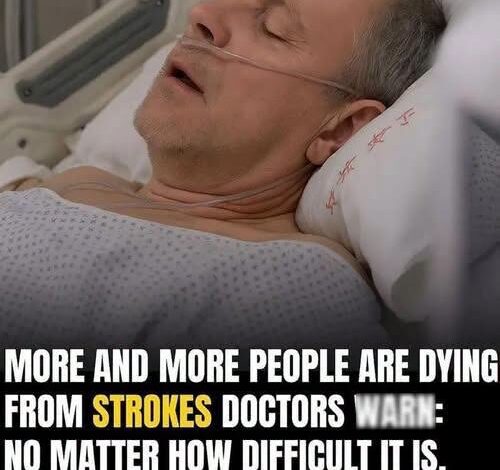
Stroke prevention matters at every stage of adulthood because the conditions that damage blood vessels often develop quietly. High blood pressure, diabetes, smoking, high cholesterol, irregular heart rhythms, and physical inactivity can increase risk long before a person notices symptoms. Age raises the likelihood of stroke, but it does not make prevention pointless. Many of the most important protective steps remain useful whether someone is forty, sixty, or eighty.
Daily routines can affect circulation, especially for older adults or people whose blood pressure changes quickly. Bathing is one situation that deserves attention. Very hot water causes blood vessels near the skin to widen, while stepping immediately into a cold room can make them narrow suddenly. This rapid shift may cause dizziness or a sharp change in blood pressure. Using comfortably warm water and keeping the bathroom and nearby rooms at a similar temperature reduces that abrupt stress.
The period immediately after a bath also matters. Standing up too quickly can cause lightheadedness, particularly in people taking blood-pressure medicine or those who are dehydrated. It is safer to move slowly, hold a stable surface when stepping out, and sit down briefly if the room seems to spin. Drying the body promptly and putting on warm clothing can help prevent the sudden cooling that makes blood vessels constrict.
Bathing directly after a large meal or strenuous exercise may be uncomfortable because the body is already adjusting blood flow for digestion or muscle recovery. Allowing time to settle first can make the experience safer. Alcohol should also be avoided before a hot bath, since it can worsen dehydration, affect judgment, and increase the risk of fainting or falling. A nonslip mat and a secure grab bar address another serious danger: an injury caused by losing balance.
These precautions can make bathing safer, but preventing stroke requires attention throughout the day. Blood pressure is one of the strongest modifiable risk factors. A person may feel completely normal even when readings remain dangerously high. Regular checks at home or during medical visits can reveal a problem early. When medication is prescribed, taking it consistently is essential; stopping because a reading looks better can allow pressure to rise again without warning.
Food choices also influence blood pressure, cholesterol, weight, and blood sugar. Meals centered on vegetables, fruit, beans, whole grains, fish, and other minimally processed foods generally support cardiovascular health. Excess sodium can contribute to high blood pressure, especially in people who are salt-sensitive. Sugary drinks and heavily processed foods can make weight and diabetes harder to control. Sustainable changes are more valuable than a severe diet that lasts only a few weeks.
Movement strengthens the heart and helps the body manage blood pressure and glucose. Regular walking, cycling, swimming, or another activity suited to a person’s ability can make a meaningful difference. Older adults and people with medical conditions should choose a safe level with professional guidance, but complete inactivity is rarely the best option. Even shorter periods of movement spread through the day can reduce the amount of time spent sitting.
Smoking damages blood vessels and makes clots more likely, while excessive alcohol can raise blood pressure and interfere with medication. Quitting tobacco is one of the most powerful steps a person can take to reduce stroke and heart-disease risk. Sleep also matters. Loud snoring, repeated pauses in breathing, and severe daytime fatigue may indicate sleep apnea, a condition associated with high blood pressure and stroke that should be assessed by a clinician.
Some stroke risks require medical treatment rather than lifestyle changes alone. Atrial fibrillation, an irregular heartbeat, can allow blood clots to form and travel to the brain. Depending on the person’s risk, a doctor may prescribe medication to prevent clots. Diabetes and high cholesterol also need proper monitoring. Routine appointments help connect these separate issues into one prevention plan instead of treating them only after complications appear.
Everyone should recognize the warning signs of stroke: sudden weakness or numbness on one side, facial drooping, difficulty speaking, confusion, loss of vision, severe dizziness, or an abrupt intense headache. These symptoms require emergency help immediately, even if they begin to improve. Quick treatment can limit brain damage. Safer bathing habits are useful, but the strongest protection comes from combining them with blood-pressure control, appropriate medical care, regular movement, balanced nutrition, and a rapid response when warning signs appear.