Michael Jackson’s Daughter Paris Breaks Her Silence On Her Hidden Struggles. What She Revealed Left Fans Speechless!
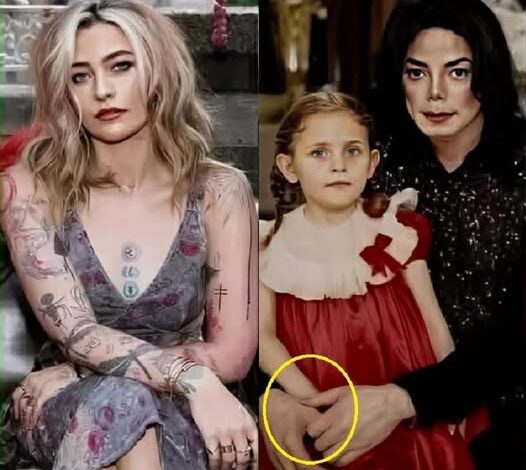
Paris Jackson grew up in circumstances few people could imagine. As the daughter of Michael Jackson, she was born into a family recognized around the world, yet much of her childhood was deliberately kept private. Her father often used masks and scarves to protect his children from photographers, hoping they could experience ordinary moments without being identified. That protection disappeared after his death in 2009, when Paris was only eleven years old and suddenly grieving under intense public attention.
The loss changed every part of her life. Paris later spoke openly about the emotional pain that followed, describing years marked by depression, self-harm, and attempts to escape feelings she did not know how to manage. She was still a child when strangers began forming opinions about her appearance, personality, and future. The pressure of carrying a famous surname made that scrutiny even harder, because many people expected her to represent her father’s legacy while she was still trying to understand who she was.
Her teenage years were especially difficult. Paris has acknowledged struggling with substance use and reaching moments when she no longer wanted to live. Rather than hiding those experiences behind a polished celebrity image, she eventually chose to discuss them publicly. Her honesty revealed that wealth and fame do not protect a person from trauma. In her case, public privilege existed alongside private grief, and recovery required far more than simply stepping away from the cameras.
Treatment and support helped Paris begin rebuilding her life. Recovery was not a single dramatic turning point, but a gradual process of learning how to live with painful memories without allowing them to control every decision. She began paying closer attention to her mental health, the people around her, and the environments that made her feel safe. She also learned that speaking honestly could remove some of the shame that often keeps people isolated during periods of depression or addiction.
Music became one of the most important ways she expressed what she had survived. Instead of attempting to reproduce her father’s sound, Paris developed an identity rooted in alternative rock, folk, and deeply personal songwriting. Her work often carries a sense of vulnerability, reflecting love, loneliness, grief, and the desire to be understood. Choosing her own musical direction allowed her to honor her connection to her father without turning her career into an imitation of his.
Paris also pursued modeling and acting, building a professional life that extended beyond the expectations attached to the Jackson name. Those choices brought new attention, but they also gave her control over how she presented herself. Her tattoos, fashion, and willingness to reject traditional ideas of celebrity beauty became part of a larger insistence on authenticity. She was no longer simply the protected child seen beside Michael Jackson; she was an adult deciding what parts of herself the world would be allowed to see.
That independence did not erase the emotional effects of losing her father. Paris has continued to speak about the bond they shared and the values he taught her. She has described him as a devoted parent who encouraged curiosity, education, and respect for different cultures. Remembering him is therefore not limited to public tributes or famous songs. It remains part of the private foundation of her life, shaping how she approaches creativity, compassion, and personal freedom.
Her openness about sexuality and mental health has also made her an important voice for people who feel pressured to hide parts of themselves. Paris identifies as queer and has resisted demands that she fit into a simple label for the comfort of others. That same refusal to be reduced to one category appears throughout her life. She can be Michael Jackson’s daughter while also being an artist in her own right, a survivor of serious mental-health struggles, and a person still growing beyond the mistakes and pain of her past.
Public attention continues to follow her, and speculation has never disappeared completely. Every appearance can produce new headlines, while ordinary changes are often treated as evidence of a crisis. Paris has responded by establishing boundaries and reminding people that visibility does not eliminate the right to privacy. Her willingness to discuss selected parts of her history should not be mistaken for permission to turn every personal moment into entertainment.
Paris Jackson’s journey is ultimately one of survival and self-definition. She did not choose the fame surrounding her childhood, and she could not prevent the devastating loss that reshaped it. What she could choose was how to move forward. By confronting addiction, depression, grief, and public judgment, she began creating a life that belonged to her. Her story does not suggest that healing is easy or complete. It shows that recovery can remain possible even when a person’s most painful years have unfolded before the entire world.