Son Who Donated Part of His Liver to His Father Unfortunately Ends Up Fighting for His Life
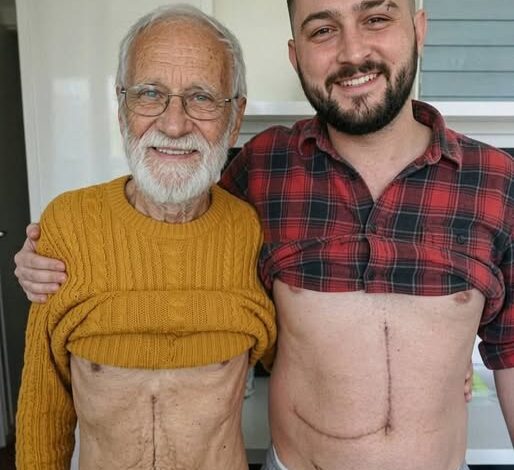
What began as an extraordinary act of love became a medical crisis for one family. A son agreed to donate part of his liver to save his seriously ill father. Living-donor liver transplantation is possible because the liver can regenerate, and many donors recover successfully. Still, it remains major surgery, carrying risks that cannot be erased by good intentions or careful planning.
Before the operation, the family focused on the father’s deteriorating health. His son volunteered after learning that a partial transplant might offer the best chance of survival. Testing confirmed compatibility, and doctors explained the procedure. The decision brought hope into months dominated by fear, but it also placed a healthy person on an operating table for someone else’s benefit.
The surgery initially appeared to deliver what everyone wanted. The father began showing signs of recovery as the transplanted portion of liver started functioning. Then the donor’s condition worsened. Instead of moving steadily toward discharge, the son remained surrounded by monitors, tubes, medication pumps, and specialists trying to understand and control the complications.
His father’s improvement became emotionally complicated. Each positive result in his own chart reminded him of the price his child had paid. Gratitude mixed with guilt as he watched the son who had saved him become the person in greatest danger. Family members moved between rooms, celebrating small improvements in one patient while fearing new setbacks in the other.
Living liver donation requires removing a substantial portion of the donor’s organ. Surgeons carefully evaluate candidates, yet possible complications include bleeding, infection, blood clots, bile leaks, reactions to anesthesia, and liver dysfunction. Serious outcomes are uncommon, but uncommon does not mean impossible. Families who hear mostly about successful transplants can be unprepared for the emotional reality when recovery does not follow the expected path.
Medical teams worked to stabilize the son while monitoring how his remaining liver responded. Recovery from a complication is rarely a simple upward line. A better morning can be followed by a difficult night, and laboratory numbers can change before relatives see a visible difference. Doctors must balance honesty about risk with the recognition that a fragile patient can still improve.
News of the family’s ordeal spread through the community. Neighbors organized meals, transportation, and assistance with everyday expenses. Former transplant patients offered encouragement, while strangers contributed to fundraising efforts. None could change the medical outcome, but practical support allowed relatives to remain near the hospital instead of worrying alone about work, food, and travel.
The case also highlighted the need for lifelong support for living donors. Their courage should not make them invisible once the recipient improves. They need careful follow-up, clear information about warning signs, emotional care, and help during the weeks or months when they cannot work normally. Donation is not a single heroic moment; it is a physical and psychological journey.
The son’s decision was rooted in love, not a guarantee. He accepted risk so his father might live, and the family now faced the painful reversal of praying for the donor’s survival. The father could not undo the choice or trade places, but he could honor it by remaining present, following medical advice, and refusing to let guilt replace gratitude.
Behind every successful transplant statistic are two human beings whose futures become connected. This family’s experience does not diminish the value of living donation, but it shows why the risks must be treated with respect. A life-saving gift deserves more than celebration. It deserves complete informed consent, expert care, long-term protection for the donor, and a community willing to stand beside both patients when courage leads into uncertainty.