Hayden Panettiere’s heartbreaking reason she gave up custody of daughter, 11
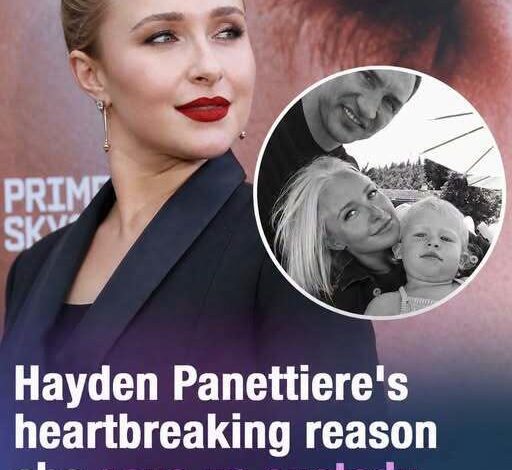
Hayden Panettiere is gone—and the most haunting part of her story isn’t fame, addiction, or Hollywood. It’s the little girl she left behind. An 11-year-old daughter she once made the painful decision to let go of, believing it was the only way to protect her. Her custody decision was born from love, despair, and a devastating truth she could not escape: sometimes a parent can love their child deeply while still believing they are not in a position to give that child the stable life they deserve. For Hayden, that realization became one of the most painful chapters of her life.
She grew up in front of cameras, pushed into audition rooms before she was old enough to understand what fame would demand from her. Hollywood praised her as a “force of nature,” but behind the red carpets and professional success, she was quietly struggling with anxiety, addiction, and self-doubt. She achieved recognition and Golden Globe nominations while carrying private battles that became increasingly difficult to hide. The industry rewarded her for being strong, energetic, and endlessly capable, even as she was sometimes struggling simply to keep herself together.
When Kaya was born, Hayden hoped motherhood might bring stability and a new sense of purpose. Instead, postpartum depression and substance abuse left her facing a frightening reality. She worried that the struggles consuming her life could eventually affect her daughter. Rather than pretending everything was fine, she confronted the possibility that staying in the role of primary caregiver while she was struggling could cause more harm than stepping away. It was not an easy decision, and it did not mean that her love for Kaya had disappeared. If anything, the pain of the decision came from how deeply she loved her child.
Allowing Wladimir Klitschko to take full custody was therefore not simply a story of a mother walking away. It was a decision Hayden described through the lens of protecting her daughter while she fought to regain control of her own life. She had to live with the heartbreak of missing ordinary moments that other parents might take for granted—the bedtime stories, school routines, birthdays, and small daily conversations that slowly become the fabric of childhood. She experienced the pain of being a mother from a distance, knowing that the person she loved most was growing up while she worked to rebuild herself.
There was also the cruelty of public judgment. From the outside, people could easily interpret custody arrangements without understanding the private circumstances behind them. But Hayden’s struggle was more complicated than a headline could capture. She was battling an illness, addiction, fear, and the overwhelming pressure of being a recognizable public figure while trying to become healthier. She could not simply turn those struggles off because she had become a mother. Instead, she had to make difficult choices while carrying the guilt and grief that came with them.
Through all of that pain, Hayden held onto one hope: that Kaya would have the opportunity to grow up with stability, privacy, and freedom from the burdens that had followed her mother. She wanted her daughter to have a childhood that was not dominated by cameras, headlines, addiction stories, or the expectations attached to having a famous parent. Giving her that possibility meant accepting a level of personal heartbreak that Hayden herself had to carry.
Her story is therefore not simply about what she lost. It is also about what she was willing to sacrifice for someone she loved. The empty spaces where a daughter’s laughter should have been, the missed moments, and the distance all carried a cost. But beneath that pain was the belief that protecting a child sometimes requires a parent to make a choice that feels unbearable.
Hayden’s life can be remembered as a complicated story of talent, struggle, motherhood, and resilience. Her experience offers a painful reminder that addiction and mental health struggles are not signs that someone does not love their family. Sometimes people fighting those battles make incredibly difficult decisions because they know their limitations and want their children to be safe. And sometimes the most loving choice a parent can make is also the one that breaks their own heart.