You Must Pick One Food to Eat Raw And What You Choose Says a Lot About You
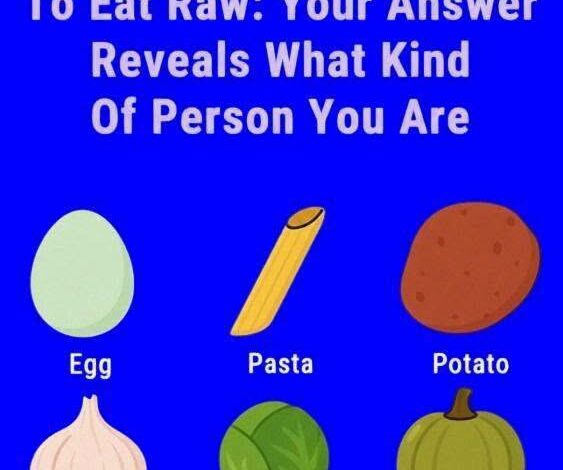
Imagine being told that you must choose one food and eat it exactly as it is, without boiling, baking, frying, or asking anyone to prepare it. The available choices are an egg, pasta, a potato, garlic, sprouts, and pumpkin. It is a deliberately strange question, yet the moment people begin comparing the options, their answers reveal how they think about safety, discomfort, practicality, and risk.
The first reaction is usually laughter. The second is hesitation. That short pause matters because none of the choices feels completely ideal. A person has to decide whether to minimize danger, avoid an unpleasant texture, accept a powerful flavor, or search for the option that creates the easiest escape from the challenge. The choice becomes less about hunger and more about the way someone solves an awkward problem.
Someone who reaches for sprouts may be focusing on practicality. Sprouts are commonly eaten raw and require little imagination to fit the rule. Choosing them suggests a preference for the safest and most familiar route. Rather than proving bravery, this person studies the wording, identifies the least troublesome answer, and moves forward efficiently. It is the choice of someone who would rather solve a problem than perform for an audience.
Garlic attracts a different kind of thinker. Raw garlic is edible, but its sharp flavor and lingering effect make it challenging. A person who selects it may be willing to endure an intense, short-term discomfort in exchange for avoiding what seems like a greater risk. The answer can reflect determination and a readiness to accept consequences, although it may also show a tendency to underestimate just how overwhelming a bold choice can become.
Pumpkin may appeal to people who think in terms of quantity and preparation. Raw pumpkin flesh can be eaten, but cutting, chewing, and finishing a large piece would not be especially convenient. Selecting it suggests patience and confidence in handling a difficult task step by step. It is not the most obvious loophole, but it can feel manageable to someone who values persistence more than speed.
Dry pasta presents a test of texture. It is hard, brittle, and unpleasant to chew in significant amounts. People who choose it may be concentrating on familiarity: pasta is an ordinary pantry food, so it feels less alarming than a raw egg or potato. The decision shows how familiarity can make an option appear safer even when the actual experience would be uncomfortable.
A raw potato is similarly familiar but creates its own problems. Its starchy taste and firm texture are unlikely to be enjoyable, and eating large quantities raw is not a wise everyday habit. Someone who picks the potato may be choosing endurance over uncertainty. The logic is simple: the food looks solid, recognizable, and controllable, even if getting through it would require stubbornness.
The egg is often the choice that divides people most sharply. Some see it as fast and easy to swallow, while others immediately think about foodborne illness and reject it. Choosing the egg can signal boldness, impatience, or a willingness to accept risk to finish the challenge quickly. Refusing it can reflect caution and attention to consequences. Neither response proves a permanent personality trait, but each exposes the concern that becomes most important under pressure.
These interpretations should not be mistaken for psychology tests or medical advice. A viral food question cannot diagnose character, and raw foods can carry real safety concerns. Eggs may contain harmful bacteria, while some raw vegetables or sprouts can also become contaminated. Dry pasta and hard produce can damage teeth or create choking risks. The thought experiment is entertaining precisely because it should remain imaginary rather than becoming a real eating contest.
What makes the question memorable is the conversation it creates. One person searches for the safest answer, another wants the fastest solution, and someone else chooses the option that sounds most daring. Friends can debate the same six foods and discover that they define risk in completely different ways. The answer does not determine anyone’s destiny, but the reasoning behind it can reveal the story people tell themselves about how they behave when every available option feels uncomfortable.