A Community in Mourning Honoring a Life Seeking Justice and Finding Hope
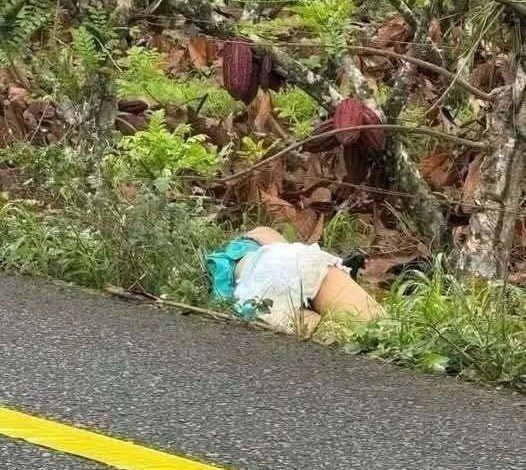
A neighborhood changed in the days after a young woman’s death. Flowers appeared outside her home, candles and photographs gathered at a street-corner memorial, and neighbors who had barely spoken began exchanging telephone numbers. One resident remembered seeing her leave for work each morning with coffee in hand, always ready with a smile and a wave. The loss made people recognize how deeply an ordinary daily presence can matter.
Her coworkers also came together outside the hospital where she had worked. They wore her favorite color and recalled the patience she showed to frightened people, the birthdays she remembered, and the times she stayed late so that a patient would not be alone. Friends met at their usual Sunday coffee shop and traded stories through tears: a failed cake that set off a smoke alarm, a road trip during which she refused to ask directions, and a late-night visit made simply because someone needed comfort.
Her family described her as their light. Their grief was accompanied by a demand for answers as investigators continued their work. Authorities said a suspect was in custody, but information remained limited, and the family asked the public to respect their privacy while the legal process moved forward. They wanted accountability, although everyone around them understood that no verdict could restore the person they loved.
The community answered the loss with action. Friends organized efforts for stronger neighborhood safety, while others raised money for people affected by violence. A local church opened its doors as a place where residents could cry, pray, speak honestly, and support one another. Children made drawings for the family, a choir offered songs of comfort, and people who had arrived as strangers left after embracing. The gathering was less about finding easy answers than about refusing to let a grieving family stand alone.
A scholarship fund was also proposed in the young woman’s name. She had hoped to become a nurse, and supporters wanted a future nursing student to carry part of that dream forward. At home, her mother planted sunflowers, her daughter’s favorite. The garden could not replace her, but it gave the family a living place in which memory, love, and sorrow could remain together.
Those wishing to help were encouraged to choose practical gestures. A contribution to funeral costs or the scholarship could ease a burden. Attending a vigil could show the family that their pain was seen. A meal, a card, or a shared memory could offer comfort when words were difficult. Volunteering with organizations that prevent violence or assist survivors could turn grief into support for someone else. None of these acts erase what happened, but each keeps isolation from deepening the wound.
The continuing investigation requires patience. Rumors do not help the family or the legal process, and details should come from those responsible for establishing facts. What is already clear is that the young woman was more than a headline. She was a daughter, friend, coworker, and neighbor with plans, habits, humor, and a capacity for kindness that shaped other lives. Remembering those dimensions matters because violence can reduce a person to the manner of her death. Her community is determined to remember the life that came before it.
There is no simple closure for a loss like this. There is only the long work of carrying it together and allowing love to find new forms. The memorial, scholarship, garden, meals, and quiet conversations all express the same promise: she will not be forgotten. Her death brought sorrow and a demand for justice, but her life continues to be reflected in the gentleness people now show one another and in the resolve to make their community safer.