Vatican Declines Trump’s ‘Board of Peace’ Invitation, Citing UN Role and Unanswered Questions
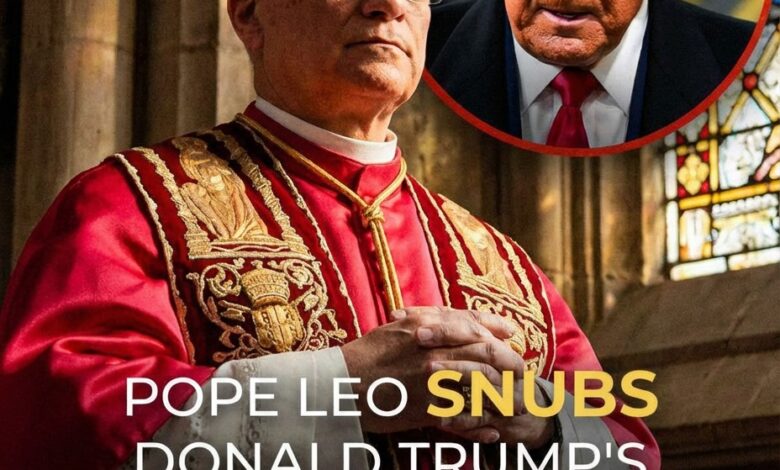
The Vatican has delivered a measured but firm response to President Donald Trump’s invitation to join his new “Board of Peace,” placing the Holy See squarely in the spotlight of a fast-moving diplomatic debate. While the proposal was framed by Washington as a major step toward rebuilding and stabilizing Gaza after the conflict, Vatican officials made clear that they are not signing on—at least not in the form presented—because of the Vatican’s unique position in international affairs.
Trump introduced the Board of Peace in January as part of a broader plan the White House says is designed to end the war and manage a transition focused on development and long-term stability. The administration described the board as a way to coordinate global support, oversee the plan’s implementation, and keep the process accountable, with Trump chairing the effort and an executive panel drawn from diplomacy, infrastructure, and economic development backgrounds.
Rome’s answer came during a diplomatic engagement tied to an anniversary event in the Italian capital, where Vatican Secretary of State Cardinal Pietro Parolin addressed questions from journalists. Parolin said the Holy See would not participate “because of its particular nature,” noting that the Vatican is not positioned like other states. He also signaled that parts of the proposal raised concerns, saying some elements were unclear and left Vatican officials “somewhat perplexed,” with “critical points” that would need further explanation before any reconsideration could be possible.
Parolin also emphasized a broader principle guiding the Vatican’s stance: he suggested that, at the international level, crisis management should primarily be handled through the United Nations. After the Vatican’s comments, the White House responded publicly, with Press Secretary Karoline Leavitt defending the initiative as a serious peace effort and expressing disappointment that the Vatican declined to join. For now, the exchange highlights a familiar tension in global diplomacy—between ambitious new frameworks proposed by major powers and the Vatican’s preference for a more neutral, UN-centered approach to international crises.