The 5yearold baby who
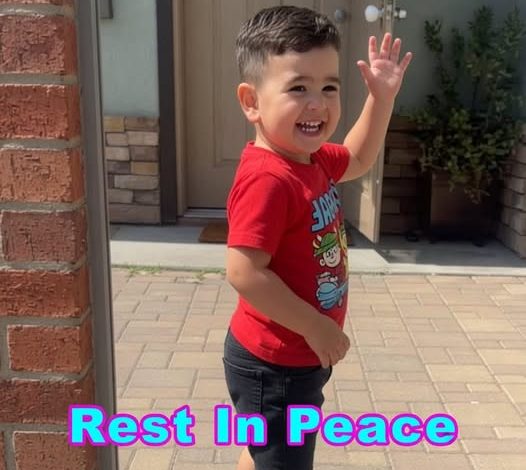
The sirens arrived after a five-year-old child had already died, leaving a family and an entire neighborhood struggling to understand how a normal day could end in tragedy. A familiar street became a crime scene, then a place of mourning. Flowers, candles, toys, and handwritten messages appeared as residents tried to express grief that felt too large for ordinary words.
Officials released information carefully while investigators worked to establish what happened. That restraint left space for rumors, and speculation quickly spread online. Some people demanded immediate answers; others urged the public to wait for verified facts and remember that a real family was living through an unimaginable loss. Every unconfirmed claim risked adding another injury to people already in pain.
The death of a young child affects far more than the household at its center. Classmates may not understand why a friend is suddenly absent. Teachers must explain loss in language children can bear. Parents in the neighborhood may feel newly anxious about streets, traffic, or other dangers they once considered routine. First responders and medical workers also carry memories of scenes that cannot simply be left behind at the end of a shift.
Community support is most useful when it is practical and respectful. Meals, childcare, transportation, and help with funeral expenses can reduce immediate pressures. A memorial can give neighbors a place to gather, but the family’s wishes should guide what is displayed and what information is shared. People who did not know the child personally can still show compassion without claiming details they cannot verify.
Adults supporting grieving children should make room for questions and answer them honestly, using simple language. Young children may repeat the same question many times as they try to understand permanence. They may become quiet, angry, clingy, or unusually fearful. Those reactions do not follow a fixed schedule. Familiar routines, patient reassurance, and access to a school counselor or grief professional can help them feel safe while they process the loss.
The public conversation also needs care. Graphic descriptions, accusations, and photographs shared without permission can follow a family for years. Before reposting anything, people should ask whether it is confirmed, whether it helps, and whether the child’s loved ones would want it circulated. Concern for justice and respect for privacy can exist at the same time. Responsible attention keeps the focus on facts rather than turning tragedy into entertainment.
If the investigation identifies preventable failures, the appropriate response should extend beyond anger. Residents can request clearer safety measures, better lighting, traffic controls, supervision, or other changes supported by the established facts. Local officials should explain what will be reviewed and publish the results. Lasting prevention comes from understanding exactly what went wrong and correcting it, not from assigning blame before evidence is available.
For the family, however, public debates will always be secondary to the absence of a five-year-old they loved. Their child was not a statistic or a headline. There were favorite foods, bedtime habits, laughter, questions, and plans for years that should have followed. The most meaningful tribute is to remember that full life, protect the dignity of those left behind, and allow investigators to pursue the truth. A community cannot undo the loss, but it can surround the family with steady support and commit itself to protecting other children.
Anniversaries and familiar places may reopen grief long after public attention has moved elsewhere. Support should therefore continue beyond the first week. Checking in without demanding a response, remembering the child’s name, and making counseling accessible can matter months later. Grief does not follow the news cycle, and families should never be pressured to appear recovered for the comfort of others. The community’s promise should be steady rather than temporary.