Father takes his s0ns life after finding out he is ga See more
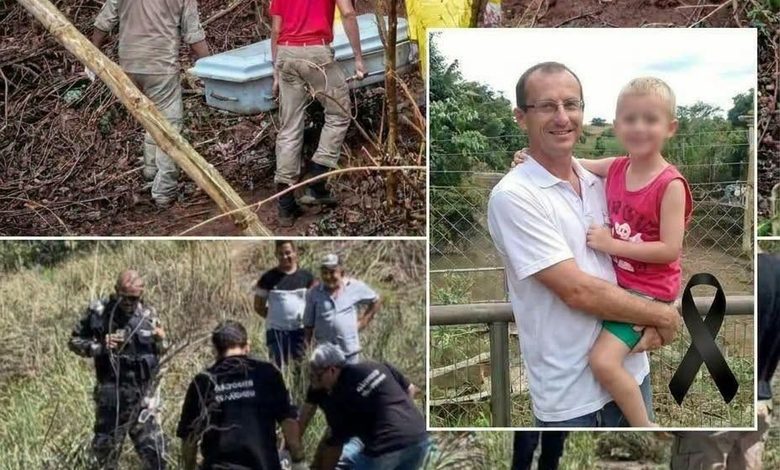
A conversation at a kitchen table can become one of the most vulnerable moments in a young person’s life. When a child tells a parent the truth about being gay, the response can shape safety, trust, and mental health for years. The account behind this headline asks a painful question: is family love unconditional, or does it disappear when a child does not fit expectations?
The headline describes the most devastating possible consequence of rejection, while the accompanying source text emphasizes the contrast created when a parent listens rather than judges. Because the circulated material provides few verified details, readers should not invent names, locations, or motives. The responsible focus is the principle the story raises: no child should face violence, abandonment, or humiliation because of sexual orientation.
Coming out is rarely a casual announcement. A young person may have spent months or years considering the risks, watching how relatives speak about LGBTQ people, and wondering whether home will remain safe. Telling a parent can therefore be an act of deep trust. Even a parent who feels surprised or uncertain can protect that trust by remaining calm, affirming the child’s safety, and listening before reacting.
Acceptance does not require a family to understand every issue immediately. It begins with refusing cruelty. A parent can say, “I love you,” “You are safe here,” and “Thank you for telling me.” Questions can be asked respectfully later. Threats, insults, forced isolation, or attempts to shame a child can cause lasting harm. When conflict is intense, a trained family counselor who respects the young person’s identity may help relatives communicate without making the child responsible for everyone’s emotions.
Religious or cultural beliefs often shape family reactions, but they do not justify violence. Many families find ways to hold faith, tradition, and love together without endangering a child. Community leaders can lower risk by speaking clearly against abuse and by directing families toward supportive resources. Silence may leave frightened young people believing that rejection is inevitable when it is not.
Schools and trusted adults also have a role. Teachers, counselors, coaches, and relatives may be the first people to notice withdrawal, sudden fear, homelessness, or threats at home. They should follow safeguarding procedures and connect the young person with qualified help. Confidentiality matters, but it should not become an excuse to ignore an immediate danger. If someone may be harmed, emergency and child-protection services should be contacted according to local law.
Online discussions of tragedies involving LGBTQ people can become cruel in a second way. Commenters may debate the victim’s identity, repeat slurs, or spread unconfirmed details. That behavior turns a person’s suffering into an argument. Sharing verified resources, correcting dehumanizing language, and centering safety are more constructive than speculating about private conversations no outsider witnessed.
Parents who react poorly at first can still choose a different path, provided the child is safe. An apology should name the harm, avoid excuses, and be followed by changed behavior. Trust may take time to rebuild. Support groups and evidence-based information can help parents work through fear without placing that burden on the child. The goal is not a performance of perfect understanding; it is a home in which love is shown through protection and respect.
The lesson of the story is urgent because rejection can have real consequences, while acceptance can be lifesaving. A child’s honesty should never trigger punishment or violence. It should be met with the assurance every young person needs to hear: you belong here, your life has value, and nothing about this truth makes you less worthy of love.
Young people in crisis should be told explicitly that help is available. A trusted adult, counselor, local crisis service, or emergency provider can help create a safety plan and identify somewhere secure to stay. Friends should not carry that responsibility alone. Taking threats seriously is not an overreaction; it is a practical act of care when the cost of waiting may be irreversible.