Dont get fooled by supermarkets Theyre selling you meat from See more
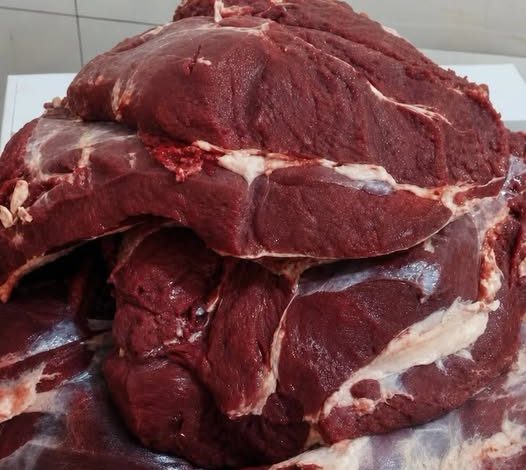
A bright red steak in a supermarket case can look fresh, appealing, and safe, but color alone does not prove any of those things. Meat changes color through chemistry, packaging, and exposure to oxygen. The cut that appears most vivid under display lights is not automatically the newest product or the best value. Shoppers need to look beyond the shine before deciding what belongs in their basket.
Vacuum-sealed beef offers a clear example. Without much oxygen inside the package, fresh beef can appear deep purple rather than cherry red. Once the meat is exposed to oxygen, its pigments change and the surface becomes redder. That familiar color may look more reassuring, but it is a visual reaction, not a reliable freshness certificate.
Supermarket presentation can strengthen the illusion. Bright lighting, plastic wrapping, the position of a tray, and the style of a label all influence how a cut looks. These details are designed to make products attractive and easy to compare. They do not necessarily indicate how long the meat has been displayed, whether the seal remains sound, or whether it has been held at the correct temperature.
The label deserves more attention than marketing words on the front. Shoppers should read the full information, including the use-by or sell-by date and any storage directions. Terms meant to sound premium can be persuasive, but they should not replace practical checks. The package itself can reveal problems that color cannot.
A broken seal, swelling, leaks, or an unusual amount of liquid are reasons to choose another package. The tray should feel properly cold, and meat should not be left sitting in a warm cart longer than necessary. Chilled products are best selected near the end of a shopping trip and taken home promptly so the cold chain is interrupted as little as possible.
Once the package is opened at home, smell and texture provide additional information. An unusual odor or an unexpectedly sticky or slimy surface can signal that the product should not be used. Even then, appearance and smell cannot reveal every harmful microorganism. Food may contain bacteria without obvious visual warning signs.
That is why careful handling and cooking matter. Raw meat should be kept separate from foods that will be eaten without further cooking. Hands, utensils, and surfaces that touch it need to be cleaned. A food thermometer provides a more dependable indication of safe cooking than judging the center by color alone, because bacteria cannot be seen with the naked eye.
The smartest approach combines all available clues. Color can be observed, but it should be considered alongside the date, package condition, temperature, smell, texture, storage, and preparation. A purple vacuum-packed cut can be perfectly fresh, while a glowing red tray can owe much of its appeal to oxygen and lighting. Supermarket displays are built to catch the eye; safe judgment depends on the quieter details that protect both health and money.
Storage continues to matter after the purchase. Meat should be refrigerated promptly and kept in a way that prevents raw juices from reaching other foods. If it will not be used within the recommended period, freezing it can help preserve quality. Thawing should be handled safely rather than leaving the package for long periods at room temperature.
No single test answers every question. A current date does not excuse a leaking seal, and a sound package does not mean careless preparation is safe. Similarly, meat that darkens slightly is not automatically spoiled, because normal pigment changes continue after purchase. The goal is not to fear every variation in color but to stop treating red as proof.
Marketing works quickly because shoppers often make decisions in seconds. Slowing down long enough to inspect the entire package makes that decision more informed. The most attractive tray may still be a good choice, but it should earn that choice through its label, seal, temperature, and condition—not merely through a color carefully displayed beneath supermarket lights.